

 English































































































































































































































































































































































































































Why Pediatric Dentists Recheck A Dental Sealant That Looks Worn Or Missing

You look in your child’s mouth, or maybe the dentist points it out at a checkup, and a sealant that used to be easy to spot now looks thin, chipped, or gone. That can feel frustrating. If sealants are meant to protect teeth, why would one need to be checked again so soon? If you’re unsure whether the tooth needs prompt attention, an emergency pediatric dentist in Crenshaw can help evaluate it.
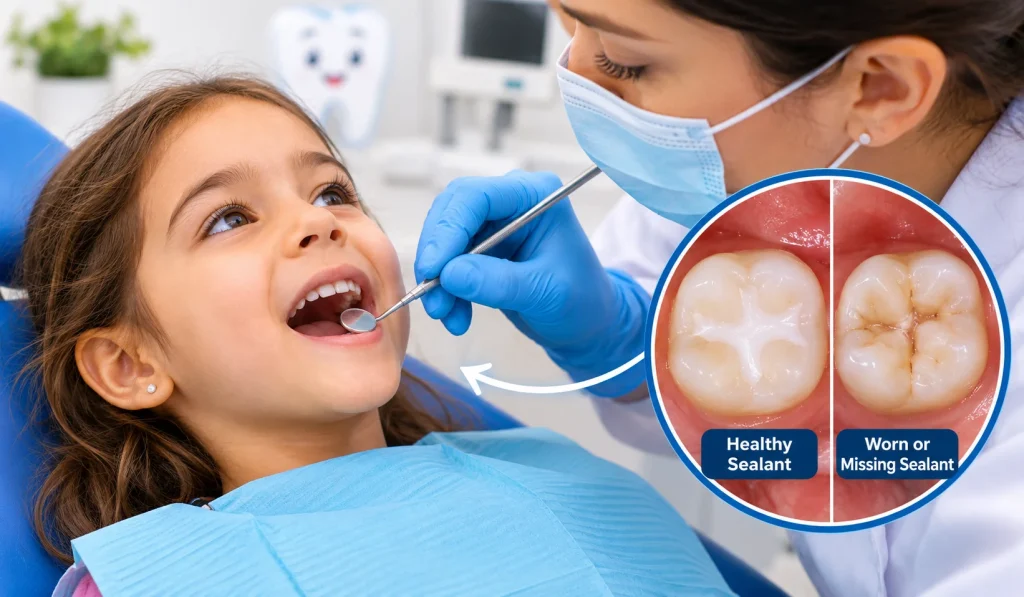
The short answer is simple. A sealant can wear down, break, or partly come off over time, especially on the chewing surfaces of back teeth where kids do most of their hard biting. When a worn dental sealant is not covering the grooves well, food and bacteria can settle back into those tiny pits. A pediatric dentist rechecks it because the goal is not just placing the sealant once. The goal is keeping that tooth protected as your child grows.
That follow up matters because sealants work best when they stay intact. The Centers for Disease Control and Prevention explains that sealants can prevent many cavities in molars by sealing out germs and food on those hard to clean surfaces. You can read more from the CDC’s overview of dental sealants.
Dental sealants protect deep grooves, but they do not last forever without checks
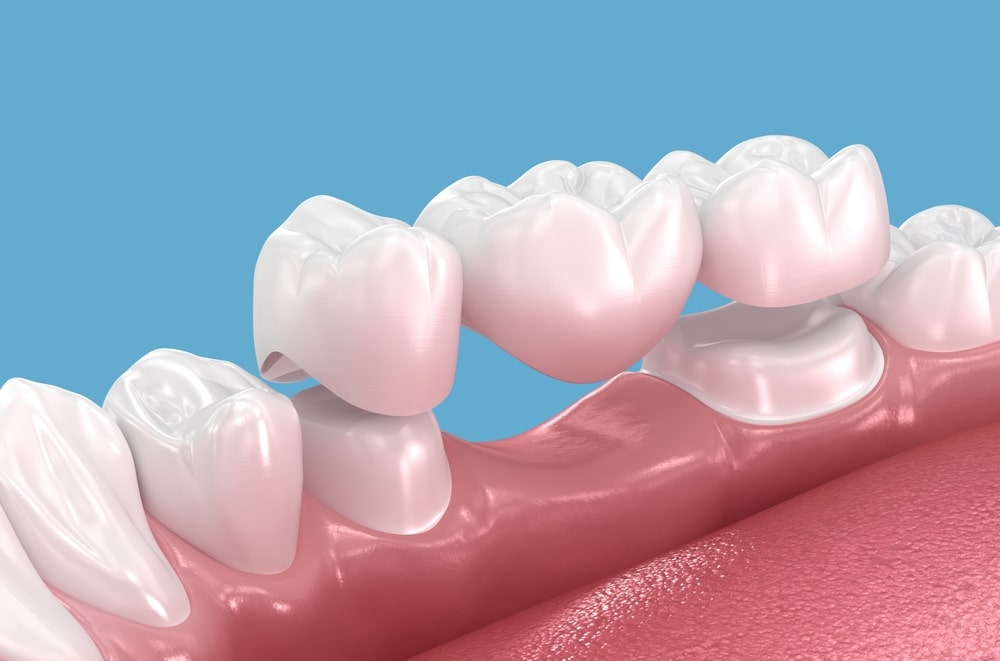
Back teeth are built for grinding, and their natural grooves are perfect places for plaque to hide. Even kids who brush well can miss those narrow spots. Sealants add a thin protective layer over the chewing surface, which lowers the chance that decay starts there.
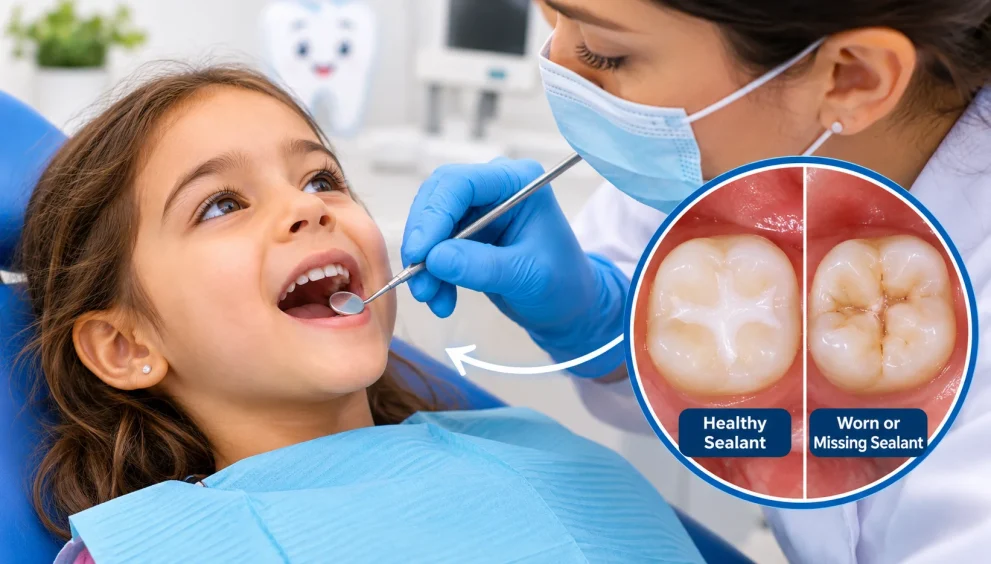
What throws parents off is that a sealant can still look “mostly there” and not be doing its full job. A small gap at the edge, a worn center, or a partial loss can leave part of the tooth exposed. Your child may not feel anything at all. There is often no pain, no visible cavity, and no sign at home that anything changed.
That is exactly why sealant replacement in children comes up during routine visits. Rechecking is preventive care. It is easier to repair or replace a weak sealant than to wait until a cavity forms in a deep groove that is hard to clean and hard to see.
The National Institute of Dental and Craniofacial Research also notes that sealants need to be checked regularly for chipping or wearing. Their page on dental sealants from NIDCR explains why ongoing follow up is part of the process, not a sign that something went wrong.
A sealant that looks missing may be partly lost, and that changes cavity risk
You might hear that a sealant “looks worn” or “may need touch up,” and wonder if that means the tooth is unprotected now. Sometimes yes, sometimes partly. It depends on how much material remains and whether the grooves are still sealed.
If the sealant is intact, the tooth keeps that barrier. If the sealant has pulled away from the enamel or thinned out in the high pressure areas, bacteria get an opening. That does not guarantee a cavity, but it raises the risk. Kids who snack often, sip sweet drinks, grind their teeth, or are still learning good brushing habits may lose that protection faster.
This is where a pediatric dentist has a real advantage. Children’s mouths change quickly. New molars come in, bite patterns shift, and habits like chewing ice or clenching can affect sealant wear. A provider who focuses on kids can spot when the material is still sound, when it needs repair, and when a full replacement makes more sense.
Pediatric dentist follow ups can prevent a small issue from turning into a filling
Parents often hope that if a sealant wears off, the worst case is simply putting on another one later. Sometimes that is true. Sometimes the worn area has already allowed early decay to start. If that happens, the next step may not be another sealant. It may be a filling instead.
That difference matters for time, cost, and stress. A quick recheck during a regular exam can catch a failing sealant before the tooth needs more treatment. The Office of Disease Prevention and Health Promotion recommends keeping up with regular dental visits for your child, and this is one reason why. Small changes are easier to manage when they are found early.
There is also a trust piece here. If your child already gets nervous at dental visits, a short sealant repair is usually much easier than treating a cavity. That can shape how they feel about dental care for years.
What a worn or missing sealant means in real life
| Situation | What it may mean | Typical next step |
|---|---|---|
| Sealant looks intact and smooth | Protection is likely still in place | Monitor at routine dental checkups |
| Sealant looks thin or chipped | Part of the groove may be exposed | Pediatric dentist checks coverage and may repair it |
| Sealant seems missing from part of the tooth | Cavity risk goes up in exposed pits and grooves | Reapply sealant if the tooth is healthy |
| Sealant is gone and early decay is present | The tooth may no longer be a candidate for simple resealing | Treatment plan may shift to a filling |
Three steps you can take right away
- Schedule the recheck instead of waiting for symptoms. A tooth with a weak sealant may feel completely normal. No pain does not mean no problem. If you were told a sealant looks worn or missing, have it evaluated.
- Ask exactly what the dentist sees. You want to know whether the sealant is partly worn, fully gone, or still protecting most of the tooth. Ask if the tooth can be resealed now or if there are any signs of early decay.
- Keep daily habits working in your favor. Help your child brush with fluoride toothpaste, clean thoroughly around molars, and limit frequent sugary snacks and drinks. Sealants add protection, but they do not replace home care or regular visits to a pediatric dentist.
Rechecking a dental sealant is part of protecting your child’s teeth
If a sealant looks worn or missing, you are not overreacting by following up. You are paying attention to the stage before a cavity starts, which is where prevention does its best work. Why pediatric dentists recheck a dental sealant that looks worn or missing comes down to one thing. They are making sure the tooth is still protected, not just assuming it is.
When you stay on top of these small changes, you give your child a better chance of avoiding bigger treatment later. If your child has a sealant that seems worn, missing, or uneven, schedule a visit with a pediatric dentist and have it checked.