

 English













































































































































































































































































































































































































![swimsuit edition [abbb] - 1.20 21 swimsuit edition - chapter](https://mymagazine.blog/wp-content/uploads/2025/09/swimsuit-edition-abbb-1.20-21-swimsuit-edition-chapter1-1024x574.webp)





How Social Pressure and Perfectionism Quietly Wear Down Women’s Mental Health

There is a version of womanhood that gets praised almost everywhere. She is calm under pressure. She looks put together. She works hard, cares for others, answers messages, remembers birthdays, keeps moving, and somehow still smiles through it all. People call her strong. Reliable. Impressive.
But here’s the thing. That image comes with a cost.
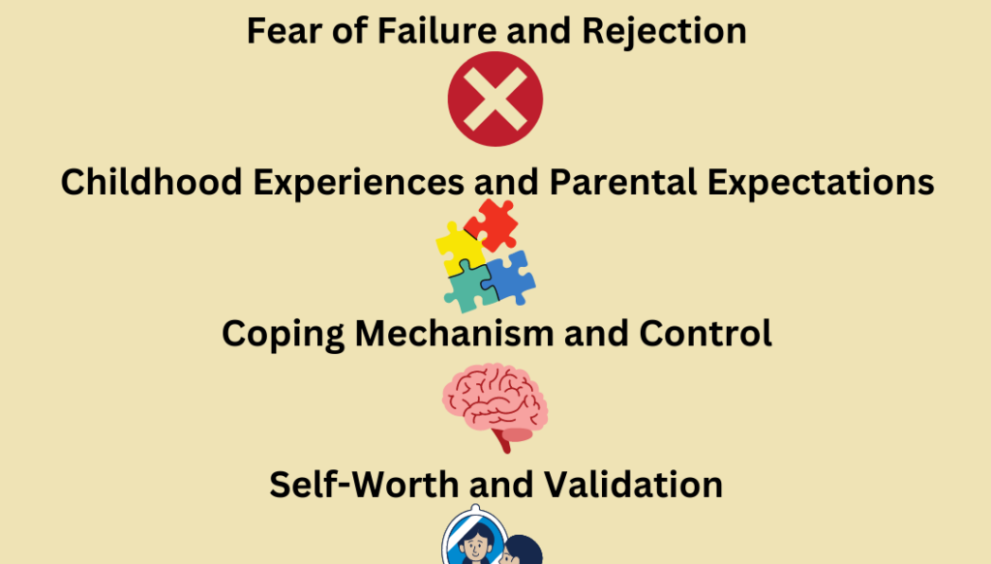
A lot of women grow up learning that love, approval, and even basic respect are tied to performance. Be smart, but not intimidating. Be attractive, but effortless. Be ambitious, but warm. Be available, but never needy. It sounds impossible because it is. And yet many women still try to meet all of it at once.
That pressure does not always look dramatic. Sometimes it looks like overthinking a text. Sometimes it looks like saying yes when your body is begging for rest. Sometimes it looks like a woman who seems high-functioning from the outside but feels like she is one missed deadline away from falling apart.
Perfectionism often gets framed as a good habit with a few annoying side effects. In real life, it can be much heavier than that. It can feed anxiety, shame, irritability, burnout, and the constant feeling that no matter how much you do, it is still not enough.
The Pressure Starts Early, And It Rarely Lets Up
Girls often learn very young that being liked has rules. Be polite. Be pretty. Be helpful. Don’t be too loud. Don’t be too emotional. Don’t make other people uncomfortable. By the time many women reach adulthood, those messages are so baked in that they no longer sound like outside pressure. They sound like their own inner voice.
When Achievement Becomes Identity
This is where perfectionism gets sneaky. It does not always show up as vanity or ego. Sometimes it shows up as discipline. As good grades. As the dependable one at work. As the friend who always checks in first.
And yes, achievement can feel good. It can build confidence. But when your worth gets tied to output, every mistake starts to feel personal. A rough week at work does not just feel stressful. It feels like proof that you are failing. A messy kitchen feels like a character flaw. A bad mood feels like something you should hide.
That kind of thinking is exhausting. It turns normal human limits into evidence against you.
The Double Shift In Modern Life
Many women are not carrying one role. They are carrying five. Employee. Mother. Daughter. Partner. Friend. Caregiver. Household manager. Emotional support system. Even the so-called small tasks pile up. The dentist appointment, the school form, the family group chat, the groceries, the awkward work Slack reply you still have not sent.
This is part of why women’s distress can be easy to miss. They are still functioning. They are still showing up. They are still getting things done. But functioning is not the same as feeling okay.
Perfectionism Looks Polished, But It Feels Brutal
From the outside, perfectionism can look almost admirable. Organized calendar. Clean home. Strong work ethic. Good manners. But on the inside, it often feels like living with a manager who never clocks out and never says good job.
The Inner Critic Never Runs Out Of Notes
Perfectionistic thinking tends to be absolute. You either handled it perfectly or you ruined it. You either look your best or you look terrible. You either stayed productive all day or wasted the whole day. There is very little room for nuance.
That black-and-white mindset can create constant tension in the nervous system. You stay alert, tight, on edge. Even rest feels uneasy because part of you thinks you should be doing something else.
Over time, this can fuel anxiety and low mood. It can also make women more likely to hide what they are going through. Why admit you are struggling when you have spent years trying to appear capable?
When Coping Starts To Turn Risky
Not everyone responds to that pressure the same way. Some withdraw. Some overwork. Some numb out with shopping, food, alcohol, or prescription medication. Others feel pulled toward more serious forms of escape, especially when stress, shame, and emotional pain start stacking on top of each other.
In some cases, women who have been pushing through for years do not seek help until things have gotten much worse. That is one reason support systems matter so much, including access to quality mental health and recovery care. For women facing more severe challenges tied to stress, trauma, or substance use, a trusted Rehabilitation Center in Illinois can be part of getting stable again and breaking patterns that have been hidden for too long.
Social Media Did Not Create The Problem, But It Made It Louder
Social pressure existed long before apps and algorithms. Still, social media turned comparison into a daily habit. Now you do not just compare yourself to people in your neighborhood or office. You compare yourself to hundreds of curated lives before lunch.
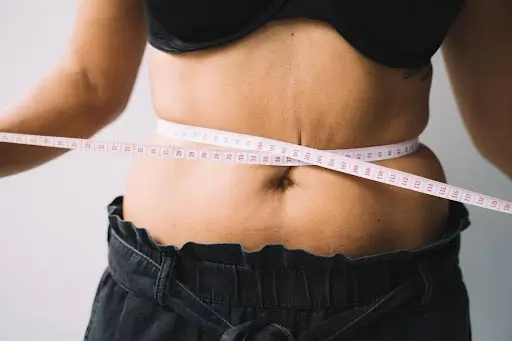
A woman can know, logically, that photos are filtered and routines are staged, and still feel behind. That is how powerful repetition is. When every feed serves up polished skin, perfect homes, toned bodies, career wins, and cheerful motherhood content, ordinary life starts to feel like failure.
The Performance Never Really Ends
There is also the pressure to package your own life well. Be relatable, but not messy. Be honest, but not too honest. Be aspirational, but still approachable. It is branding mixed with identity, and it leaves very little room for being a whole person.
Honestly, that constant self-monitoring can wear you down. You start editing yourself before anyone else gets the chance. You become your own PR team. And when you are always managing perception, it gets harder to notice what you actually feel.
Why Women’s Mental Health Problems Often Hide In Plain Sight
A woman does not need to be crying every day for her mental health to be suffering. She might be productive, funny, and responsive. She might look fine in every visible way. But underneath, she may be running on panic, resentment, sleep loss, or chronic self-criticism.
High Functioning Does Not Mean Healthy
This is one of the biggest misunderstandings around women’s mental health. People often take competence as proof of wellness. If she is managing work, parenting, errands, and social obligations, she must be okay. Right?
Not really.
Many women get very good at performing wellness. They know how to keep the meeting moving, answer “I’m fine,” and push through one more week. But bodies keep score. So do minds. Eventually, the stress comes out somewhere, through insomnia, irritability, brain fog, panic, physical fatigue, hopelessness, or emotional numbness.
Shame Delays Real Support
Shame is a major reason women wait too long to ask for help. They do not want to disappoint people. They do not want to look unstable. They do not want to admit that the version of life they worked so hard to maintain is hurting them.
That delay can make recovery harder. Whether someone is dealing with anxiety, depression, trauma, or substance use concerns, early support matters. For women whose mental health strain has started crossing into addiction or dangerous coping patterns, an Addiction Treatment Center may offer the structure and care needed to start healing without pretending everything is still under control.
What Healing Actually Looks Like
Healing does not mean becoming careless or giving up on goals. It means stepping out of the trap where your value depends on flawless performance. It means learning that rest is not laziness, and that asking for help is not weakness.
For some women, that starts with very practical changes. Better boundaries. Fewer yeses. Less comparison. More sleep. Real conversations with trusted people. Therapy. Medical support. Time away from the constant pressure to perform.
Letting “Good Enough” Be Real
This sounds simple, but for perfectionistic people, it can feel almost radical. Good enough. Not perfect. Not impressive. Not optimized. Just honest, healthy, human.
That shift matters because perfectionism rarely creates peace. It creates control, or the illusion of it. Peace comes from something else. It comes from self-respect that is not tied to achievement. It comes from relationships where you do not have to earn care by being useful all the time. It comes from the ability to say, “I’m not okay,” before things hit a crisis point.
Women are not struggling because they are weak. Many are struggling because they have been strong in ways that were never sustainable.
And that is worth saying clearly. Social pressure and perfectionism are not personality quirks. They can shape mental health in deep, lasting ways. They can teach women to ignore pain, overwork through distress, and confuse self-worth with performance.
Once that pattern is named, though, something changes. You can question it. You can interrupt it. You can start building a life where being human is not treated like failure.