

 English














































































































































































































































































































































































![swimsuit edition [abbb] - 1.20 21 swimsuit edition - chapter](https://mymagazine.blog/wp-content/uploads/2025/09/swimsuit-edition-abbb-1.20-21-swimsuit-edition-chapter1-1024x574.webp)





Simple Adjustments That Support Long-Term Durability for Your Home


Ever look around your house and wonder when all the little problems turned into big ones? One cracked tile leads to water damage. A loose gutter causes soil erosion. What starts as minor neglect quietly becomes expensive renovation. Homeownership often feels like a game of maintenance roulette. In this blog, we will share practical adjustments that extend your home’s life, reduce costly surprises, and help it age better than most of us do.
Durability Comes From Routine, Not Reaction
Most people take care of their homes the way they take care of their health—wait until something breaks, then panic. But long-term durability isn’t about dramatic upgrades or expensive overhauls. It’s about paying attention when things still seem fine. The best fixes are the ones that never needed to happen in the first place.
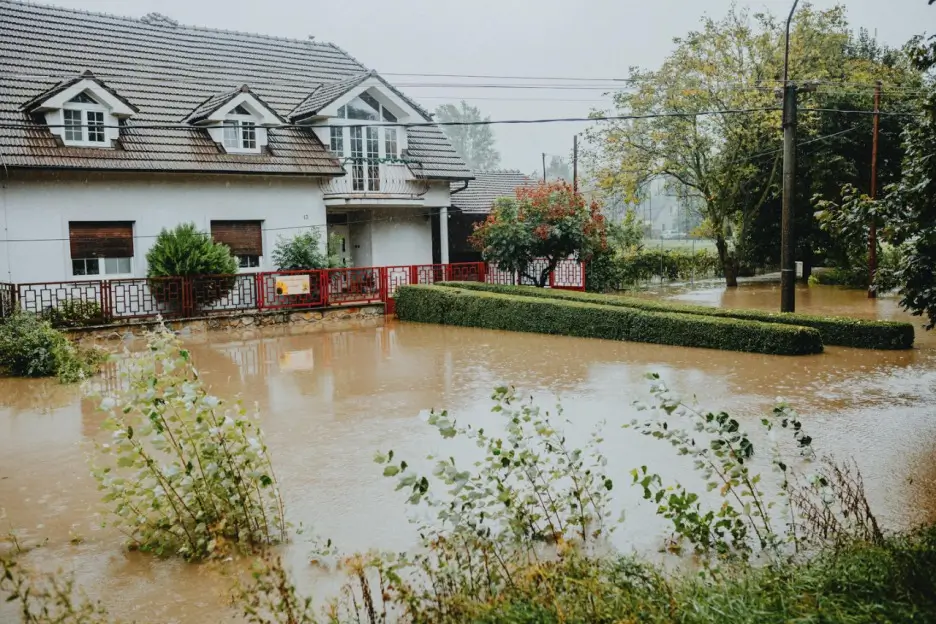
Now, with inflation hitting building materials and labor costs alike, repairs are pricier than ever. Replacing windows, patching drywall, and dealing with mold remediation aren’t just annoying—they’re budget killers. Meanwhile, extreme weather has made homes more vulnerable. Heat waves warp siding. Flash floods overwhelm basements. Wind shear pulls shingles. As climate unpredictability becomes the new normal, the homes that last aren’t the ones built like fortresses. They’re the ones maintained with intention.
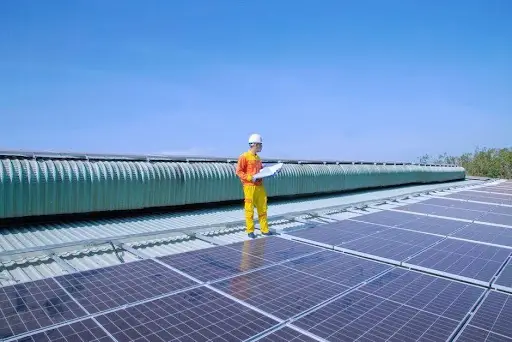
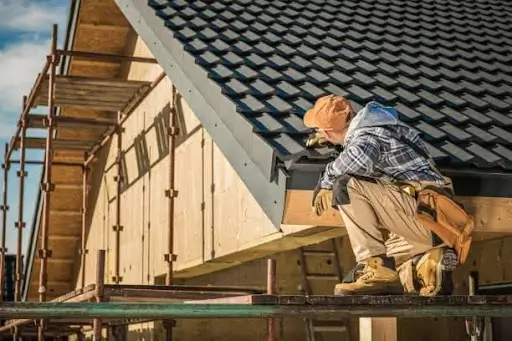
And few areas of the home are as quietly critical as the roof. Water intrusion isn’t just inconvenient. It’s invasive. It rots support beams, breeds mold, and ruins insulation long before you see the first ceiling stain. That’s why regular roof inspection services are worth prioritizing. Professional evaluations catch lifted shingles, clogged flashing, or minor wear before they invite real damage. These inspections aren’t just a checkbox for selling the house. They’re a form of insurance that catches threats early, when the fix is still manageable. A small adjustment now—a few replaced shingles, resealing vulnerable areas—can save thousands later. In a time when materials are expensive and delays are long, keeping your roof ahead of the weather is one of the smartest moves you can make.
Moisture Is the Enemy You Ignore Until It Wins
Moisture does more damage than most dramatic disasters because it works slowly and hides well. By the time you notice a musty smell, it’s already seeped into drywall, flooring, or even your foundation. The long-term cost of ignoring moisture is structural damage wrapped in health risk.
First step: manage grading and drainage. The ground around your home should slope away, not toward, the foundation. This helps divert rainwater instead of collecting it along basement walls. It’s not glamorous, but regrading a few feet of soil beats dealing with a cracked foundation or persistent basement flooding.
Gutters need cleaning more than once a year. Blocked downspouts can turn a gentle rain into an indoor waterfall. And the water doesn’t always pour through the ceiling—it can soak into the attic, nest inside walls, or travel down to the foundation in ways that aren’t obvious until the repairs become serious.
Check crawlspaces and under-deck areas for signs of moisture or poor ventilation. Install vapor barriers where needed. Ventilate properly. Keep these areas from becoming hidden breeding grounds for rot and decay. Most of the home is out of sight. That’s exactly why it matters most.
Energy Efficiency Isn’t Just About Savings
While energy costs keep climbing, people treat efficiency like a bonus instead of a priority. But improving efficiency doesn’t just lower bills—it reduces wear on your systems and keeps the structure healthier over time.
Start with insulation. Older homes often have gaps in attics, crawlspaces, and even walls. Proper insulation does more than trap heat. It stabilizes internal temperatures, reducing strain on HVAC systems and minimizing condensation. That prevents expansion, cracking, and the slow damage caused by climate swings inside the home.
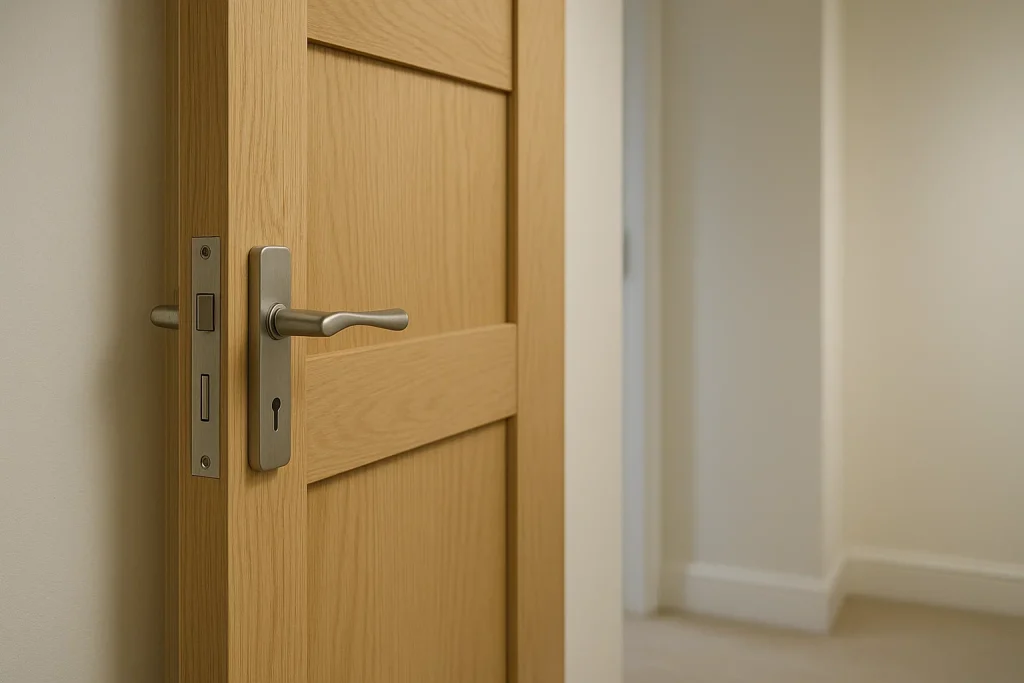
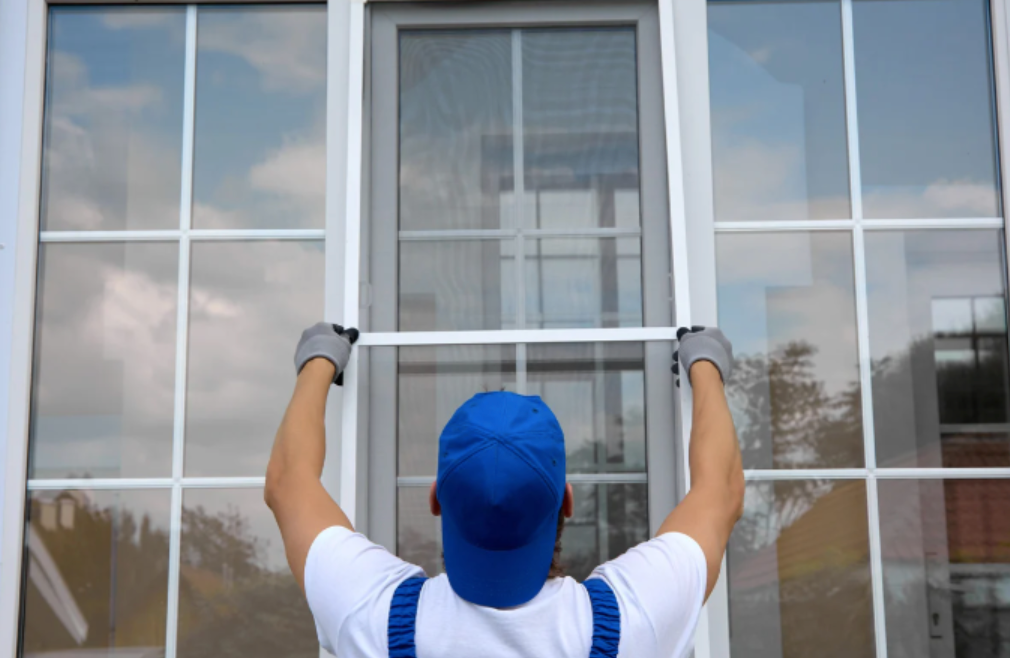
Windows and doors should close tightly and seal completely. Drafts aren’t just annoying; they’re symptoms of structural shift or aging materials. Replace worn weatherstripping. Reseal edges. And if your windows rattle in the wind or fog up between panes, it may be time to upgrade before leaks appear.
An overworked furnace or AC doesn’t just cost more—it dies faster. Dirty filters, clogged vents, and poor air circulation all shorten system lifespan. Replace filters every few months. Schedule regular maintenance. These aren’t big jobs, but they give big returns in equipment life and indoor comfort.
Air Quality Plays a Bigger Role Than You Think
Durability includes the parts of your home you don’t see. The air you breathe affects material longevity as much as it affects your health. High humidity leads to swelling wood and soft drywall. Dust buildup clogs vents and degrades appliance performance. Poor circulation keeps airborne particles from leaving, encouraging mold, mildew, and breakdowns.
Use exhaust fans in kitchens and bathrooms. Keep your HVAC system balanced and cleaned. Air purifiers and dehumidifiers can help, especially in older or poorly ventilated homes. Clean ducts when dust coats your vents, not after respiratory issues show up. When air moves cleanly and freely, materials age slower. So do you.
Simplicity Works Better Than Smart Gadgets Alone
Technology has turned homes into digital dashboards. Smart thermostats, leak detectors, camera systems—they’re helpful, but they don’t replace manual checks. A sensor can alert you to water, but it won’t prevent the pipe from freezing in the first place.
Durability still comes from doing the small things well. Walking the perimeter of your house once a month. Listening for new sounds in the HVAC. Checking windows before the cold season. Flipping the breaker to reset overloaded circuits instead of ignoring the flickering light.
Gadgets help, but they can’t crawl under the porch or check the crawlspace. They can’t pull out a filter or clean a gutter. The home lasts longer when someone cares enough to notice the things no algorithm can flag.
Durability Doesn’t Mean Perfect—It Means Ready
No house avoids problems forever. Weather happens. Pipes burst. Trees fall. The goal isn’t to make your home invincible. It’s to make it ready. A durable home isn’t one that avoids every issue. It’s one that absorbs impact without collapsing.
Preparedness makes recovery faster. Preventive care reduces panic. And small, consistent attention to systems, structure, and surroundings makes the home less fragile. The irony is that the more durable a home becomes, the less effort it takes to keep it that way.
There’s no finish line in home maintenance. But there is a rhythm. And when you fall into it—when you swap neglect for steady care—your home rewards you. Not with perfection, but with peace. No sudden emergencies. No slow disasters. Just a space that holds together, weathers the years, and stays ready for whatever life or climate throws next.
For More Visits: Mymagazine
