

 English







































































































































































































































































































































































































![swimsuit edition [abbb] - 1.20 21 swimsuit edition - chapter](https://mymagazine.blog/wp-content/uploads/2025/09/swimsuit-edition-abbb-1.20-21-swimsuit-edition-chapter1-1024x574.webp)





Inside Earth’s Most Intense Rainforest: The Untold Story of Corcovado and the People Who Saved It

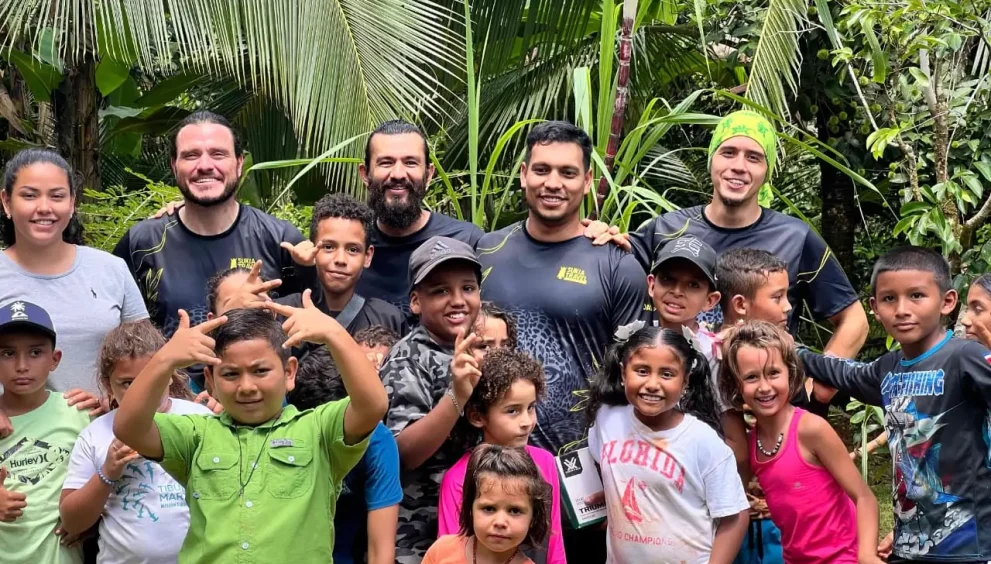
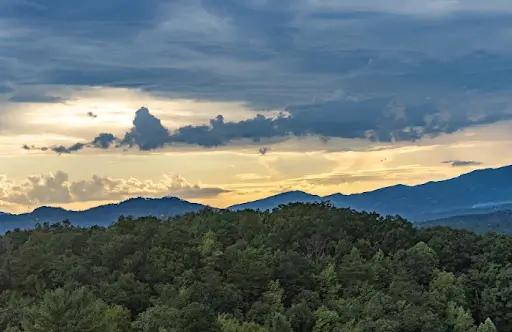
Deep in southern Costa Rica lies a rainforest so biologically charged that National Geographic once described it as “the most biologically intense place on the planet.”
This is the Osa Peninsula — a remote, ocean-carved corner of the country where 4,000-year-old primary forests still stand, where scarlet macaws swarm overhead in pairs, and where tapirs leave their footprints on beaches at dawn.
At its heart sits Corcovado National Park, named the Best National Park in the World by Discovery Corporation in 2017 and 2018.
Yet even those accolades barely scratch the surface of its uniqueness. Corcovado is a sanctuary where 99% of the land has no trails at all — an untouched universe humans can never enter. Only the remaining 1% is accessible, and even that fraction is tightly regulated.
To walk in Corcovado is to witness the richest wildlife observation opportunities in the tropical Americas: four species of monkeys, jaguars, pumas, crocodiles, macaws, anteaters, and hundreds of bird species condensed into one of the densest living ecosystems on Earth.
But this extraordinary paradise almost vanished.
This is the untold story of how a rainforest was nearly lost — and how a community brought it back from the edge.
1. The Forgotten Frontier: Osa Before Tourism
Long before tourism existed, the Osa Peninsula was considered Costa Rica’s final frontier — a wild, storm-soaked strip of land where life grew in tangled abundance.
In the 1950s and 60s, the Costa Rican government feared that neighboring Panama might try to claim this remote region. To strengthen national presence, it encouraged settlers to relocate here.
Families arrived from the Central Valley carrying little more than tools, hope, and the dream of a new life. But the Osa Peninsula was unforgiving:
- Agriculture failed under relentless tropical rain
- Forest clearing was brutally difficult
- Wildlife devoured crops
- Roads were almost nonexistent
Survival was a daily negotiation with the rainforest.
2. Gold, Timber, and Survival
Then the settlers found gold.
Rivers hid nuggets in their beds, hardwood giants towered over the canopy, and the forest suddenly became an economic lifeline. Without tourism or conservation as alternatives, the Osa Peninsula entered a new era of extraction:
- Gold mining intensified
- Rare hardwood logging surged
- Hunting became widespread
- Forest was burned to make way for cattle
The jungle, once impenetrable, became a resource.
By the early 1970s, the Osa was in crisis.
3. 1975: The Birth of Corcovado — and the Conflict That Followed
Recognizing the region’s ecological collapse, the Costa Rican government made a radical decision.
In 1975, it created Corcovado National Park, immediately followed by the establishment of the Golfo Dulce Forest Reserve.
The intent was noble: halt deforestation, mining, and poaching.
The reality was painful.
Families who lived off the land suddenly found themselves prohibited from the only livelihoods they had ever known. Tensions rose across the peninsula. Without ecotourism or alternative economies, the new conservation laws felt like an existential threat.
Some historians argue that the region stood on the verge of widespread conflict.
4. When People Are in Survival Mode, Nature Cannot Win
The 1972 Stockholm Agreements introduced a principle that became painfully relevant in Osa:
A society in survival mode cannot prioritize environmental conservation.
And in the 1970s, many residents of Osa were simply trying to survive.
- Without income, they hunted
- Without options, they logged
- Without support, they mined gold
- Without alternatives, they burned rainforest to farm
Conservation laws were in place, but the community had no path to follow them.
Nature continued to decline.
5. The Ecotourism Revolution
Everything changed when Costa Rica embraced a concept that would reshape its ecological destiny: ecotourism.
In the late 1980s and early 2000s, the country began pivoting toward tourism rooted in nature, wildlife, and local experience.
Suddenly, the forest became more valuable standing than cut.
The results were extraordinary:
- Costa Rica’s forest cover rose from 21% (1987) to 53% (2021)
- The Osa Peninsula regained 11% of its canopy
- Wildlife populations stabilized
- Local families found new livelihoods as guides, cooks, boat captains, and hosts
What the government alone could not achieve, community-centered tourism did.
Corcovado transformed from a battlefield of survival into a global model for conservation.
6. Tourism as Guardian: Why More Visitors Meant More Protection
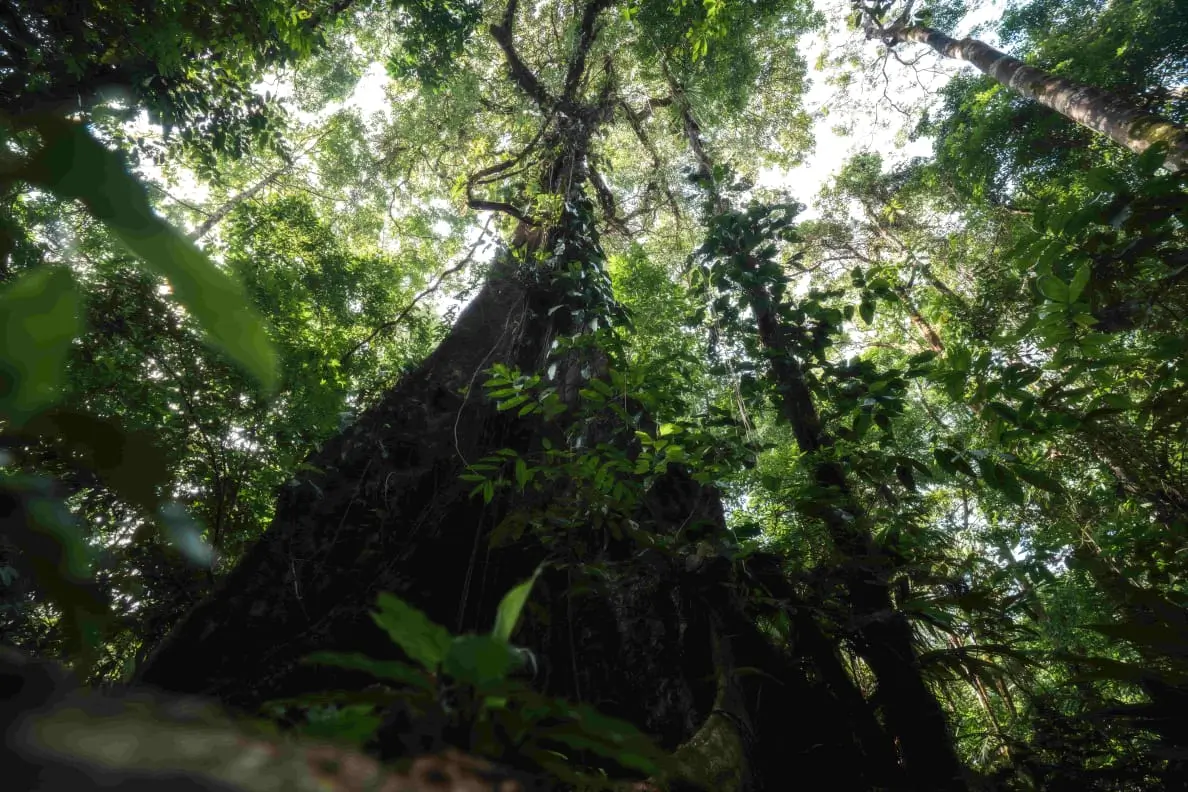
Where tourism thrived, illegal activities declined.
Guides became the jungle’s quiet guardians, their daily presence keeping poaching and logging at bay.
Visitor entry fees funded conservation projects.
Income from tours replaced income from extraction.
Communities discovered something powerful:
Protecting the forest protected their future.
Villages like Drake Bay, Puerto Jiménez, Sierpe, and smaller settlements across Osa began to flourish economically while simultaneously defending one of the last great primary rainforests on Earth.
7. The New Threat: Greenwashing in Paradise
Yet success brought a new kind of challenge.
As Osa gained fame, companies began branding themselves as “eco” while adopting business models from major Western cities:
- centralized supply chains
- little community reinvestment
- profit extraction outside the region
- mass-tourism logistics repackaged as “sustainable”
For local conservationists, these models represent a new form of exploitation.
Real ecotourism is not a marketing label — it is a balance between humanity and nature, and a commitment to strengthening the communities that maintain the forest.
8. Case Study — Community-Based Tourism Done Right
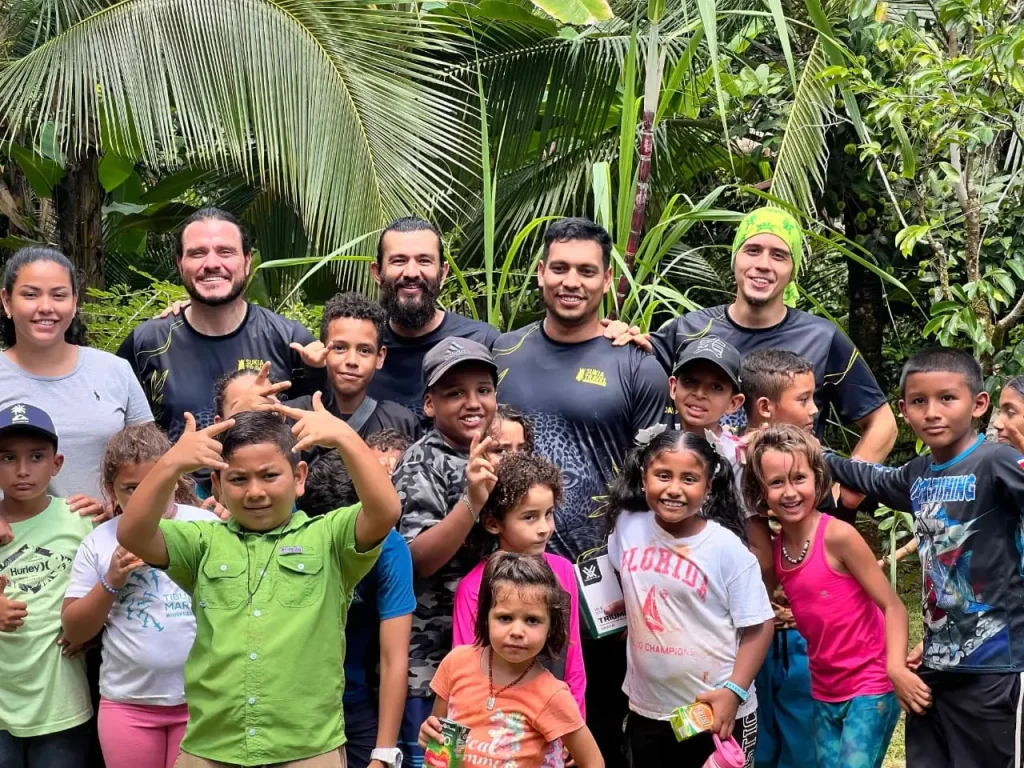
Across the peninsula, many local operators continue to embody the original spirit of ecotourism: small-scale, community-led, environmentally grounded, and deeply tied to the land.
These efforts demonstrate that conservation succeeds when it empowers those who live closest to the forest — the families who wake up to scarlet macaws, who know the trails better than maps do, and whose livelihoods depend on a healthy ecosystem.
Community tourism, when genuinely practiced, becomes the strongest shield the rainforest has.
9. A Blueprint for the Future:
Sustainable Rainforest Adventures in Corcovado**
As travelers seek more meaningful ways to explore nature, Corcovado offers a rare opportunity to experience one of Earth’s last untouched rainforests through sustainable rainforest adventures in Corcovado that prioritize:
- small-group travel
- certified local guides
- wildlife ethics
- minimal ecological impact
- community reinvestment
- education-driven experiences
- respect for indigenous and rural cultures
This is the model that can protect Corcovado through the next century.
10. The Jungle That Fought Back — And Continues to Win
The Osa Peninsula is a miracle — a rainforest that should have disappeared, a community that refused to let it die, and a country that proved nature and human wellbeing do not have to be in conflict.
Corcovado is still wild.
Still ancient.
Still overwhelmingly alive.
Its future depends on the same truth that saved it decades ago:
You can only conserve a paradise with its people, not without them.
If that balance is honored, this extraordinary rainforest — the most biologically intense on Earth — will remain a sanctuary not only for the jaguars and tapirs that roam its depths, but also for the communities who protect it, and the visitors who come to learn from it.
For More Visits: Mymagazine
