

 English
















































































































































































































































































































































































![swimsuit edition [abbb] - 1.20 21 swimsuit edition - chapter](https://mymagazine.blog/wp-content/uploads/2025/09/swimsuit-edition-abbb-1.20-21-swimsuit-edition-chapter1-1024x574.webp)





Essential Things to Check Before Settling into Your New Home


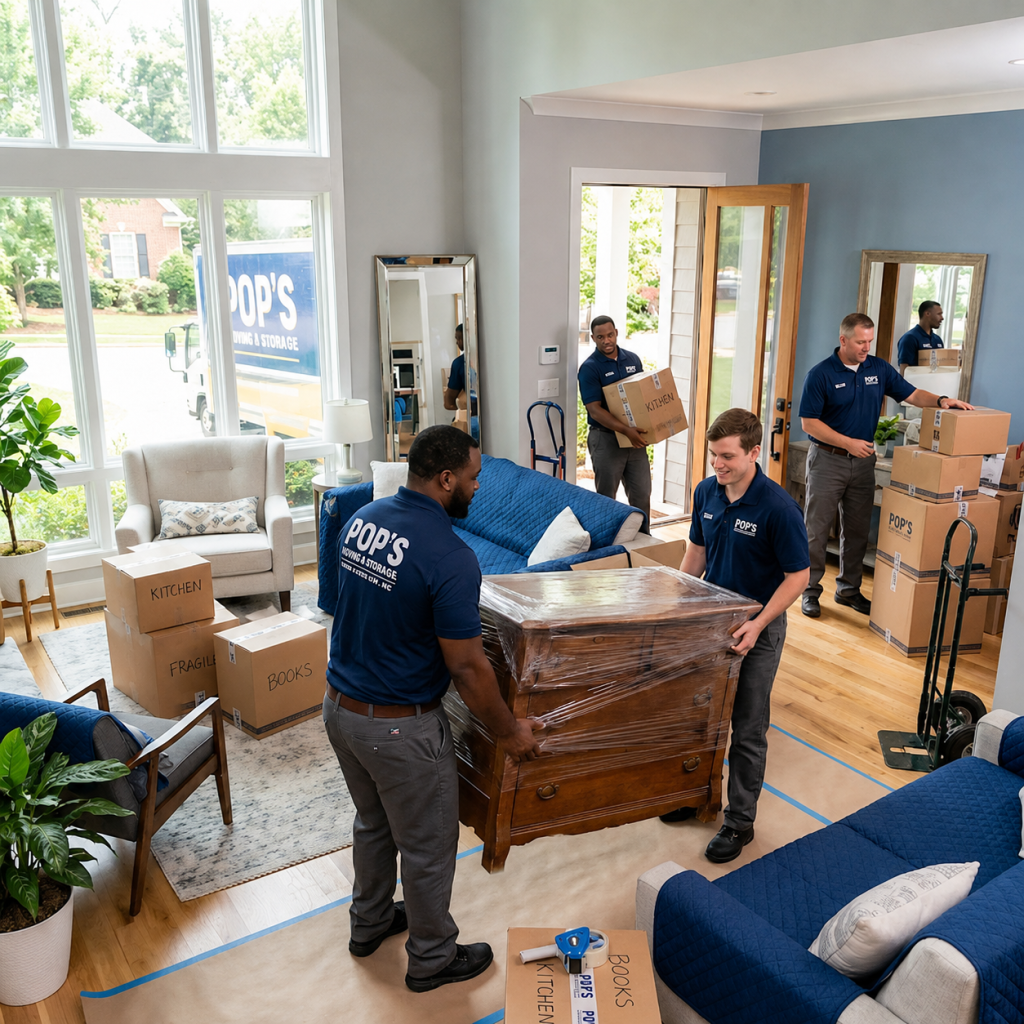
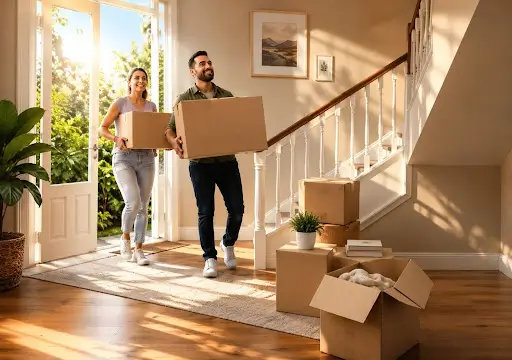
Moving into a new home is an exciting milestone, filled with possibilities and the promise of a fresh start. However, before unpacking your belongings and making yourself comfortable, it is vital to ensure that your home is safe, functional, and ready for daily living.
Overlooking important details can lead to unwanted stress and unexpected expenses down the line. Taking the time to check essential aspects of your new property ensures that your living space is not only beautiful but also secure and comfortable.
Inspect for Pests and Infestations
Before settling into your new home, one of the most crucial tasks is to check for pests or signs of infestation. Rodents, termites, ants, and other insects can cause damage to your property and create an unhealthy living environment. Look for droppings, gnaw marks, or hollow wood, which may indicate a hidden problem. You should also inspect dark corners, basements, attics, and cabinets, as pests often hide in these areas.
If you suspect any pest issues, get in touch with a residential pest control service to assess the situation and treat it before you move in. Addressing this early can save you from costly damage later. Even if no obvious signs are present, scheduling a professional inspection provides peace of mind that your home is free from unwanted guests.
Evaluate the Plumbing System
Plumbing problems can quickly turn your dream home into a nightmare. Before moving in, check all faucets, sinks, and showers for proper water flow and drainage. Inspect under sinks for leaks and moisture buildup, as these can lead to mold or structural issues if left untreated. Test the toilets to ensure they flush properly and fill without running continuously.
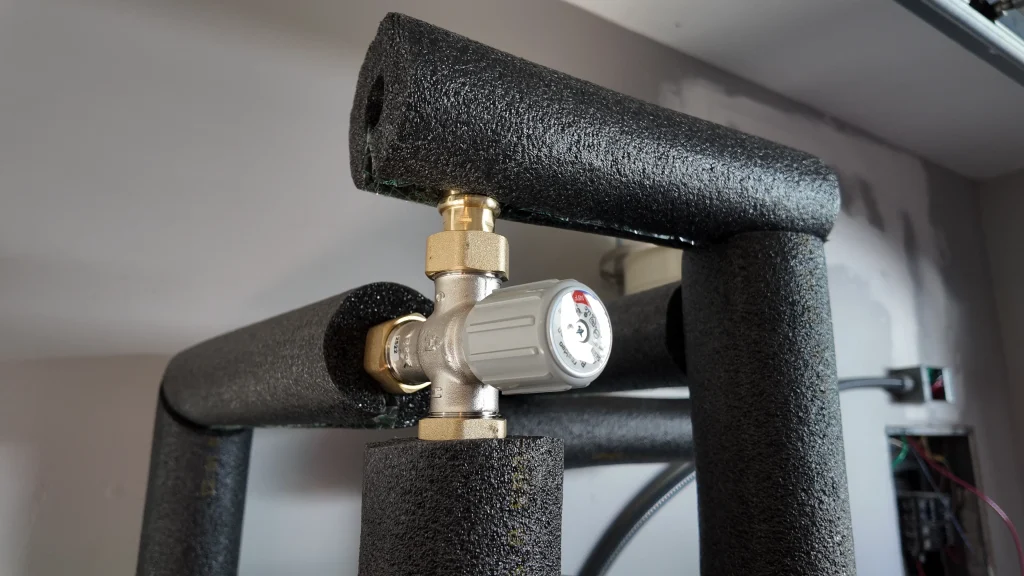
It is also important to find out where the main water shut-off valve is located. Knowing this can be a lifesaver during an emergency leak. If the home has a water heater, check for rust or unusual noises, which might indicate an aging or malfunctioning unit. Ensuring that the plumbing system is in good working condition will help you avoid unpleasant surprises after moving in.
Check the Electrical System
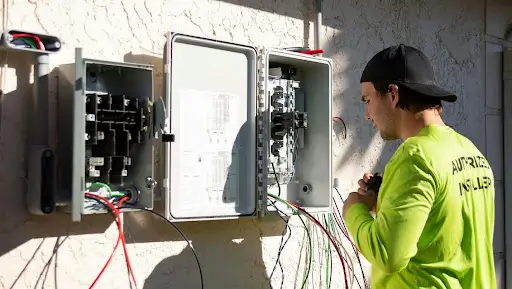
Electrical safety should always be a top priority. Walk through your new home and test every light switch and power outlet. Look for flickering lights or outlets that feel warm to the touch, as these could signal wiring issues. If the home has an older electrical system, consider hiring a certified electrician to inspect it thoroughly.
You should also confirm that the circuit breaker panel is clearly labeled and that the breakers function properly. Faulty wiring not only causes inconvenience but can also be a major fire hazard. Making sure the electrical setup meets safety standards will help you start your life in your new home with confidence and security.
Assess Structural Integrity
A strong and stable structure is the foundation of any safe home. Examine the walls, ceilings, and floors for any visible cracks or unevenness. While small hairline cracks are often normal, large or expanding ones may signal foundation issues. Open and close all doors and windows to check if they align properly. If they stick or do not shut tightly, there could be underlying structural movement.
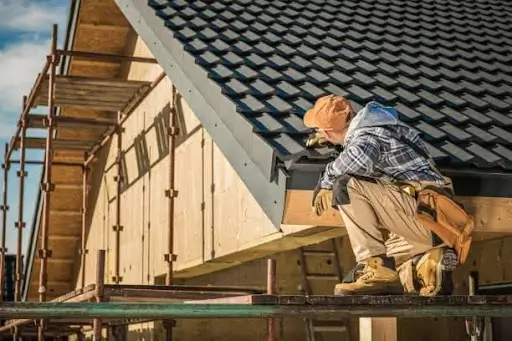
You should also inspect the roof for missing or damaged shingles, as a compromised roof can lead to leaks and water damage. If possible, have a professional conduct a more detailed structural inspection to ensure the property is sound and safe to live in.
Examine Heating, Cooling, and Ventilation
Your comfort depends heavily on the performance of your home’s heating, ventilation, and air conditioning systems. Before you settle in, test the thermostat and ensure that both heating and cooling units operate correctly. Listen for strange noises or odors when the systems run, as these can be signs of malfunction.
Clean or replace air filters if needed, and check vents for dust or blockage. Proper ventilation helps maintain indoor air quality and prevents mold growth.
Inspect Doors and Windows
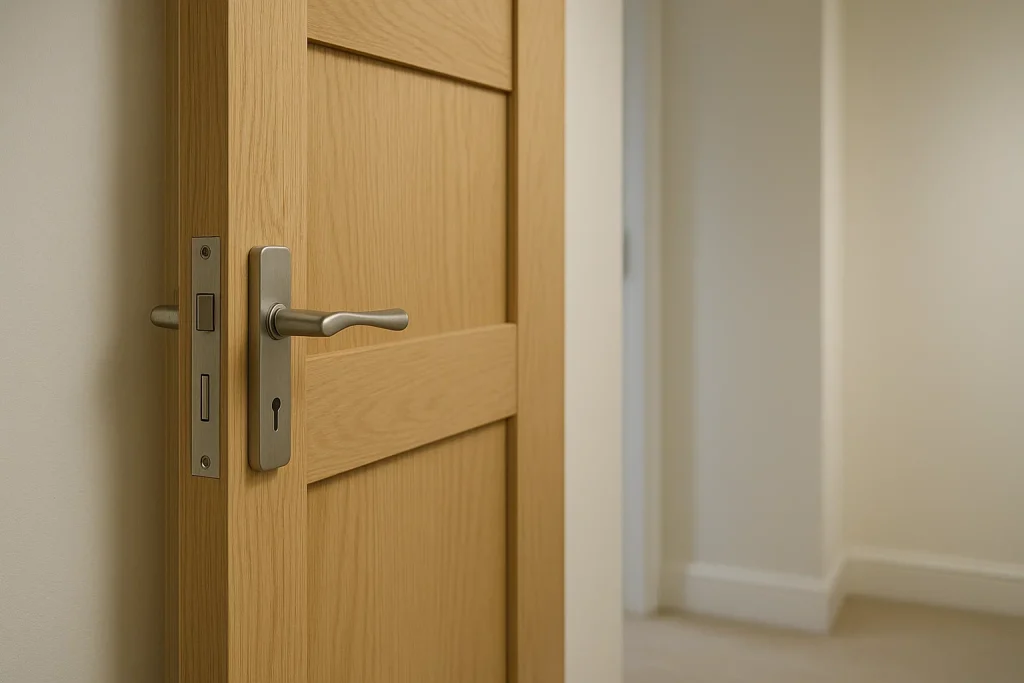
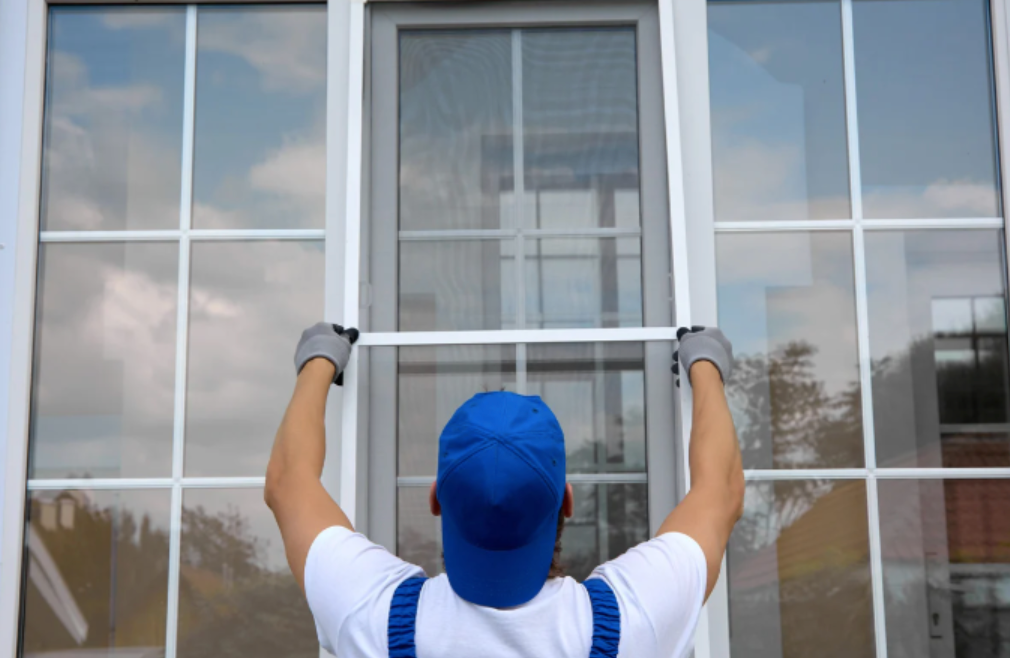
Doors and windows play a crucial role in maintaining security and energy efficiency. Make sure each door and window opens, closes, and locks properly. Inspect the seals and weatherstripping around them to ensure there are no gaps that could let in drafts or moisture.
Broken seals or cracked glass should be repaired before you move in. Apart from comfort, these small details also affect your home’s energy efficiency, helping you maintain a comfortable temperature indoors while keeping energy costs under control.
Evaluate Water Quality
Clean water is essential for your health and well-being. Before settling in, run the taps to check for discoloration, unusual smells, or strange tastes. If anything seems off, you may need to test the water for contaminants. Even if your water appears clear, testing it ensures it meets safe consumption standards.
If your home relies on a private well, regular testing is even more important. Taking this step early on ensures that you and your family have access to safe, high-quality water from day one.
Examine Floors, Walls, and Ceilings
Take time to thoroughly inspect all visible surfaces inside your home. Look for stains, water marks, or soft spots that might indicate leaks. Uneven or squeaky floors may reveal subfloor issues. Fresh paint can sometimes conceal damage, so examine closely for any irregularities.
Catching these issues early helps prevent more significant repairs later. Once you are sure everything is sound, you can decorate and personalize your space with confidence.
Secure the Outdoor Areas
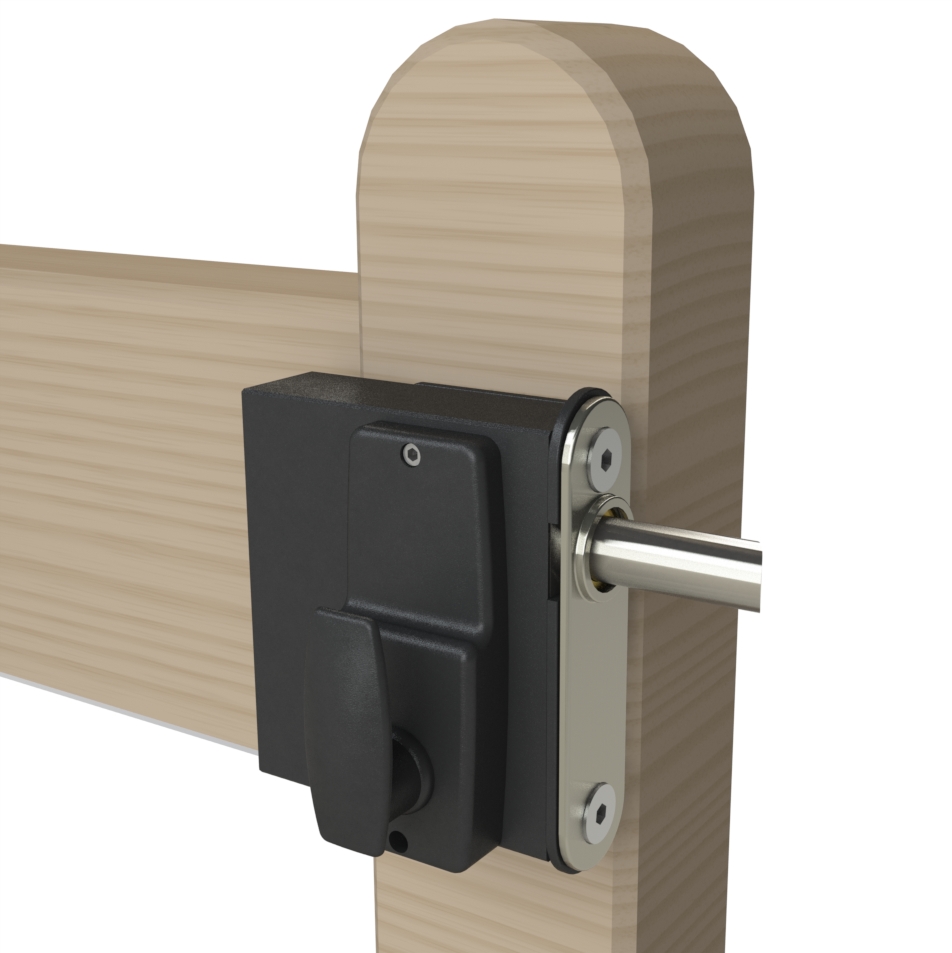
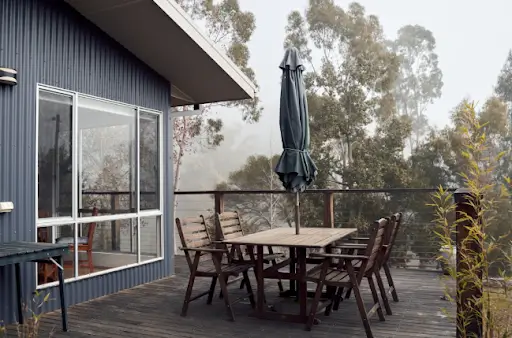
Your outdoor space deserves just as much attention as the interior. Inspect fences, gates, and decks for signs of wear or instability. Check exterior lighting for functionality to maintain safety during nighttime. Make sure drainage systems, gutters, and downspouts are clear to prevent water buildup.
Moving into a new home is more than just arranging furniture and unpacking boxes. It is about ensuring every part of your property is safe, efficient, and ready for daily life. By carefully checking essential systems and areas before you settle in, you create a secure environment where comfort and peace of mind come naturally.
For More Visits: Mymagazine

