
 English


































































































































































































































![swimsuit edition [abbb] - 1.20 21 swimsuit edition - chapter](https://mymagazine.blog/wp-content/uploads/2025/09/swimsuit-edition-abbb-1.20-21-swimsuit-edition-chapter1-1024x574.webp)





Mixboard AI Finding Its Place in Creative Workflows

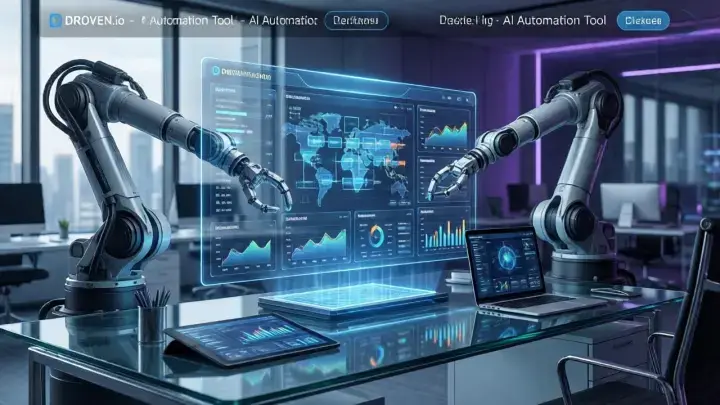
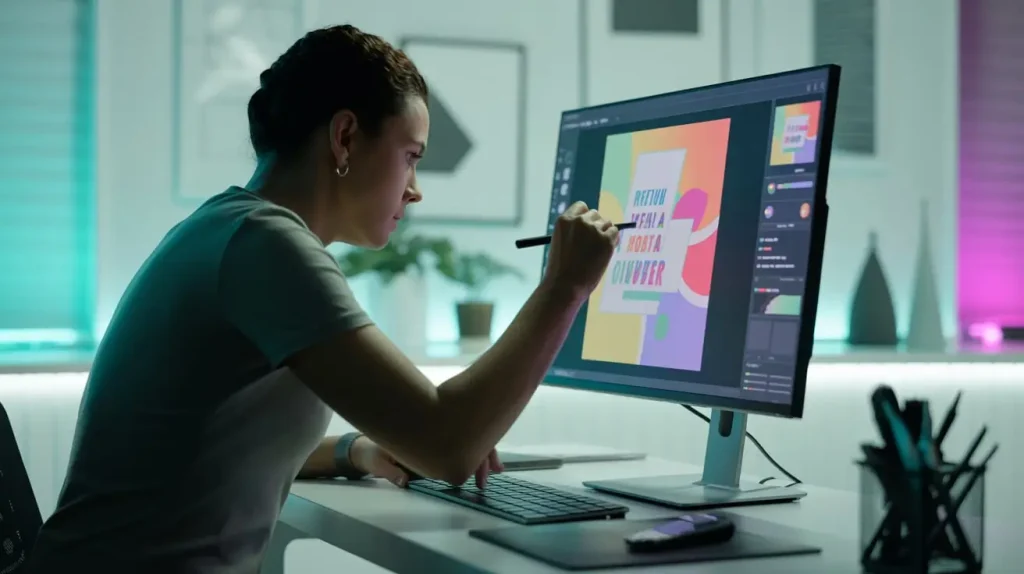
Mixboard AI didn’t enter the scene with much fanfare, and that quiet arrival is part of what makes its growth interesting. Instead of presenting itself as a bold new generator, it settled into a more practical role as a prompt and environmental interpreter inside Google Mixboard. Over time, creators began to notice that its real value wasn’t about producing images directly, but about helping ideas translate more smoothly into visual results.
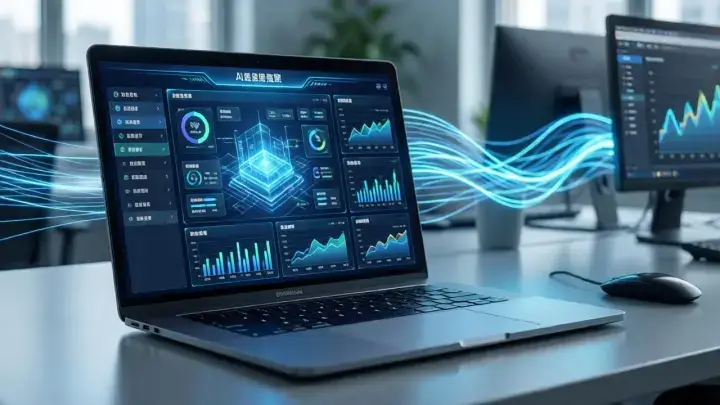
img alt: Explore how Nano Banana AI and Motion Control AI support creative workflows.
Table of Contents
- Getting Oriented Inside the Mixboard Space
- A Background Layer That Shapes Decisions
- Familiar Looks Showing Up Again
- A Smoother Way to Work With Prompts
- Where the AI Figure Trend Fits In
- Repeated Elements Across Figure Content
- Letting Small Changes Stay Small
- Fading Into Day-to-Day Creative Use
- Staying in One Place While Working
Getting Oriented Inside the Mixboard Space
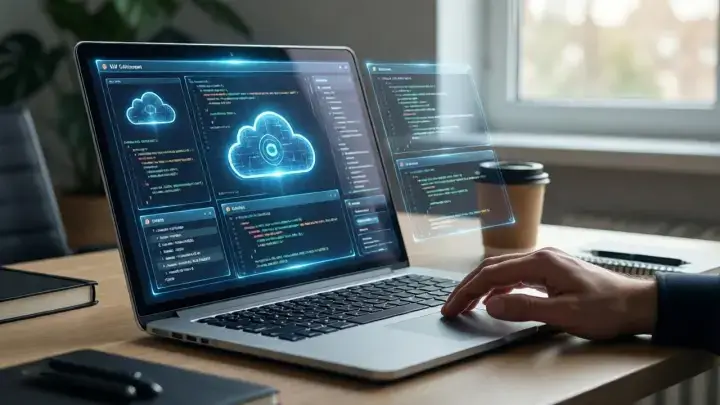
Opening Google Mixboard for the first time rarely feels like stepping into a finished system. There’s no immediate push to act or produce results, just a workspace that invites light exploration. Some creators spend time clicking around out of curiosity, while others pass through quickly, unsure of what to expect. Early attention tends to settle on how space reacts rather than what it produces.
What becomes noticeable after a while is the structure underneath. Instead of forcing everything into raw prompts, the environment frames work around scenes, visual limits, and general direction. That framing changes how experimentation feels. Adjustments become quieter and more incremental, and starting over stops feeling like a regular part of the process.
A Background Layer That Shapes Decisions
Mixboard AI doesn’t behave like a feature that demands attention. While you’re working, it stays in the background, shaping how prompts and environments are interpreted without acting as a generator on its own. Most of the time, it isn’t something you actively think about, but something that subtly guides how ideas move through the system.
That low visibility changes how prompts are written, and Nano Banana‘s advanced image generation helps to get shape to your ideas easily. Instead of refining phrasing line by line, creators often describe intent in broader terms and move forward. As sessions continue and ideas shift direction, the process stays adaptable without becoming technical or rigid.
Familiar Looks Showing Up Again
It is easy to notice Google’s prompt interpretation influences while scrolling through AI Figure posts; you start noticing the same faces and shapes more than once. Characters show up again later, styles don’t swing wildly, and themes tend to stay within a narrow range. Nothing feels like it’s trying to grab attention by being different, and that familiarity isn’t announced or highlighted while you’re looking at it.
As you make changes, they tend to stack rather than replace what came before:
- Visual edits build on existing images
- Lighting, framing, and style changes carry through
- Refinement happens in small passes
- Iteration focuses on adjustment rather than correction
As variations appear, earlier images usually remain part of the working set rather than being discarded. The impact behind this popular trend is visible nowadays, with Google Mixboard as a mainstream tool without loud and huge ad campaigns.
A Smoother Way to Work With Prompts
Writing prompts inside Mixboard AI tend to feel less repetitive than expected. Text and environment settings work alongside each other, so results don’t hinge on getting every word exactly right. Small wording changes rarely derail things, and the output generally stays close to the direction you were already moving in, without requiring constant cleanup.
That reliability becomes more noticeable as you keep working. There’s less backtracking, fewer moments spent correcting drift, and more room to adjust ideas as they evolve. Changes settle into the flow instead of interrupting it, which makes it easier to explore variations without feeling like the system needs to be nudged back into place every few steps.
Where the AI Figure Trend Found Its Place
As stylized figure images started circulating more widely, Mixboard AI began showing up more often in the background of that work. Creators gravitated toward designs that felt closer to collectibles than one-off images. AI Figure was a trend where the goal wasn’t to surprise every time, but to keep a familiar look intact from one version to the next.
Instead of rebuilding everything for each image, many stuck with the same general framework and adjusted from there. Proportions stayed recognizable, poses evolved gradually, and visual identity didn’t drift far between iterations. That approach made it easier to keep working on the same ideas without breaking their shape, especially for creators more interested in developing a recognizable style than chasing isolated results.
Repeated Elements Across Figure Content
AI Figure on Nano Banana Pro content often reuses the same visual elements. Characters appear more than once, styles stay similar, and themes don’t change dramatically from one image to the next. Nothing about it is pushed as new or surprising, and that repetition isn’t emphasized while scrolling past it.
The reuse shows up in simple ways:
- Visual styles stay consistent
- Characters don’t change identity between images
- Adjustments are small rather than dramatic
- Direction stays mostly the same
And it is noticeable how Mixboard AI interpretation comes to the scene for this impactful trend. Prompts and setups are reused, not replaced, and new images are created by adjusting what already exists instead of rebuilding everything again.
Letting Small Changes Stay Small
It’s common for image work to slow down in the middle of a session, usually not because ideas are missing, but because minor changes start taking more effort than expected. A small tweak can turn into extra setup, and attention shifts away from the image itself toward keeping everything aligned. Over time, that kind of interruption adds weight to a process that should feel lighter.
Working with Mixboard AI and AI tools like Motion Control AI shift that experience in quieter ways. Earlier choices aren’t wiped away as soon as something changes, and intent isn’t locked tightly to a single outcome. Emphasis can move, variations can be explored, and details can be refined while the rest of the work remains in place. The session continues from where it already is, with adjustments settling in naturally as part of the ongoing work.
Fading Into Day-to-Day Creative Use
Over time, Mixboard AI tends to fade into the background of everyday work. Creators use it to keep things consistent, handle environments, and avoid repeating the same setup steps, often without consciously thinking about it as a separate tool. It’s present, but not in a way that asks for attention or oversight.
That quiet presence makes it easier to fold into existing habits. There’s rarely a need to change how you work or stop to rethink your approach. Ideas keep moving forward, and the technical side stays out of the way, supporting the process without interrupting it.
Staying in One Place While Working
Working inside Google Mixboard doesn’t feel like switching between different tools. Tasks change, but space itself doesn’t. Context stays in place while visuals are handled, and there’s no sense of being pushed into a different mode just to keep going. Everything happens in the same environment, without calling attention to the parts involved.
Edits and adjustments happen where you’re already working. Ideas move around, details get nudged, and nothing forces a stop to reorganize or reset the setup. The workspace stays consistent as things shift, allowing progress to continue in small, contained steps instead of breaking the flow.