

 English

















































































































































































































































































































































































![swimsuit edition [abbb] - 1.20 21 swimsuit edition - chapter](https://mymagazine.blog/wp-content/uploads/2025/09/swimsuit-edition-abbb-1.20-21-swimsuit-edition-chapter1-1024x574.webp)





Best Door Access Control System for Small Offices and Retail Locations

Security expectations for small businesses have evolved rapidly. Whether you manage a boutique retail store, a growing startup office, or a multi-location shop, controlling who enters your space is no longer optional. Modern door access control systems now deliver enterprise-grade protection without the complexity or cost that once limited adoption to large enterprises.
Market data reflects this shift. The global access control market was valued at roughly USD 10.76 billion in 2024 and is projected to reach about USD 17.3 billion by 2030, driven by rising security threats and demand for advanced authentication technologies. At the same time, cloud-based access control alone is forecast to grow rapidly, reaching nearly USD 8.7 billion by 2033 as businesses prioritize remote and scalable security management.
For small offices and retail environments, choosing the right system can reduce theft, simplify operations, and support future growth. This guide explains what to look for and why AI-driven platforms such as Coram are gaining traction.
Why Small Offices and Retail Stores Need Access Control
Traditional lock-and-key setups create hidden risks. Keys are easily copied, lost, or never returned when employees leave. Retail locations also face challenges such as after-hours access, vendor entry, and internal shrinkage.
Door access control systems replace physical keys with digital credentials and centralized oversight. Instead of guessing who has access, business owners gain full visibility into every entry event.
Small businesses benefit most in environments where staff turnover is frequent, inventory is valuable, or multiple people require controlled access. Retail backrooms, shared offices, and cash handling areas are common examples.
What Is a Door Access Control System
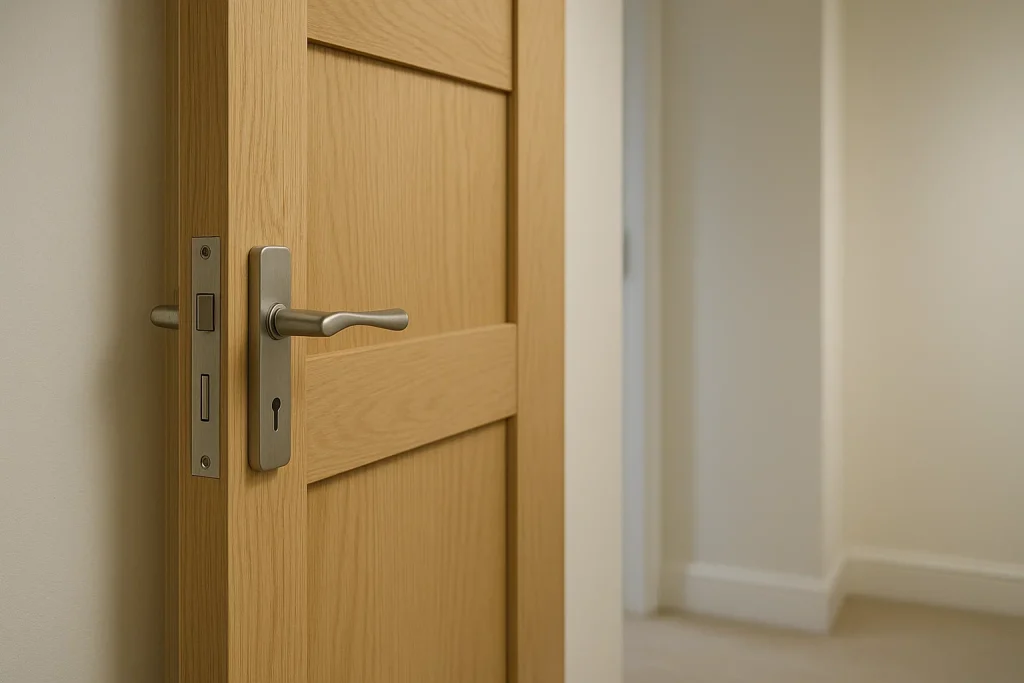
A door access control system is an electronic security solution that manages and monitors entry into a facility. Rather than using mechanical keys, the system authenticates users through credentials such as cards, mobile devices, PIN codes, or biometrics.
The process typically follows a simple sequence. A user presents credentials at the reader. The system verifies identity against stored permissions. Access is either granted or denied, and the event is logged instantly.
For small offices and retail stores, the key advantage is centralized digital control that replaces manual key management.
Types of Door Access Control Systems
Key Card and Fob Systems
Card-based systems remain common because they are affordable and easy to deploy. Employees tap or swipe a credential to unlock the door. They work well for smaller environments but can create administrative overhead if cards are frequently lost.
Mobile Access Systems
Mobile credentials allow staff to unlock doors using smartphones via Bluetooth or NFC. Adoption is rising quickly because businesses want contactless entry and simplified credential management. Mobile access also reduces the risk of lost cards.
Biometric Access Control
Biometric systems use fingerprints or facial recognition to verify identity. These provide higher assurance and are useful for sensitive areas such as cash rooms or server closets. However, they may be more than small retailers need for general entry points.
Cloud-Based Access Control
Cloud-managed systems are now the preferred option for many small businesses. They eliminate on-site servers and allow administrators to manage doors remotely from any location. Growth in this segment reflects the broader shift toward flexible, remotely managed security infrastructure.
Key Features Small Businesses Should Look For
The best door access control system for a small office or retail location should balance simplicity with scalability.
Ease of installation is critical. Small businesses rarely have the budget or patience for major infrastructure changes. Systems that work with existing doors and wiring reduce deployment time and cost.
Remote management is equally important. Owners and managers should be able to add users, revoke access, and review logs without being on site. This becomes especially valuable for multi-location retailers.
Video integration has become a major differentiator. Access logs alone show who badged in, but pairing events with video verification provides real situational awareness during investigations.
Real-time alerts also matter. Notifications for forced doors, denied access attempts, or unusual activity allow small teams to respond quickly.
Finally, scalability should not be overlooked. Many businesses start small but expand rapidly. The right platform should grow from one door to dozens without requiring a full replacement.
Why Coram Is a Strong Fit for Small Offices and Retail
Many traditional vendors treat access control as a standalone hardware function. Coram takes a more modern approach by combining access control, AI video intelligence, and centralized monitoring into a unified platform.
Coram is designed to work with existing IP camera infrastructure, which helps small businesses avoid costly rip-and-replace projects. Instead of managing separate systems for doors and surveillance, administrators use a single dashboard.
One major advantage is Coram’s intelligent automation. The platform correlates door events with video footage, allowing retailers and office managers to quickly investigate incidents such as unauthorized stockroom entry, after-hours access, or tailgating at entrances.
Coram also supports modern door access card reader system deployments that integrate seamlessly with AI video monitoring. This unified architecture improves visibility while keeping day-to-day management simple for small teams.
Because the platform is cloud native, businesses can start with a single location and expand to multiple sites without redesigning their security stack.
Best Use Cases for Small Offices
Startup offices often lack dedicated security staff. A cloud-managed system allows founders and office managers to control access remotely while maintaining professional security standards.
Professional services firms such as law offices and accounting practices benefit from controlled entry to protect sensitive client information and maintain audit trails.
Co-working spaces are another strong fit. Shared environments require flexible permissions that change frequently, and modern access control simplifies member management.
Best Use Cases for Retail Locations
Boutique stores benefit from controlled backroom access and improved visibility into employee movement during opening and closing hours.
Multi-location retail chains gain significant value from centralized dashboards that allow owners to manage permissions across all stores without traveling.
High-shrink retail environments can combine door analytics with video verification to reduce both internal and external theft risks.
Cost Considerations for Small Businesses
Budget always plays a major role in system selection. Total cost depends on the number of doors, credential type, installation complexity, and whether the platform is cloud-based or on premises.
Cloud systems typically provide the best long-term value for small businesses. They reduce the need for on-site servers, lower maintenance overhead, and simplify software updates.
While basic card systems may appear cheaper upfront, unified AI platforms often deliver better return on investment by reducing investigation time, preventing losses, and supporting future expansion.
Common Mistakes to Avoid
Many small businesses underestimate future growth and choose entry-level hardware that becomes limiting within a few years. Selecting a scalable platform from the start prevents costly upgrades later.
Another common mistake is ignoring video integration. Access logs without visual verification often leave security teams guessing during incidents.
Some organizations also overcomplicate deployment by selecting enterprise systems that require heavy IT involvement. Small teams benefit most from solutions designed for simplicity and remote management.
The Future of Door Access Control
The industry is moving quickly toward AI-driven, cloud-managed platforms. Mobile credentials, biometric authentication, and unified security dashboards are becoming standard rather than premium features.
Growth forecasts reflect this momentum. The broader physical access control market is expected to expand steadily through the next decade, fueled by rising security concerns and smart building adoption.
For small offices and retail operators, this means enterprise-level capabilities are becoming more accessible and affordable than ever before.
FAQs
What is the best door access control system for small offices?
The best solution is typically a cloud-based platform that supports remote management, mobile credentials, and video integration. Unified platforms such as Coram are increasingly popular because they combine multiple security functions in one interface.
How much does a door access control system cost?
Costs vary based on door count and features. Small deployments may start in the low hundreds per door, while AI-enabled unified platforms cost more but provide stronger long-term value.
Are mobile credentials better than key cards?
Mobile credentials are gaining popularity because they reduce loss and sharing risks. However, key cards remain common in retail environments due to simplicity and familiarity.
Can small retail stores use enterprise-grade access control?
Yes. Modern cloud platforms are designed to scale down for small businesses while still delivering enterprise-level capabilities.
Does access control help reduce employee theft?
Yes. Because every entry is logged and auditable, access control increases accountability and helps deter internal shrinkage.
Final Thoughts
Small offices and retail locations face growing security challenges, but they no longer need complex enterprise infrastructure to stay protected. Modern door access control systems provide scalable, cloud-managed protection that improves both safety and operations.
The most effective solutions go beyond basic door readers. Platforms that unify access control, video intelligence, and AI analytics deliver stronger visibility and better return on investment. For businesses that want simplicity today and flexibility tomorrow, AI-driven systems like Coram represent where the industry is heading.
For More Visits: Mymagazine