

 English

















































































































































































































































































































































































![swimsuit edition [abbb] - 1.20 21 swimsuit edition - chapter](https://mymagazine.blog/wp-content/uploads/2025/09/swimsuit-edition-abbb-1.20-21-swimsuit-edition-chapter1-1024x574.webp)





How to Winterize Vacant House Plumbing: A Complete Guide

Owning a vacant property during the winter months can present unique challenges, especially when it comes to protecting your plumbing system. Freezing temperatures can wreak havoc on pipes, causing bursts, leaks, and expensive repairs. Winterizing your vacant house plumbing is not just a preventative measure—it’s an essential step to save you from future headaches. If you’re wondering how to prepare your home’s plumbing for winter, you’re in the right place!
In this article, we’ll provide a comprehensive, step-by-step guide to winterize vacant house plumbing. Follow these tips to protect your investment and keep your plumbing system safe from freezing temperatures.
Why Winterizing Plumbing is Essential for Vacant Properties
When temperatures drop below freezing, any water left in your pipes can freeze, expand, and cause pipes to burst. This is particularly risky for vacant homes where plumbing systems aren’t actively being used, and issues may go unnoticed until significant damage has occurred.
Key reasons to winterize your plumbing:
- Prevent expensive pipe repairs.
- Avoid water damage to your property.
- Ensure your home remains safe and ready for use in the future.
With that in mind, let’s dive into the most effective ways to winterize your vacant house plumbing.
Step-by-Step Guide to Winterize Vacant House Plumbing
1. Shut Off the Main Water Supply
The first and most critical step is to turn off the main water supply to your home. Doing so prevents water from flowing into the pipes, reducing the risk of freezing and bursting.
How to do it:
- Locate the main water shut-off valve (usually found in basements or near water meters).
- Turn the valve clockwise until it is completely closed.
- Test your faucets to ensure no water is flowing.
2. Drain All Water from Pipes
Once the main water supply is off, you’ll need to drain all the water from your plumbing system. Any leftover water in pipes can freeze and expand, causing them to crack.
Steps to drain your pipes:
- Open all faucets (both hot and cold) starting from the top floor and working your way down.
- Flush all toilets to empty the water from the tanks and bowls.
- If your home has a garden hose connection, drain it too.
3. Use Air Compressors to Blow Out Excess Water (Optional)
For an extra layer of protection, you can use an air compressor to blow out any remaining water from your pipes. This is particularly useful for areas prone to severe winters.
How it works:
- Connect the air compressor to a faucet or hose bib.
- Blow air through the pipes until no water comes out.
4. Add Antifreeze to Pipes and Drains
Non-toxic antifreeze can be a lifesaver in protecting your pipes from freezing. It lowers the freezing point of any water left in your plumbing system.
Where to use antifreeze:
- Pour antifreeze into toilet bowls and tanks.
- Add it to sink and bathtub drains.
- Use it in any appliance with water connections, such as dishwashers or washing machines.
Be sure to use RV antifreeze, as it’s designed for plumbing systems and is safe for the environment.
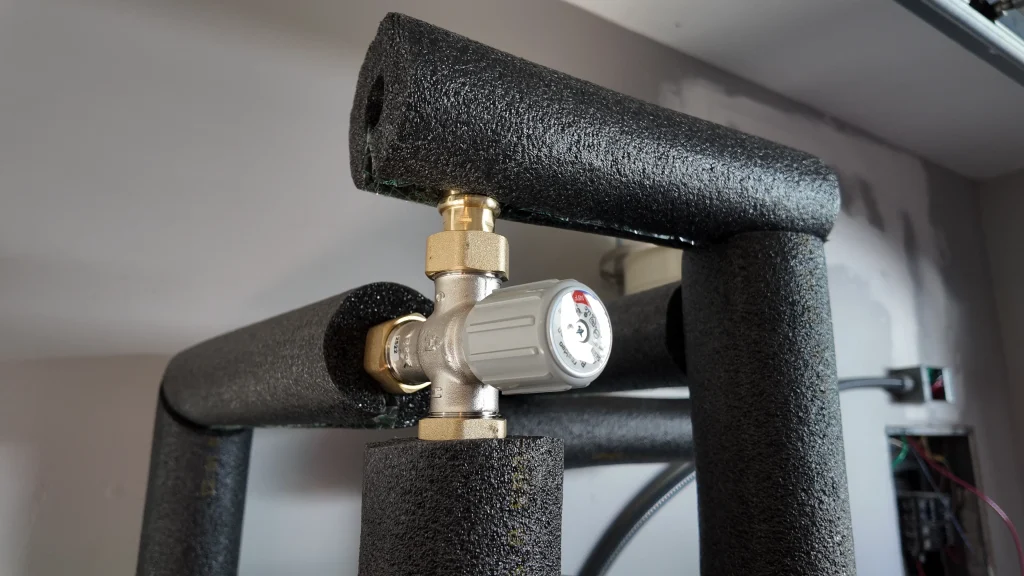
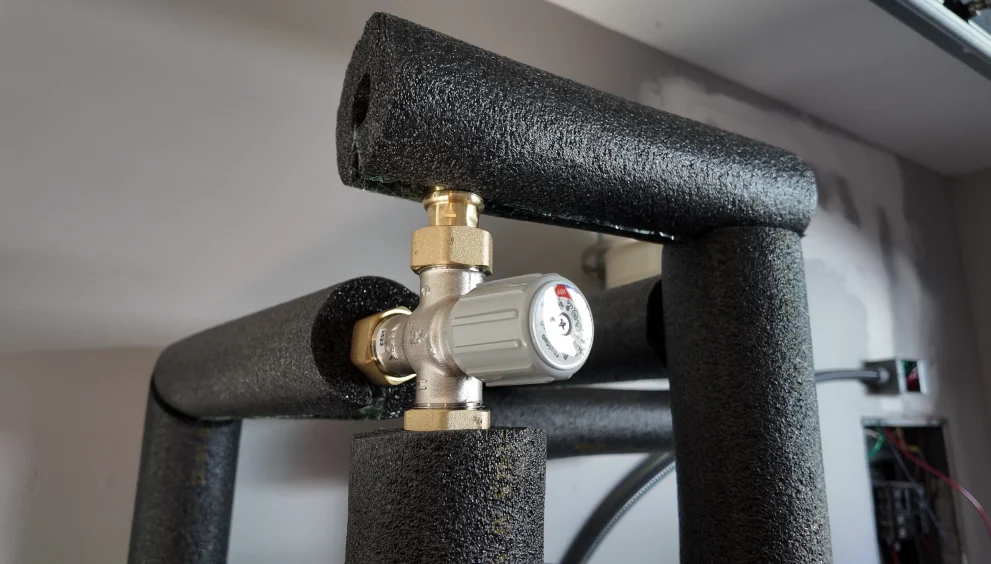
5. Insulate Exposed Pipes
Exposed pipes in unheated areas (e.g., basements, attics, or crawl spaces) are particularly vulnerable to freezing. Insulating these pipes can significantly reduce the risk of damage.
Tips for insulating pipes:
- Use foam pipe insulation sleeves.
- Wrap pipes with heat tape for added protection.
- Cover outdoor spigots with insulated covers.
6. Turn Off Water Heater and Drain It
Your water heater is another key component to address. Leaving water in the heater can lead to freezing and damage.
How to winterize your water heater:
- Turn off the heater and disconnect the power supply.
- Attach a garden hose to the drain valve and let the water flow out.
- Be sure to open the pressure relief valve to allow complete drainage.
7. Check for Leaks
Before leaving your home, inspect your plumbing system for leaks. Even small leaks can cause significant issues if left unattended during winter.
How to check for leaks:
- Look for water stains, drips, or puddles around pipes.
- Tighten loose connections to prevent leaks.
8. Monitor the Home’s Temperature
If possible, maintain a low but consistent temperature in the home (around 55°F/13°C). This helps keep the interior warm enough to prevent freezing pipes.
Pro Tip: Install a smart thermostat that allows you to monitor and control the temperature remotely.
9. Hire a Professional Plumber
If you’re unsure about the process or want to ensure your home is fully protected, consider hiring a professional plumber. They can perform a thorough winterization and address any potential vulnerabilities in your plumbing system.
Common Mistakes to Avoid When Winterizing Plumbing
While winterizing your plumbing is relatively straightforward, homeowners often make mistakes that can lead to problems later. Here are a few common pitfalls to avoid:
- Forgetting to shut off the water supply.
- Neglecting to drain outdoor faucets and hoses.
- Using toxic antifreeze instead of RV antifreeze.
- Overlooking small leaks that can worsen over time.
- Failing to insulate exposed pipes.
By avoiding these mistakes, you’ll ensure your plumbing system is well-protected throughout the winter months.
Conclusion
Winterizing your vacant house plumbing is a crucial step in protecting your property during the colder months. By following the steps outlined in this guide—shutting off the water supply, draining pipes, adding antifreeze, and insulating exposed pipes—you can prevent costly damage and ensure your home remains in excellent condition.
If you’re looking for more expert advice on home maintenance, plumbing tips, and even home décor inspiration, check out Home Comfort Experts. This website offers free, practical tips and tricks to help you improve your home. From plumbing hacks to home décor ideas inspired by celebrity homes, Home Comfort Experts is your go-to resource for all things home improvement. Don’t miss out on their valuable insights!
By taking the time to winterize your plumbing, you’ll enjoy peace of mind knowing your vacant home is safe, secure, and ready for use when the warmer months return.