

 English

































































































































































































































































































































































































![swimsuit edition [abbb] - 1.20 21 swimsuit edition - chapter](https://mymagazine.blog/wp-content/uploads/2025/09/swimsuit-edition-abbb-1.20-21-swimsuit-edition-chapter1-1024x574.webp)





How to apply for Polish citizenship – an overview of the process

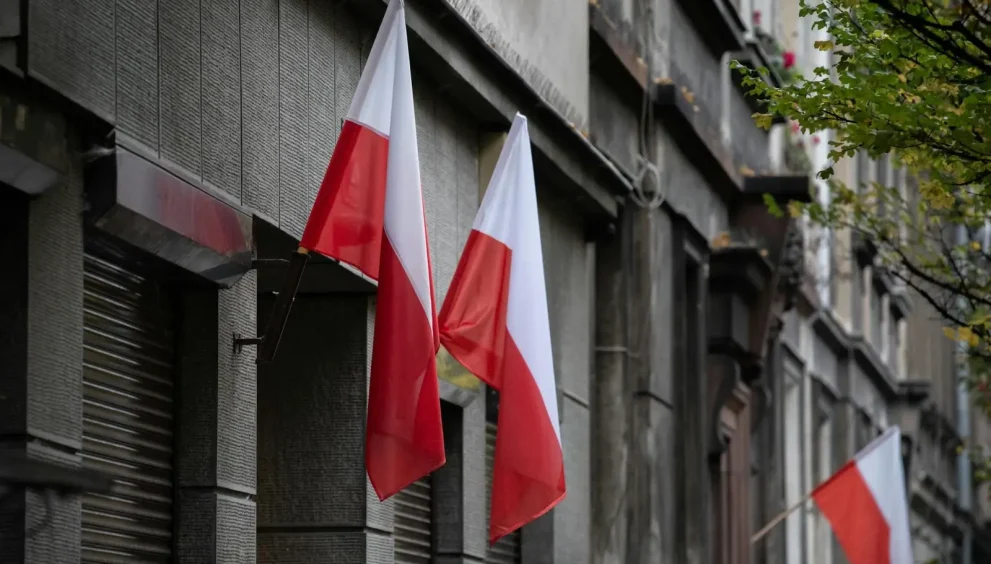
Reacquiring or confirming a legal bond with Poland can be deeply meaningful: it may reconnect you with family history, create stability for your children, or simply resolve years of uncertainty about your status. At the same time, the path to Polish citizenship can feel administratively heavy and emotionally charged, especially when documents are missing, names were changed, or relatives lived through displacement. The good news is that the Polish legal framework offers several routes, and with careful preparation the process becomes far more predictable. What often matters most is choosing the right procedure early and building a clear, evidence-based application strategy.
Understanding the main pathways to Polish citizenship
Polish citizenship can be obtained or recognized through different legal mechanisms. The correct route depends on your personal circumstances, your ancestry, and where you currently live. Selecting the proper pathway is not a technicality; it determines which authority decides, which documents you must collect, and how long the process may take.
1) Citizenship by descent (confirmation of citizenship)
Many applicants are not “applying for citizenship” in the sense of requesting a new status—rather, they are asking the Polish authorities to confirm that they have been Polish citizens all along, because citizenship passed from a Polish parent to a child. This procedure is common among descendants of Polish citizens who emigrated, including families who left Europe before or after World War II.
This route is typically based on proving an unbroken line of citizenship transmission and showing that an ancestor did not lose Polish citizenship under the laws in force at the relevant time. It can be document-intensive, but it often does not require language exams or long residence in Poland.
2) Citizenship by grant (discretionary grant by the President)
Polish citizenship can also be granted by the President of Poland. This is a discretionary decision and can be requested regardless of length of stay, although applicants usually provide strong ties to Poland, such as family connections, cultural involvement, professional contributions, or humanitarian considerations.
Because it is discretionary, the emphasis is often on a well-structured personal justification rather than meeting a strict checklist—although documentation still matters.
3) Citizenship by recognition (administrative recognition)
Another route is recognition as a Polish citizen, usually available to individuals who have lived in Poland for a specific time under certain residence permits, who have stable income and housing, and who can demonstrate integration (including language proficiency). This pathway is often chosen by long-term residents, spouses of Polish citizens, or individuals with Polish origin who meet residence requirements.
4) Restoration of citizenship
In some cases, Polish citizenship may be restored to people who lost it under historical circumstances. This route has specific exclusions and conditions, and it is distinct from “confirmation” (which assumes citizenship never ceased) and from “recognition” (which assumes you are not currently a citizen).
Initial self-assessment: questions that shape the strategy
Before collecting documents, it helps to clarify your factual starting point. A practical self-assessment can reduce stress and prevent costly detours.
- Who is your closest Polish ancestor? Parent, grandparent, great-grandparent?
- When and where were they born? Borders and jurisdictions changed, so place names may have multiple versions.
- When did the family leave Poland? Pre-war emigration cases can differ from post-war displacement.
- Did anyone serve in a foreign army or acquire another citizenship? Some historical laws affected citizenship retention.
- Do you have original civil status documents? Birth, marriage, death certificates, passports, military records.
Example: A person born in Canada may believe they need to “apply” for Polish citizenship, but if their grandmother was a Polish citizen and did not lose citizenship, the correct approach may be confirmation—an important distinction that influences the entire timeline and evidence plan.
Document collection: what you usually need and why it is challenging
Polish citizenship cases are evidence-driven. Authorities typically expect official records that connect each generation and confirm the legal identity of the ancestor whose citizenship is central to the claim. For many families, the hardest part is not the law—it is the paperwork.
Core documents (typical examples)
- Civil status records: birth and marriage certificates establishing lineage.
- Polish identity/citizenship evidence: old Polish passports, identity cards, military booklets, population registers, certificates of residence.
- Migration records: ship manifests, naturalization certificates, immigration files.
- Name change and spelling variation evidence: court orders, amended certificates, consistent cross-references.
- Death certificates: sometimes needed to complete the chain of evidence.
Practical obstacles and how to handle them
1) Inconsistent names and dates
Older records often contain spelling differences (e.g., Polish diacritics removed) or shifting dates of birth. Collect documents that “bridge” the inconsistency—such as marriage certificates listing parents, or an immigration document referencing the original hometown.
2) Missing documents due to war or displacement
If records were destroyed or never issued, you may need archival searches, parish records, or substitute evidence. This can be emotionally difficult when family history includes trauma. It helps to proceed step by step: identify the last confirmed fact, then expand to archives that cover that place and period.
3) Certified translations and apostilles/legalization
Foreign documents often require apostilles (or consular legalization) and sworn translations into Polish. Plan for time and cost here; the process may involve multiple jurisdictions if your family lived in several countries.
Mid-process clarity: confirmation cases and the importance of a structured file
In descent-based matters, a well-organized narrative and document set can substantially reduce the risk of requests for additional evidence. Many applicants find it useful to build a “citizenship timeline” showing births, marriages, migrations, and any naturalization events, with each statement backed by a document. If you want to explore what thorough preparation typically looks like in confirmation proceedings and what authorities expect from the evidence package, more details can be found here: Polish Citizenship Confirmation.
Example: If your grandfather left Poland in 1936, naturalized in the United States in 1947, and your parent was born in 1942, the sequence matters. A clear timeline helps demonstrate whether citizenship could have been passed before any potential loss event, depending on the legal rules applicable at that time.
Where and how to submit: authorities, forms, and typical steps
The filing route depends on whether you apply from abroad or in Poland and which pathway you choose.
Applying from outside Poland
- Consulate submission: Many applicants submit via a Polish consulate, which forwards the file to the competent authority in Poland.
- Preparation time: Consular appointments can have long waiting periods in some countries, so scheduling early is an organizational advantage.
Applying within Poland
- Voivodeship office (Urząd Wojewódzki): Often involved in recognition/confirmation-type administrative procedures.
- Residence documents: For recognition, expect stricter review of legal stay, income, housing, and language requirements.
Organizational advice: Keep a digital and paper copy of everything you submit, use consistent file naming, and maintain a checklist of what has been legalized, translated, and certified. Administrative processes can involve follow-up questions months later; good records reduce anxiety and prevent repetition.
Costs, timelines, and planning for uncertainty
Polish citizenship procedures rarely move on a predictable calendar, and processing times vary with case complexity, authority workload, and whether archival searches are needed. This uncertainty can be stressful, particularly when citizenship is tied to urgent life decisions such as relocation, schooling, or healthcare access.
Common cost categories
- Official fees: Administrative fees may apply depending on the procedure.
- Certified copies and registry extracts: Costs from civil registry offices and archives in different countries.
- Apostilles/legalization: Fees vary by jurisdiction.
- Sworn translations: Often priced per page and can become significant in multi-document cases.
- Travel and time off work: Consular appointments, archive visits, or obtaining documents in person.
Practical planning tip: Build a buffer for translation and legalization steps. Applicants often underestimate how long it takes to obtain corrected certificates or archival confirmations, especially when multiple institutions must coordinate.
Emotional, health, and family considerations during the process
Behind every citizenship case is a human story—often involving separation, identity questions, or family members who are no longer alive to answer questions. It is normal for the process to trigger grief, frustration, or a sense of responsibility to “get it right.”
- Emotional load: Reading historical records can reveal painful facts. Consider pacing the work and sharing tasks with a trusted family member.
- Health and stress: Long waits and administrative uncertainty can create sustained stress. Establish a routine (e.g., monthly progress checks) rather than constant monitoring.
- Family dynamics: Different relatives may remember events differently. Prioritize written evidence, but treat family narratives with respect—they often provide the clues needed for archival searches.
Example: A parent may feel pressure to secure citizenship for a child before university enrollment. In such cases, it can help to create a “two-track plan”: pursue the citizenship file while simultaneously exploring interim residency or education options, so the family’s future does not hinge on a single administrative timeline.
Common mistakes and how to avoid them
- Choosing the wrong procedure: Confirmation, recognition, grant, and restoration are not interchangeable. Misclassification can cost months.
- Submitting incomplete lineage evidence: Ensure each generational link is supported by official records.
- Ignoring name discrepancies: Address variations proactively with bridging documents and clear explanations.
- Overlooking legalization/translation requirements: A complete set of documents may still be unusable if not properly prepared for Polish authorities.
- Disorganized submissions: A coherent index, timeline, and labeled attachments can materially improve clarity.
After approval: next practical steps
Once citizenship is confirmed, recognized, granted, or restored, you may need additional administrative steps to fully “operationalize” your status.
- Polish civil registry: If your foreign birth/marriage records must be transcribed into Polish registers, this can be an important follow-up task.
- PESEL number: Often needed for many formal interactions in Poland.
- Polish passport and ID: Separate applications with their own requirements and appointment scheduling.
These steps are usually more straightforward than the citizenship determination itself, but they still require planning—especially if you live abroad and rely on consular availability.
Key takeaways and a thoughtful next step
Polish citizenship procedures become manageable when approached as a structured project: identify the correct legal pathway, build an evidence-based timeline, and prepare documents in the required form (certified copies, apostilles/legalization, sworn translations). Just as importantly, recognize the human dimension—many applicants are navigating family loss, migration histories, and time pressure alongside bureaucracy.
If you are considering this journey, it may help to pause and reflect on what you need most right now: certainty about eligibility, clarity on missing documents, or a realistic plan that matches your family’s timeline and resources. Deeper understanding—of both the legal logic and the practical workflow—often turns an overwhelming process into a series of achievable steps, handled with patience and care, whether you proceed independently or with support from a specialist such as Five to Europe.
For More Visits: Mymagazine