

 English




































































































































































































































































































































![swimsuit edition [abbb] - 1.20 21 swimsuit edition - chapter](https://mymagazine.blog/wp-content/uploads/2025/09/swimsuit-edition-abbb-1.20-21-swimsuit-edition-chapter1-1024x574.webp)





The Growing Importance of Personalized Learning for Kids


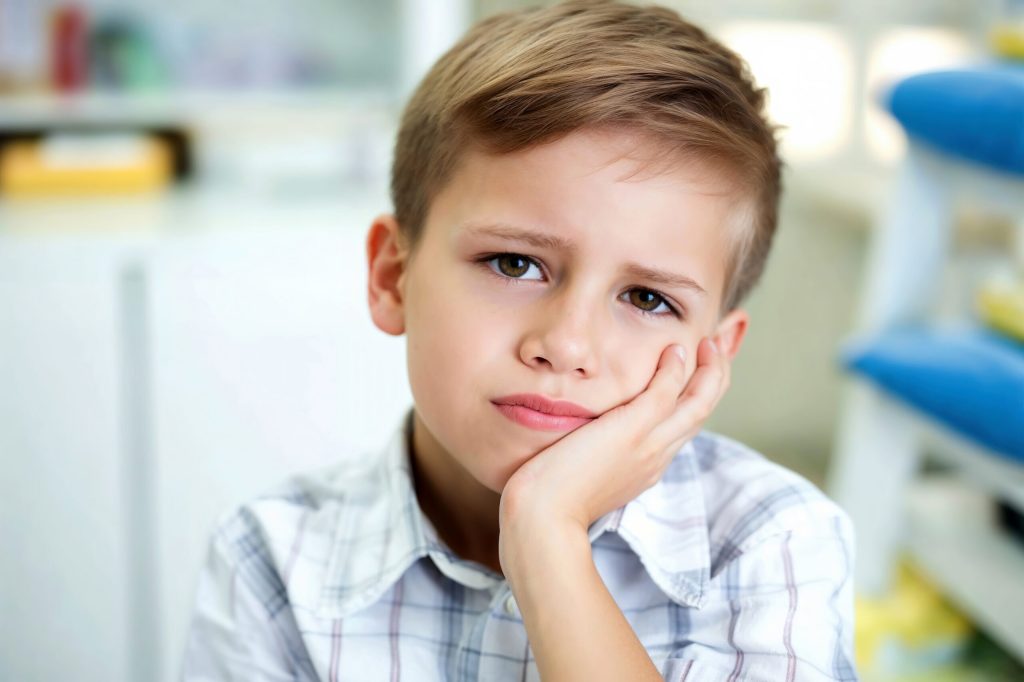
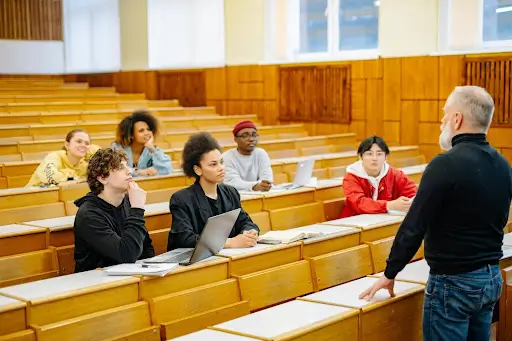
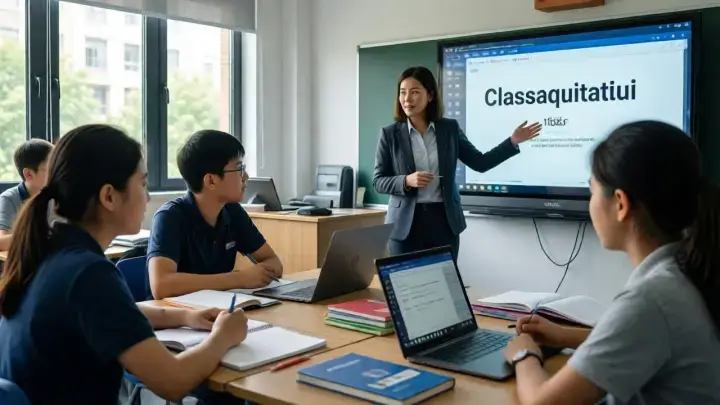
A child can spend hours studying and still feel completely lost in class. Another child may finish assignments quickly while struggling to explain basic concepts. The same classroom is being shared and the same lessons are being taught, though completely different experiences are being lived. That disconnect has started to receive more attention from parents and educators. Traditional learning models are being questioned because children do not process information in identical ways.
A one-size-fits-all approach once felt practical. Large classrooms were managed more easily and standard testing was treated as the fairest method. That system is now being challenged by growing concerns about emotional well-being and academic burnout. Many children are being labeled distracted or unmotivated when deeper issues may exist underneath. A slow-building shift has been noticed in schools and homes alike.
Personalized learning has started gaining support because individual needs are being recognized more clearly. Learning styles, emotional regulation and processing abilities are now being discussed with greater honesty. Parents are also becoming more aware of how strongly confidence affects academic performance. Have schools been expecting children to adapt too quickly to rigid systems?
Children are not asking for easier work. They are asking to be understood. That distinction matters more than many people realize.
Why One Classroom Cannot Fit Every Child
Children absorb information differently and those differences cannot always be seen immediately. Some children respond well to verbal instruction while others need visual support or movement-based learning.
This is why evaluations and early interventions have been discussed more frequently in educational spaces. Parents are trying to understand why effort does not always match results. Teachers are also being asked to recognize patterns that traditional systems may overlook. In many cases, psychoeducational evaluations are recommended to identify learning differences, attention-related challenges and emotional factors affecting academic performance.
So, what is a psychoeducational evaluation? It is a detailed assessment used to understand how a child learns and what barriers may affect academic performance. Cognitive skills, emotional functioning and executive functioning are examined through structured testing.
Many families feel relief after these evaluations are completed. A child who was called careless may actually have processing challenges. Another child who avoids homework constantly may be dealing with anxiety connected to school performance. Labels are often replaced with understanding once proper assessments are conducted.
Consider two students in the same math class. One may struggle because instructions are forgotten quickly. Another may understand concepts fully but freeze during timed tests. The same grade could be received by both students although entirely different support would be needed.
Would academic confidence improve if children felt understood instead of compared constantly?
The Pressure To Keep Up Is Hitting Kids Hard
Modern childhood has become heavily performance-driven. Academic expectations have increased and emotional strain has quietly followed behind. Children are now being exposed to constant comparison through social media and competitive school environments. Even elementary-aged students are discussing stress in ways that once sounded adult-like.
Personalized learning matters because emotional health is tied closely to academic performance. A child who feels defeated repeatedly may stop participating entirely. Motivation can disappear when effort never seems enough. This pattern is being noticed more often by pediatricians and mental health professionals.
Several signs are commonly associated with learning-related stress:
- Frequent stomachaches before school
- Sudden emotional outbursts during homework
- Avoidance of reading or writing tasks
- Difficulty focusing during simple activities
- Low self-esteem and confidence despite strong verbal skills
These behaviors are sometimes mistaken for laziness or defiance. In many cases, frustration has simply built up quietly for years. Emotional exhaustion can appear in children long before it is recognized by adults.
Schools are beginning to respond differently because awareness around mental health has grown. Flexible teaching methods are being introduced and conversations around emotional support are becoming less stigmatized. Some districts have started incorporating sensory-friendly classrooms and individualized learning plans. Those changes would have seemed unusual twenty years ago.
Children thrive when pressure is reduced and support is increased. That principle sounds simple though it has not always been practiced consistently.
Technology Is Changing Expectations In Surprising Ways
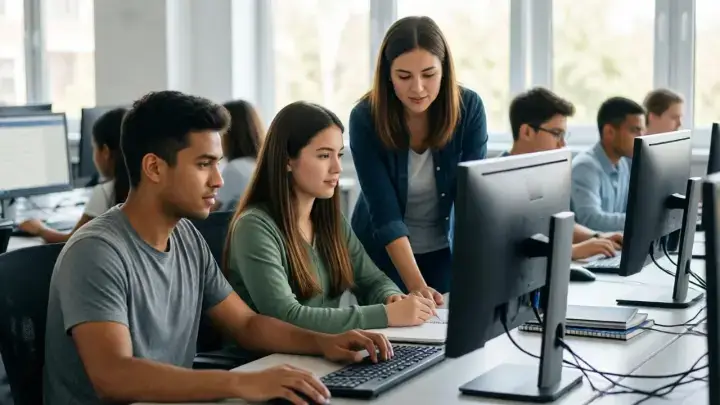
Technology has influenced personalized learning in both positive and complicated ways. Educational platforms can now adjust reading levels automatically based on student performance. Lessons are being customized more easily and learning gaps can be identified faster than before. That flexibility has helped many students who previously struggled in traditional settings.
At the same time, technology has increased expectations around constant productivity. Children are expected to multitask regularly while maintaining focus across multiple digital platforms. Attention spans are being discussed more frequently because screen-heavy routines affect concentration differently for every child.
Some students benefit from digital learning tools tremendously. Others become overwhelmed by constant stimulation and fragmented instruction. Personalized learning becomes important because reactions vary so widely. What works beautifully for one child may become distracting for another.
An interesting shift has also occurred within parenting culture. Academic success is no longer viewed solely through report cards. Emotional resilience, executive functioning and self-awareness are being valued more seriously. Parents are asking broader questions about development now. Is a child managing stress well? Does learning feel meaningful or purely exhausting?
That shift reflects larger cultural conversations around wellness and identity. People are redefining mental health support today and educational systems are being pulled into that discussion naturally. Emotional well-being can no longer be separated neatly from academic performance.
Children Learn Better When They Feel Seen
Personalized learning has become more important because childhood itself has changed. Academic pressure, emotional stress and social comparison now affect children much earlier than many adults expect. Traditional systems still serve some students well, though many others continue slipping through unnoticed gaps.
Understanding how a child learns should not be treated as an unnecessary luxury. It should be viewed as part of responsible support. Personalized education does not lower standards. It creates conditions where children can actually meet them with confidence and stability.
More families are asking thoughtful questions because they want deeper answers than grades alone can provide. That curiosity matters. Children benefit when adults stop assuming and start observing carefully.
A classroom may always contain different personalities and abilities. That reality will never disappear. The real question is whether educational systems are willing to respond with flexibility and compassion instead of forcing sameness repeatedly.
Children remember how learning made them feel. That emotional memory often shapes confidence far beyond school walls.

