

 English












































































































































































































































































































































































































































Why Gum Health Is A Priority In General Dentistry


You may not think much about your gums until they bleed when you brush, feel sore when you eat, or start to pull away from your teeth. That is how it often starts. Quietly. A little pink in the sink. A spot that stays tender. Breath that never feels fully fresh. It is easy to put off, especially when life is busy and nothing hurts enough to feel urgent. Forest Dental Associates in Utica and Sterling Heights.
The problem is that gum issues rarely stay small on their own. In general dentistry, healthy gums are the base that supports every other part of your smile. When gums are inflamed or infected, routine care gets harder, restorative work becomes less predictable, and tooth loss becomes a real risk. Gum health in dentistry matters because gums do more than frame your teeth. They protect bone, hold teeth in place, and signal when something deeper is wrong.
Healthy Gums Support Every Part of General and Restorative Dentist Care
Your teeth do not stand alone. They sit in bone and are surrounded by gum tissue that acts like a seal. When that tissue is healthy, it helps keep bacteria from moving deeper under the gumline. When it is irritated, swollen, or infected, that barrier weakens. Plaque hardens into tartar, pockets can form around teeth, and infection can begin to damage the bone that supports them.
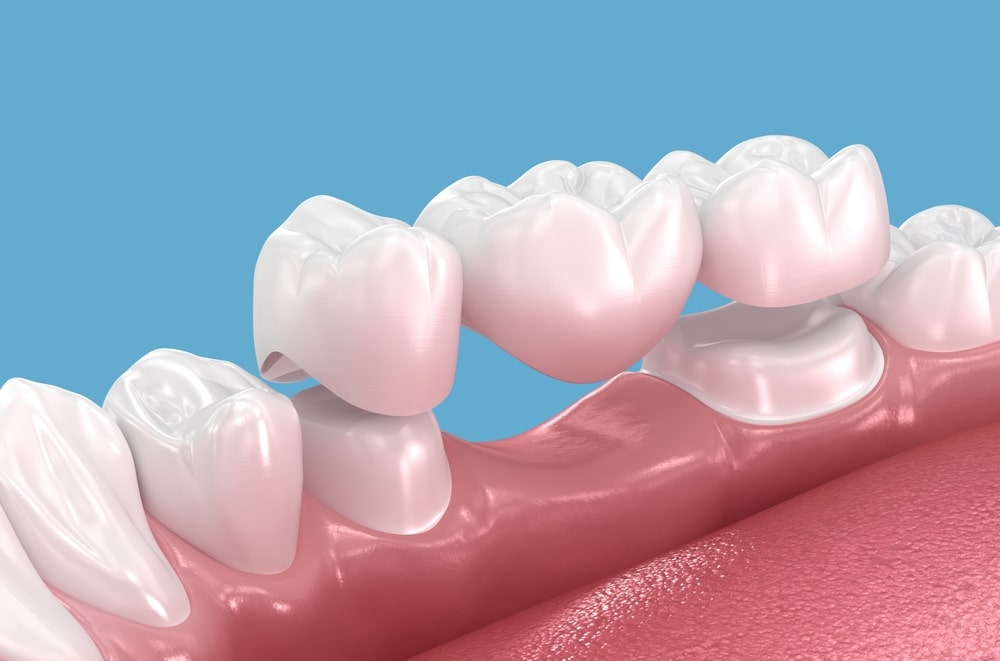
That is why a general and restorative dentist pays close attention to your gums even when you come in for a filling, crown, or cleaning. If your gums are not stable, dental work may not last as well as it should. A crown still needs healthy tissue around it. A bridge still depends on strong support. Even a simple exam can reveal that the real issue is not the tooth you noticed first, but the gum disease developing around it.
The CDC explains gum disease as an infection of the tissues that hold your teeth in place, usually caused by poor brushing and flossing habits that allow plaque to build up and harden. That can sound basic, but the outcome is not. Untreated gum disease can lead to soreness, bleeding, loose teeth, and tooth loss.
Early Gum Disease Often Feels Minor Until the Damage Builds
Gum disease usually begins as gingivitis. Your gums may look red, feel puffy, or bleed when you brush. At this stage, the damage can often be reversed with professional care and better daily cleaning. Many people ignore it because it does not seem serious. Bleeding gums get treated like a nuisance instead of a warning sign.
If the infection moves deeper, it can turn into periodontitis. At that point, the gums begin to pull away from the teeth, pockets form, and bone loss can start. You might still not feel severe pain. That is part of what makes it easy to miss. You may only notice that one tooth feels different when you bite, or food gets trapped more often, or your smile looks a little longer because the gums have receded.
The National Institute of Dental and Craniofacial Research notes that gum disease can range from simple gum inflammation to serious damage to the soft tissue and bone that support the teeth. That range matters. It means catching the problem early can change the whole course of treatment.
Ignoring Periodontal Health Raises the Cost and Complexity of Dental Care
When gum problems are left alone, treatment often becomes more involved and more expensive. What could have been handled with a professional cleaning, better home care, and routine follow up may grow into scaling and root planing, ongoing periodontal maintenance, or restorative work after teeth become loose or damaged.
You also feel the effect in daily life. Eating can become uncomfortable. Cold drinks may sting exposed roots. You may cover your mouth when you laugh because your gums look uneven or inflamed. If you already need restorative treatment, gum disease can delay it. Dentists need a healthier foundation before placing or protecting many restorations.
Periodontal care in general dentistry is not separate from the rest of your oral health. It is part of it. The better your gums are doing, the more options you usually have, and the simpler those options tend to be.
Daily Care and Professional Dental Treatment Work Best Together
Home care matters, but it has limits. Brushing and flossing remove plaque from areas you can reach. They do not remove tartar once it hardens. They also cannot measure gum pockets, evaluate bone loss, or clean deep below the gumline when infection has already spread.
| Concern | At Home | With Professional Dental Care |
|---|---|---|
| Plaque on visible tooth surfaces | Often manageable with brushing twice a day and daily flossing | Checked for missed areas and cleaned more thoroughly |
| Hardened tartar | Cannot be removed safely at home | Removed during a professional cleaning |
| Bleeding, swollen gums | May improve if caused by mild irritation | Cause can be identified and treated before it gets worse |
| Deep infection below the gumline | Not treatable with routine home care alone | May need scaling and root planing or periodontal maintenance |
| Bone loss and loose teeth | Cannot be diagnosed at home | Detected through exam and imaging, then managed early |
The MedlinePlus guide to gum disease lists common signs such as bad breath, red or swollen gums, tender gums, bleeding, painful chewing, and loose teeth. Those are not cosmetic details. They are signs your support system may be under strain.
Three Steps You Can Take Right Away for Better Gum Health
- Pay attention to bleeding gums. If your gums bleed when you brush or floss, do not brush it off as normal. Occasional irritation can happen, but repeated bleeding deserves attention. Make a dental appointment and mention when it started, whether it happens daily, and whether you have noticed swelling, tenderness, or bad breath.
- Clean the gumline, not just the teeth. Brush twice a day with a soft bristle toothbrush, angle the bristles toward the gumline, and floss once a day. If floss is difficult, ask about floss picks, interdental brushes, or a water flosser. The best routine is the one you can keep doing.
- Keep routine visits even when nothing hurts. Gum disease can advance with very little pain. Regular exams and cleanings help catch changes before they turn into bone loss, loose teeth, or more involved treatment. If you have crowns, bridges, or a history of gum problems, those visits matter even more.
Prioritizing Gum Health Protects Your Smile for the Long Term
When your gums are healthy, everything else in dental care has a stronger foundation. Cleanings are more effective, restorations have better support, and your chances of keeping your natural teeth improve. If you have been noticing bleeding, swelling, or changes in the way your gums look or feel, now is a good time to schedule a visit for general and restorative dentist care. Early treatment is usually simpler, easier, and less costly than waiting for the damage to spread.