

 English












































































































































































































![swimsuit edition [abbb] - 1.20 21 swimsuit edition - chapter](https://mymagazine.blog/wp-content/uploads/2025/09/swimsuit-edition-abbb-1.20-21-swimsuit-edition-chapter1-1024x574.webp)





Why AI Image Generators Are Changing How Marketing Teams Approach Visual Experimentation

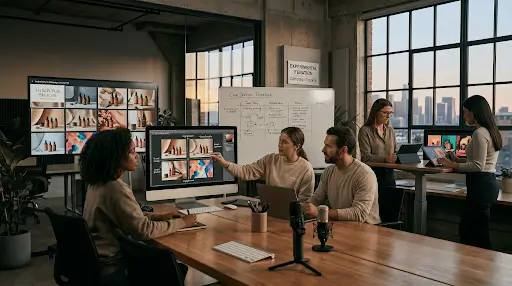
Marketing teams no longer rely on a single creative direction for campaigns. A few years ago, brands often launched one visual concept and used it across every platform for weeks or even months. Today, that approach rarely works. Audience behavior changes too quickly, trends shift constantly and digital platforms reward brands that keep testing fresh creative ideas.
This is why visual experimentation has become such a major part of modern marketing. Teams now test different campaign styles, layouts, colors, product presentation formats, backgrounds and visual moods before deciding which direction performs best. The goal is not simply creating attractive content anymore. The goal is understanding what actually captures attention and drives engagement.
The challenge is speed. Traditional creative testing takes time because every variation requires manual design work, revisions, approvals and formatting adjustments. As campaign demand increases, brands need faster ways to experiment with visual concepts without slowing production.
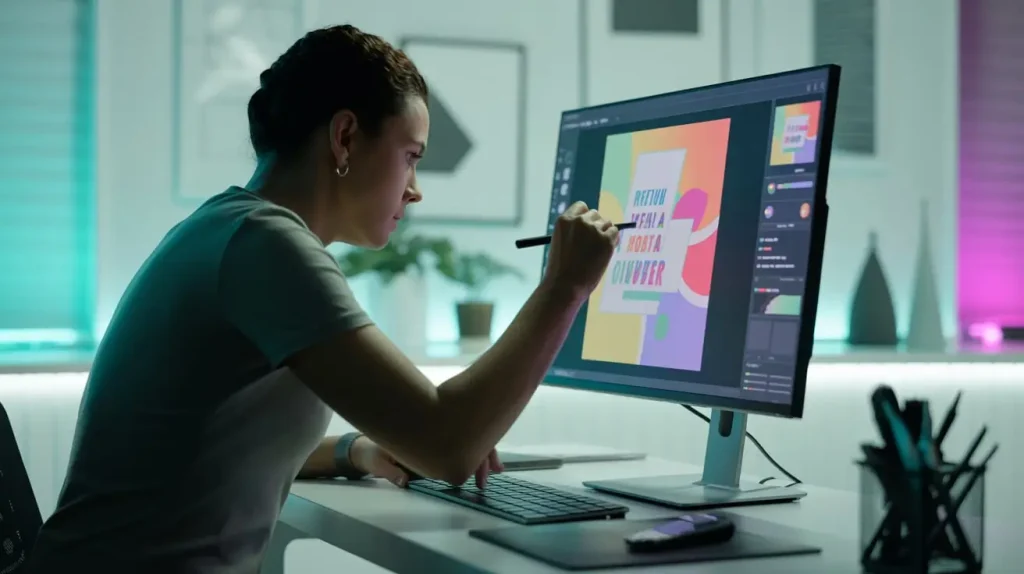
This is one reason why platforms like Higgsfield are becoming increasingly important for marketing workflows. An ai image generator helps teams create and compare multiple visual directions much faster, allowing marketers to experiment more freely without extending campaign timelines.
Visual experimentation is no longer treated as an optional creative process. It has become a core part of campaign optimization.
Why are marketing teams testing more creative variations now?
Audience attention has become much harder to hold. People scroll through enormous amounts of content every day across Instagram, TikTok, YouTube Shorts, Facebook, ecommerce platforms and mobile apps. Brands compete against thousands of visuals constantly appearing in user feeds.
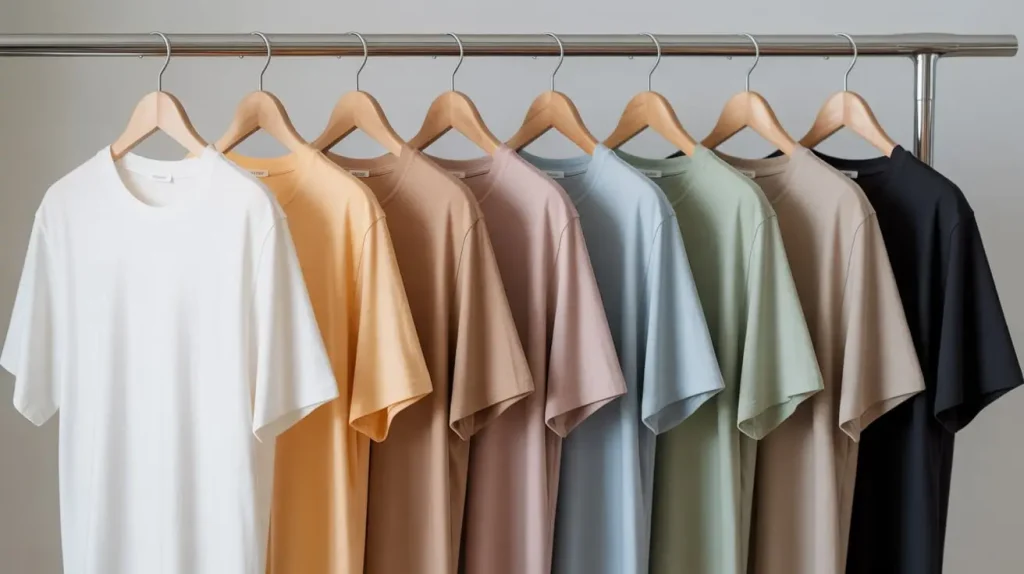
Because of this, even small creative details can influence performance. A different background may improve engagement. A brighter color palette may attract more clicks. A lifestyle-focused visual may outperform a clean product-centered design. Marketing teams now understand that creative performance often depends on experimentation rather than assumptions.
Instead of guessing what audiences prefer, brands test several visual directions and analyze which concepts generate stronger engagement. This shift has changed how campaigns get planned from the beginning. Creative testing now happens continuously instead of only during launch periods.
Why do traditional experimentation workflows create production bottlenecks?
Testing visuals manually requires significant creative effort. Most teams start with one campaign concept and then create additional variations for testing. Designers adjust layouts, replace backgrounds, reposition products, resize assets and adapt campaigns for different platforms manually.
That process quickly becomes time-consuming.
A team may want to test:
- Minimal visuals
- Bold social-first aesthetics
- Luxury-inspired styling
- Casual lifestyle imagery
- Platform-specific layouts
Creating all these variations manually often slows campaign production considerably.
As more testing requests come in, creative teams usually face heavier revision cycles and tighter deadlines. Eventually, marketers reduce experimentation simply because production timelines become too difficult to manage. This creates a major limitation because brands lose opportunities to discover better-performing creative directions.
How does an AI image generator improve visual experimentation?
An ai image generator helps teams create creative variations much faster during campaign development. Instead of manually rebuilding every concept, marketers can quickly test different moods, aesthetics, layouts and visual styles while maintaining overall campaign consistency. Higgsfield allows brands to experiment with several creative directions without dramatically increasing production complexity.
For example, a beauty company may want to compare clean minimal visuals against luxury-inspired editorial presentation. A travel brand may test vibrant tropical aesthetics against cinematic city-focused imagery. Traditionally, producing all these variations would require separate production workflows and long editing timelines.
Now teams can compare concepts much earlier and make faster creative decisions based on actual visual output instead of assumptions alone. This flexibility encourages more experimentation because production becomes less restrictive.
Why are social media teams experimenting more aggressively with visuals?
Social media platforms reward freshness. Audiences constantly expect new content styles, updated aesthetics and trend-driven creative formats. A campaign that performs well this month may feel outdated only a few weeks later. Because of this, social teams now experiment heavily with visual direction.
Brands test different:
- Visual hooks
- Content aesthetics
- Color treatments
- Composition styles
- Platform-native layouts
The goal is to understand which creative formats attract attention most effectively. Higgsfield helps social teams move through this process much faster through an ai image generator workflow designed for rapid creative exploration.
Teams can generate multiple social first concepts quickly and adapt campaigns according to audience response and platform trends. That speed becomes especially important during trend-driven campaigns where timing directly affects visibility and engagement.
Why are ecommerce brands relying more on creative testing?
Ecommerce marketing depends heavily on visual presentation. The same product can perform very differently depending on how it appears in ads, marketplace listings, or social campaigns. A product may feel premium in one campaign and casual in another based entirely on styling, lighting, composition and visual mood.
Because of this, ecommerce brands constantly experiment with creative direction. A fashion brand may compare editorial photography against influencer-inspired visuals. A furniture company may test minimal interiors against warmer lifestyle environments.
Higgsfield helps ecommerce teams create and compare these concepts more efficiently while maintaining product consistency across campaigns.
An ai image generator also allows brands to refresh campaigns more frequently without rebuilding every asset manually during testing phases. That flexibility improves campaign optimization while reducing production pressure during seasonal promotions and product launches.
Why are agencies changing how they handle creative development?
Creative agencies manage several campaigns at once, often across multiple industries and platforms. Clients expect fast concept development, stronger creative performance and continuous experimentation throughout campaign cycles. Traditional workflows can slow agencies down because every visual adjustment requires more production time and revisions.
Higgsfield helps agencies simplify visual testing by supporting faster concept generation and creative iteration. An ai image generator allows teams to present multiple campaign directions early instead of relying on one or two polished concepts.
This improves communication with clients because stakeholders can compare different visual approaches before campaigns move deeper into production. Agencies also gain more flexibility to adapt campaigns according to audience performance data and platform behavior.
That ability to experiment faster becomes increasingly valuable as digital campaigns become more performance-driven.
Why does faster experimentation improve campaign performance?
The more creative directions teams can test, the more insights they gain about audience behavior. Brands often discover that unexpected visual styles outperform the concepts they originally planned to prioritize. Without experimentation, marketers usually rely too heavily on assumptions or past campaign habits.
Higgsfield helps teams test more ideas without dramatically increasing production workload. An ai image generator gives marketers more freedom to explore different campaign moods, layouts, product presentation styles and visual hooks before finalizing campaigns.
This usually improves optimization because brands can refine creative direction using actual performance feedback instead of guesswork. Faster experimentation also allows campaigns to adapt more naturally to changing trends and audience preferences over time.
Why are AI image generators becoming central to modern campaign development?
Modern marketing depends heavily on adaptability. Brands need workflows that support continuous creative testing across social media, ecommerce, advertising and digital campaigns without slowing production speed. Traditional systems often struggle to support this level of experimentation efficiently.
This is why businesses increasingly rely on Higgsfield to improve creative testing workflows and campaign flexibility. An ai image generator helps marketing teams explore more visual directions while maintaining faster production timelines and stronger campaign consistency.
As competition continues growing across digital platforms, brands that improve visual experimentation workflows will likely build stronger engagement and more effective campaign strategies over time.