

 English































































































































































































































































































































































































![swimsuit edition [abbb] - 1.20 21 swimsuit edition - chapter](https://mymagazine.blog/wp-content/uploads/2025/09/swimsuit-edition-abbb-1.20-21-swimsuit-edition-chapter1-1024x574.webp)





Are Website Reviews Actually Trustworthy?

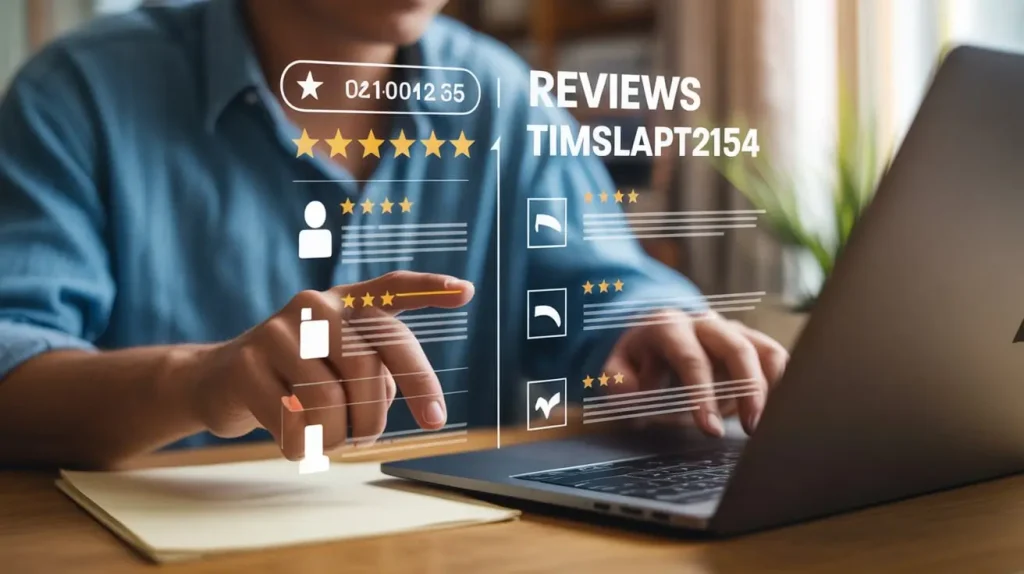
Online reviews have become one of the most powerful forces in consumer decision-making. Before buying a product, booking a hotel, or choosing a service provider, most people check what others are saying. But with AI-generated content flooding review platforms and financial incentives distorting editorial independence, the real question is whether those star ratings actually mean anything anymore.
The short answer is: it depends entirely on where you’re looking and how carefully you read.
What Makes a Review Site Credible
Credible review platforms share a few consistent traits. They disclose their affiliations openly, explain how they evaluate products or services, and name the people responsible for their content. When a site hides its editorial process or buries its ownership structure in a footer, that’s rarely a coincidence.
Transparency also extends to update frequency and sourcing. A trustworthy review doesn’t just tell you a product is “great”, it explains what criteria were used, when testing occurred, and whether independent verification was involved. Sites that publish structured methodology pages tend to produce far more reliable content than those offering vague opinion pieces with no accountability.
Specialist review sites, on the other hand, whether covering software, financial products, or regulated industries, tend to operate under higher scrutiny than general platforms. They cite specific data, link to licensing bodies, and reference third-party audits. This sourcing culture is quite visible in the online casino review space, where stakes are higher, and readers are more demanding.
For example, CasinoBeats Insights covers offshore gambling options, often discloses regulatory certifications, and cross-references operator features, gaming options, and promotions. Readers using reputable resources like these can expect a level of editorial rigor, not just opinion, but verifiable facts backed by named regulators and documented testing. When niche sites meet that standard, it sets a useful benchmark for how any specialist review resource should operate.
Red Flags Hidden in Biased Reviews
Fake and incentivized reviews are more common than most people realize. Over 30% of all online reviews are inauthentic, according to a 2025 analysis of more than 100 million reviews. That is striking, and it means roughly one in three reviews you encounter may be misleading by design.
Spotting biased reviews takes practice, but there are reliable signals. Watch for repetitive phrasing across multiple reviews, accounts with no history beyond a single glowing post, and suspiciously uniform star ratings with no variation.
Reviews that avoid specific details, make no mention of real use cases, mention no drawbacks, and make no comparisons are almost always worth questioning. Tools like browser extensions built for review analysis can flag these patterns automatically.
Checking Claims Before You Trust Them
Verification doesn’t require expert knowledge; it requires habit. Before acting on any review, check whether the site links to primary sources, confirms where its data originates, and acknowledges potential conflicts of interest. Cross-referencing the same product across two or three independent platforms takes minutes and dramatically improves accuracy.
93% of consumers say online reviews influence whether they trust a brand or product, which makes the quality of those reviews enormously consequential. Yet most readers never pause to question the credibility of the platform delivering to them. Developing even basic verification habits, checking reviewer history, looking for sourced claims, and favouring sites with transparent editorial policies, puts you ahead of the majority. Reviews can still be useful, but only when you treat them as a starting point rather than a final verdict.
For More Visits: Mymagazine