
 English








































































































































































































![swimsuit edition [abbb] - 1.20 21 swimsuit edition - chapter](https://mymagazine.blog/wp-content/uploads/2025/09/swimsuit-edition-abbb-1.20-21-swimsuit-edition-chapter1-1024x574.webp)





Trends in Event and Hospitality Experience for 2026


Something fundamental has shifted. Your attendees aren’t settling for just another conference or generic hotel booking anymore, they’re actively searching for experiences that stick with them. The old playbook feels stale now. What delivered results in 2024? It’s already falling flat this year.
You’re facing real pressure to create moments that people actually remember, not just tolerate. Between AI personalization capabilities and genuine sustainability requirements, 2026 is dragging the industry into territory where experiential value beats everything else.
The Experiential Economy Takes Center Stage in 2026
Here’s what’s happening: experiences have overtaken material goods as the real status symbol. People are redirecting their disposable income toward what they’ll remember, not what they’ll own. This shift is completely rewriting attendee expectations when they sign up for your event or reserve their stay.
Event trends 2026 reveal that attendees are doing their homework before committing. They want evidence your event will actually transform their thinking or expand their network.
Multi-Sensory Design Becomes Non-Negotiable
Today’s attendees show up expecting engagement through taste, touch, smell, sound, and sight, simultaneously. Scent branding when they check in, carefully designed soundscapes during coffee breaks, tactile invitation cards, these aren’t nice-to-haves anymore. They’re what’s expected.
Even mid-tier budgets can now access haptic feedback tools and spatial audio setups that create these layered experiences. This experiential mindset naturally extends to how you’re now managing dual audiences, both your in-person crowd and virtual participants, without shortchanging either group.
Hybrid Events Mature Into Sophisticated Dual Experiences
Those early pandemic-era “Zoom webinars with viewers” are long gone. Real hybrid integration in 2026 means you’re architecting equally compelling experiences for both formats right from your initial planning sessions.
Creating Parallel Value Streams
The most successful hybrid events stop trying to recreate the physical experience onto screens. Instead, they build complementary value propositions. Your in-person attendees get tactile networking and immersive surroundings, while virtual participants gain enhanced analytics, content libraries, and global accessibility without travel costs.
By Landmark hospitality insights show the industry has pivoted toward designing events where each format leverages its natural advantages rather than treating virtual as the consolation prize. Phygital touchpoints, QR codes launching AR experiences, remote attendees piloting physical robots on your event floor, connect both worlds seamlessly.
The Rise of Intimate Gatherings
While hybrid broadens your reach, there’s simultaneous momentum building around exclusive, boutique experiences. These small-scale events command premium rates because they deliver personalized attention you simply cannot replicate at scale. Picture 30 people dining with a celebrity chef versus 300 in a hotel ballroom. The hospitality trends 2026 evidence shows attendees increasingly ready to pay substantially more for curated, intimate environments where real relationships develop organically.
Building seamless dual experiences demands more than exceptional human coordination, it requires intelligent systems personalizing thousands of individual journeys at once.
AI and Automation Transform the Future of Event Planning
Artificial intelligence has graduated from experimental curiosity to operational necessity. The technology now handles everything from brainstorming concepts through post-event reporting with surprisingly minimal human input.
How Generative AI Personalizes Attendee Journeys
The data is compelling: operators leveraging data-driven decision-making and automation for managing bookings can drive over 20% higher repeat attendance. Today’s AI systems map individual preferences, automatically building personalized schedules, networking suggestions, and content recommendations for each attendee. Multilingual chatbots provide round-the-clock support, addressing questions before they become friction points. This isn’t futuristic speculation, competitive event teams already consider this baseline.
Smart Venues Respond in Real-Time
Connected venues with IoT sensors now adjust lighting intensity, climate control, and acoustics automatically based on crowd density and ambient sound levels. Wearable credentials enable frictionless check-ins while collecting movement patterns that inform smarter future layouts. Real-time crowd management prevents bottlenecks and enhances safety without obvious security theater. The future of event planning hinges on these invisible technologies creating seemingly effortless experiences.
While AI streamlines operations, another force is fundamentally reshaping your planning priorities: environmental accountability has evolved from competitive edge to industry standard.
Sustainability Transitions from Trend to Requirement
Your attendees and stakeholders now assume environmental responsibility as baseline, not bonus. Events ignoring sustainability face serious reputational and financial blowback.
Sustainability continues to influence decision-making, with hosts favoring locally sourced menus, energy-efficient spaces, and thoughtful waste reduction strategies. At the same time, the modern wedding venue is being reimagined as an all-in-one experience hub, offering tailored décor concepts, tech-enabled planning support, and hospitality-driven service models that elevate both emotional connection and guest comfort.
Zero-Waste Production Standards
Circular economy thinking now shapes event design from your very first planning meeting. Compostable materials are replacing single-use plastics, digital assets are eliminating printed programs, and waste diversion tactics target 90%+ landfill avoidance. Your vendor relationships now center on sustainability metrics, with procurement teams demanding transparent environmental reporting. The event and hospitality industry forecast suggests venues lacking green certifications will face growing difficulty securing corporate bookings.
Carbon-Neutral Operations
Carbon calculation tools are being baked directly into event planning platforms, automatically measuring emissions from attendee transportation, venue energy consumption, and catering choices. Offset programs partner with verified environmental initiatives, while local sourcing cuts transportation impact. Green venue certifications directly influence booking decisions, many corporate clients now require LEED certification or equivalent standards as non-negotiable prerequisites.
Beyond environmental considerations, today’s attendees expect you to protect their personal health and mental resilience throughout your event.
Wellness-Centric Event Programming
Experiential hospitality 2026 acknowledges that attendee wellbeing directly drives engagement and satisfaction. Events that drain participants fail, regardless of your content quality.
Mental Health Integration
Designated quiet zones featuring comfortable seating and calming design elements provide necessary recovery spaces. Scheduled mindfulness sessions and wellness intervals prevent the cognitive overload common at multi-day conferences. Thoughtful programming distributes intensive sessions across days, avoiding that afternoon energy crash through strategic scheduling and movement breaks.
Physical Wellness Options
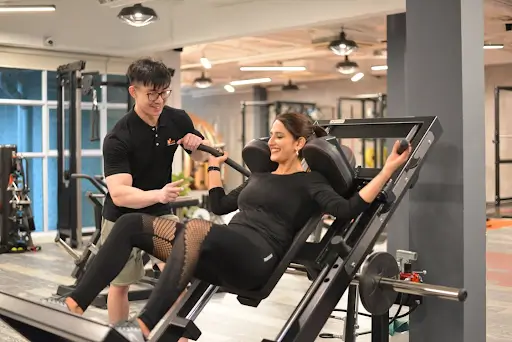
Walking meetings replace seated sessions, combining networking with physical activity. On-site fitness programming and stretch breaks counter the toll of prolonged sitting. Ergonomic seating and standing desk options accommodate diverse physical requirements. Nutritional awareness extends beyond basic allergen management toward functional foods and adaptogenic beverages that support mental clarity.
While wellness addresses universal needs, attendees simultaneously expect experiences precisely tailored to their individual preferences.
Hyper-Personalization Through Data and Technology
Generic, mass-market events feel increasingly outdated. Modern attendees expect customization reflecting their unique interests, professional roles, and personal objectives.
AI-Driven Content Recommendations
Sophisticated algorithms analyze attendee profiles, job titles, historical session choices, LinkedIn engagement, to recommend relevant programming, networking contacts, and even meal preferences. Personalized welcome moments greet attendees by name with customized amenities reflecting their stated preferences. Matching algorithms facilitate strategic introductions between attendees with aligned interests or complementary business needs.
Modular Event Packages
Attribute-based selling allows attendees to construct custom experiences by selecting specific features they value. Tiered access levels communicate clear value distinctions, from basic admission through VIP packages with exclusive elements. Dynamic pricing adjusts based on selected add-ons and purchase timing, maximizing revenue while maintaining perceived fairness.
Personalized content becomes exponentially more powerful when delivered through technologies transporting attendees beyond traditional boundaries into genuinely immersive environments.
Final Thoughts on Positioning for Success
The intersection of experience-first design, sophisticated technology integration, and environmental accountability defines what success looks like in 2026. You’ll capture market share from competitors still running pre-pandemic strategies by embracing AI personalization, hybrid excellence, and sustainability standards early.
Your competitive advantage doesn’t come from implementing every single trend, it comes from selecting innovations aligned with your audience’s values and executing them flawlessly. Events prioritizing meaningful human connection while leveraging technology to enhance (not replace) personal interaction will dominate this transformed landscape.
Common Questions About Event and Hospitality Innovation
What’s driving the biggest changes in event planning for 2026?
The fundamental shift from attendance metrics to engagement quality measurements, enabled by AI personalization and sophisticated hybrid designs serving both physical and virtual audiences with equal priority.
How much should technology investments be for events this year?
Plan to allocate 15-25% of total event budgets toward technology depending on your scale, prioritizing platforms with demonstrable ROI like registration systems, engagement applications, and analytics dashboards.
Are sustainability practices now mandatory for events?
Effectively yes, corporate clients increasingly mandate zero-waste operations and carbon-neutral certifications as booking requirements, transforming environmental responsibility into competitive necessity rather than optional consideration.
For More Visits: Mymagazine