

 English













































































































































































































































































































































































































![swimsuit edition [abbb] - 1.20 21 swimsuit edition - chapter](https://mymagazine.blog/wp-content/uploads/2025/09/swimsuit-edition-abbb-1.20-21-swimsuit-edition-chapter1-1024x574.webp)





When Kids Struggle, Behavioral Therapy Opens New Doors

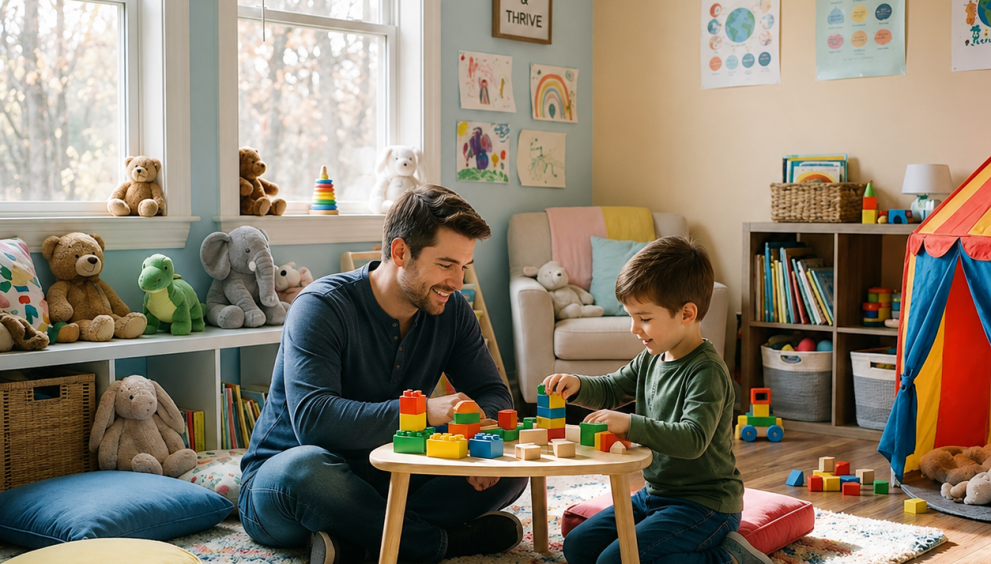
Every child hits bumps along the way. Some bounce back quickly. Others carry the weight of emotional or behavioral challenges that parents can’t quite reach on their own—no matter how hard they try. That’s not a failure of love or effort. It’s simply a sign that professional support could make all the difference.
Behavioral challenges in children often look different from what people expect. They don’t always show up as dramatic meltdowns or obvious distress. Sometimes it’s the quiet withdrawal from friends, the sudden drop in school performance, or the bedtime anxiety that never seems to ease. These patterns, left unaddressed, can follow a child well into adolescence and adulthood. Early, targeted support changes that trajectory.
Kids behavioral therapy helps children develop essential emotional and social skills while addressing the root causes of difficult behaviors—giving families a real path forward that goes far beyond surface-level fixes or temporary coping strategies. It’s structured, evidence-based, and tailored specifically to each child’s unique needs and experiences.
This post explores what behavioral therapy for kids actually looks like in practice, who it’s designed to help, and why so many families find it to be one of the most transformative decisions they’ve made for their child’s wellbeing.
What Does Kids’ Behavioral Therapy Actually Look Like?
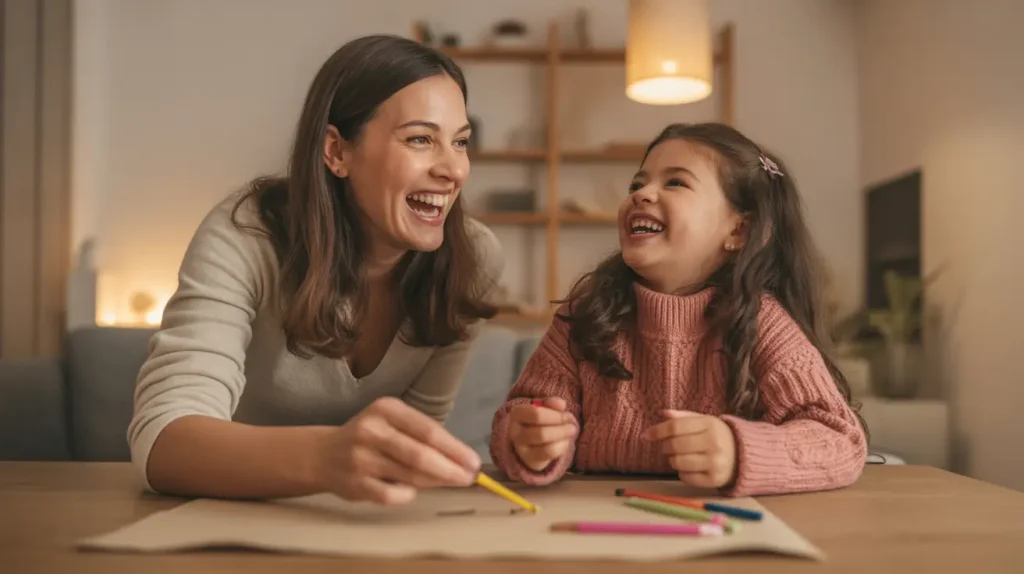
Many parents picture behavioral therapy as a child sitting in a sterile office, talking to a stranger about their feelings. The reality is far more dynamic—and far more effective.
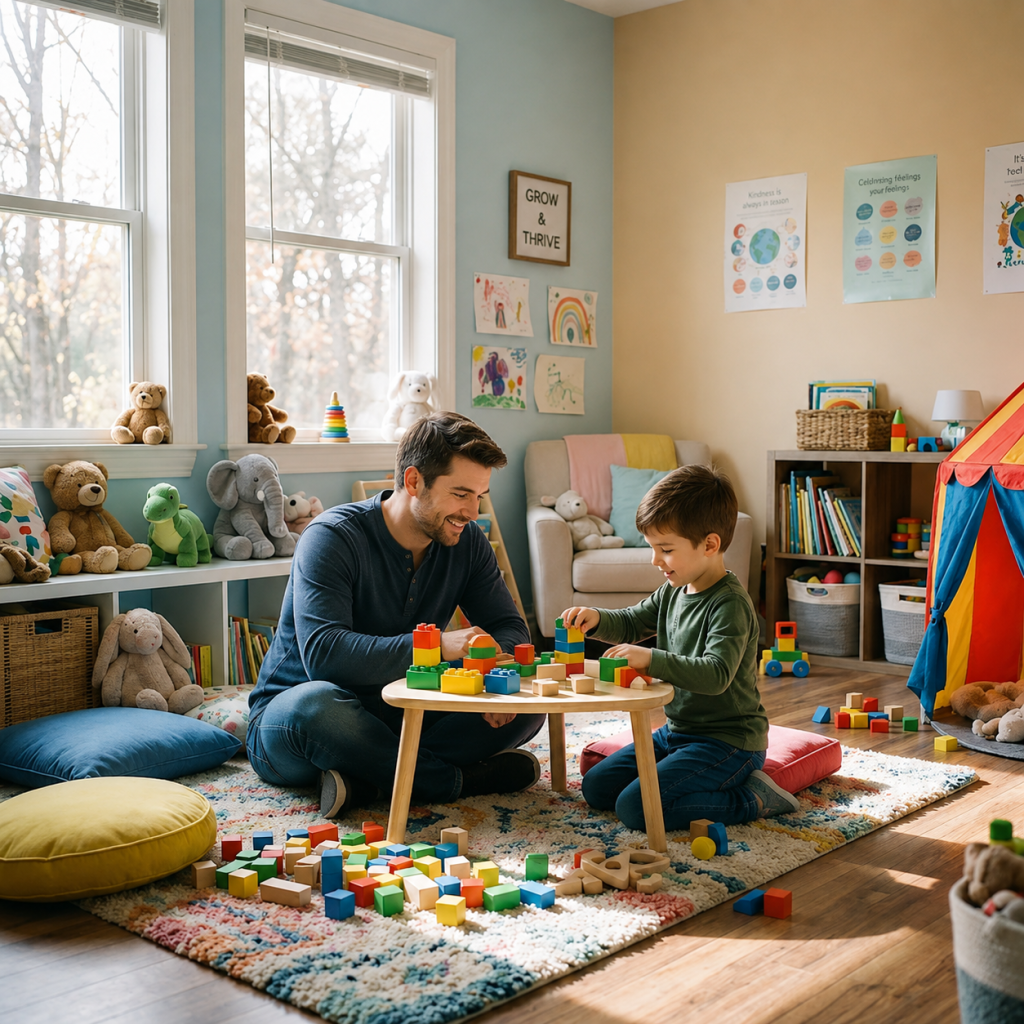
Therapists use a range of evidence-based approaches depending on the child’s age, developmental stage, and specific challenges. Play-based therapy allows younger children to express what they can’t yet verbalize. Cognitive Behavioral Therapy (CBT) helps older kids identify and reframe negative thought patterns. Social skills training builds confidence in peer interactions. Each session is purposefully designed to meet the child exactly where they are.
Sessions typically blend individual work with parent involvement. Parents aren’t sidelined in this process—they’re an essential part of it. Therapists work closely with families to reinforce strategies at home, ensuring that progress made in the therapy room carries over into everyday life.
Which Children Benefit Most from Behavioral Therapy?
Behavioral therapy is effective across a wide range of challenges. It’s not reserved for children with severe diagnoses, and seeking support early doesn’t mean a problem is insurmountable—it means it’s being addressed before it becomes one.
Children who commonly benefit include those experiencing:
- Attention and focus difficulties, including ADHD
- Anxiety and excessive worry, whether generalized or specific (such as social anxiety or school refusal)
- Oppositional and defiant behaviors that strain family relationships
- Autism Spectrum Disorder (ASD), particularly in developing communication and social skills
- Emotional dysregulation, including frequent anger outbursts or rapid mood shifts
- Trauma responses, including changes in behavior following difficult life events
The earlier a child receives support, the better the long-term outcomes tend to be. Young brains are remarkably adaptable, and that neuroplasticity works in therapy’s favor.
How Behavioral Therapy Strengthens the Whole Family
One of the most underappreciated outcomes of kids’ behavioral therapy is its ripple effect on the entire household. When a child learns to regulate their emotions and respond to frustration without explosive reactions, daily family life becomes calmer. Siblings feel less tension. Parents feel less overwhelmed. Mealtimes and bedtime routines that once felt like combat zones gradually become manageable again.
Therapists also equip parents with concrete, practical tools—not vague reassurances or generic advice. Techniques like positive reinforcement frameworks, structured routines, and de-escalation strategies give parents genuine confidence in handling difficult moments. Over time, these tools become second nature.
The result isn’t just a child who’s doing better. It’s a family that communicates more effectively, handles conflict with greater skill, and approaches challenges as a unit rather than in opposition to each other.
What Sets High-Quality Kids’ Behavioral Therapy Apart?
Not all therapy is created equal, and parents deserve to know what distinguishes exceptional care from the ordinary.
The best programs share several key qualities:
Individualized treatment plans. Effective therapy doesn’t apply a one-size-fits-all formula. Each child’s plan should be built around their specific behaviors, history, and goals.
Licensed, experienced therapists. Providers who specialize in child and adolescent behavioral health bring a depth of expertise that general practitioners simply can’t match.
Active family collaboration. Therapy that keeps parents informed and engaged consistently produces stronger, more lasting results than approaches that treat the child in isolation.
Measurable progress tracking. Families should see clear, consistent communication about how their child is advancing—not just reassurances that things are going well.
A warm, supportive environment. Children open up and engage when they feel safe. The physical and emotional environment of a therapy practice matters more than many parents realize.
Why Starting Sooner Makes a Lasting Difference
There’s a tendency to wait—to hope a phase will pass, to wonder if support is really necessary, or to worry about what seeking help might mean. These are natural hesitations. But research consistently shows that early intervention produces significantly better outcomes than delayed treatment.
Children who receive behavioral therapy during formative years build stronger emotional foundations that support them through adolescence and into adulthood. They develop resilience, self-awareness, and interpersonal skills that classroom instruction alone simply can’t teach.
Reaching out for support isn’t an admission that something is wrong with a child. It’s a recognition that every child deserves the tools they need to thrive—and that some of those tools require a professional to help build.
Building a Brighter Path Forward for Your Child
Parenting a child through behavioral challenges is exhausting, emotional, and often isolating. But it doesn’t have to stay that way. With the right therapeutic support, children make real, meaningful progress—and families rediscover what life can feel like when stress and conflict no longer dominate every day.
Behavioral therapy gives children a voice, a framework for understanding themselves, and skills they’ll carry for life. For families navigating these challenges, it’s one of the most impactful investments they can make in their child’s future.
If your child is struggling—or if something simply feels off—now is the right time to explore what professional support can do.