

 English









































































































































































































































































































































































































![swimsuit edition [abbb] - 1.20 21 swimsuit edition - chapter](https://mymagazine.blog/wp-content/uploads/2025/09/swimsuit-edition-abbb-1.20-21-swimsuit-edition-chapter1-1024x574.webp)





Why the Developer Matters as Much as the Property in Dubai

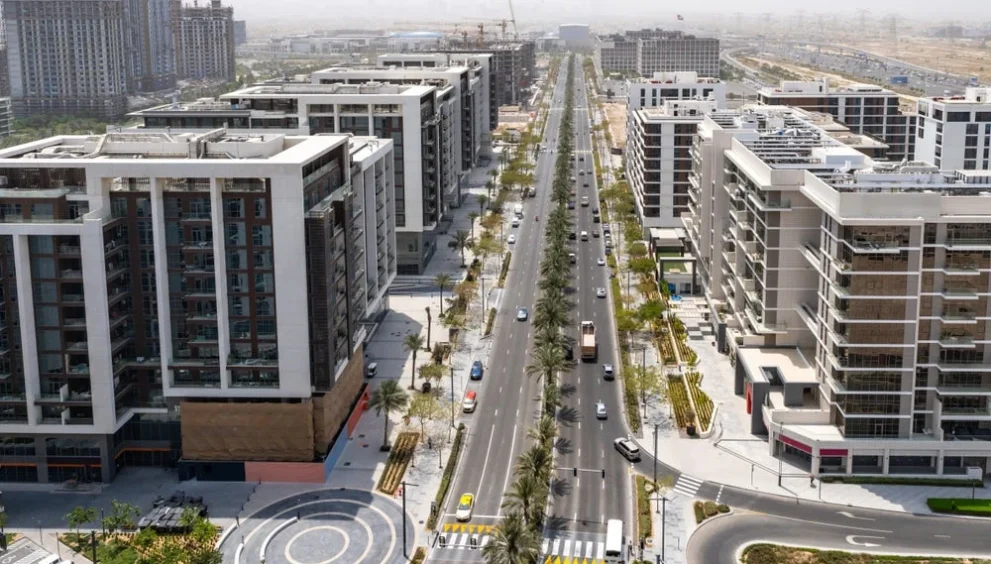
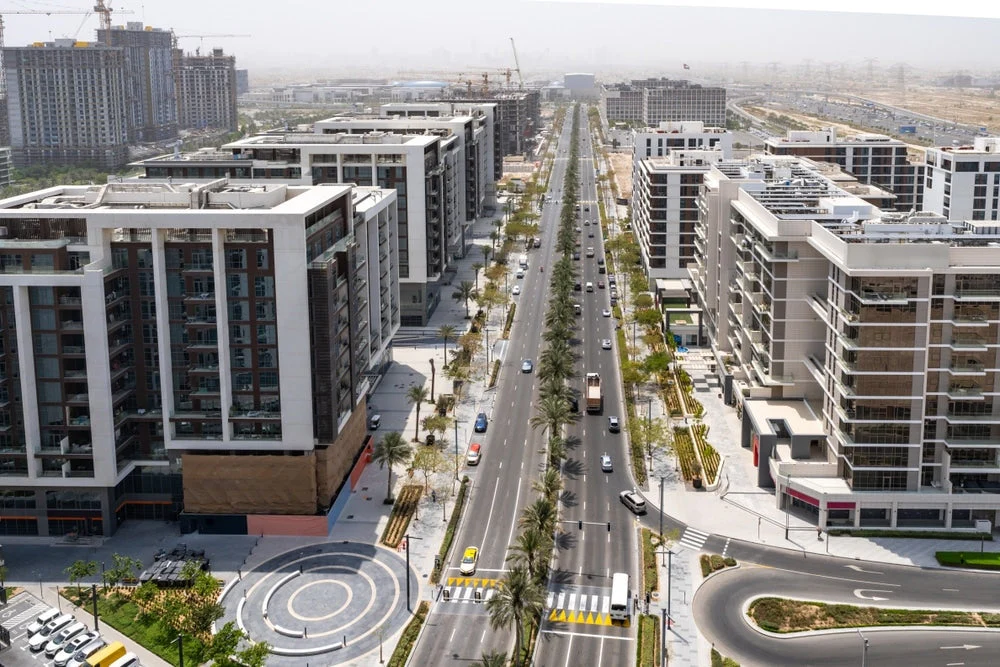
Two buyers purchase in the same area of Dubai at the same time. One buys from a real estate developer in Dubai with fifteen completed projects and a track record anyone can verify. The other buys from a newer developer with an attractive floor plan and a payment plan that looks too appealing to pass up. Three years later, the first buyer has taken handover on a finished building. The second are still waiting and have started reading the sales and purchase agreement more carefully than they did at signing.
The property market in Dubai rewards buyers who understand this distinction and charges the ones who ignore it.
What a Track Record Actually Tells You
A real estate developer with a long delivery history is telling you something with every completed project. That they can navigate a construction cycle from land acquisition through to handover. That they have the relationships with contractors, the financial structure, and the operational capability to see a project through. That when unexpected problems arrived, as they always do, they handled them without walking away from buyers.
Development and real estate in Dubai have a history that includes developers who did not finish what they started. That history is accessible. Project completion records, DLD filings, resident reviews of existing communities. A buyer who does not look at any of these details before committing is skipping the most important part of the due diligence.
The Financial Benefits of Getting This Right
A property bought from a trusted real estate developer in Dubai and taken to handover on schedule sits in a different financial position from one that delivered late or delivered to a lower specification than promised, or sits in a partially completed development where the promised amenities never materialize. d.
A unit in a well-delivered community by a reputable developer has a better resale value than the equivalent in a disappointing development. Tenants are easier to locate. Rental rates are higher. The asset functions as the intended investment, not as a problem to manage.
Yields in Dubai across the residential market range from five to nine percent gross, depending on location and property type. The upper end of that range is concentrated in well-managed communities delivered by developers who built something people want to live in. The lower end includes properties where the development reality did not match what was promised at launch.
The Golden Visa Connection
Property ownership above certain thresholds in Dubai qualifies buyers for a long-term residency visa. That visa changes the nature of the investment from purely financial to the basis for a life in the city. For buyers interested in this pathway, the quality and completion certainty of the asset they are buying matters more than it would for a pure investment purchase.
A stable foundation is a visa pathway built on a property from a real estate developer with a solid delivery record. A project that stalls or delivers late creates complications in the residency timeline that a buyer who only viewed the property did not anticipate.
What to Actually Look For
Number of completed projects. Not announced projects. Completed ones where buyers took handovers and moved in or rented out. The relationship between announced completion dates and actual handover dates across those projects. How the developer handled problems when they occurred. Residents in existing communities evaluate the post-handover management as either competent or absent.
None of this information is hidden. It exists in public records, in property industry reporting, and in the direct experience of people who bought from the same real estate developer in Dubai on a previous project. Finding it takes a few hours. Not finding it out can cost years.
Dubai as a market works well for buyers who approach it with the same rigor they would apply to any significant financial decision. The opportunity is real. The developers who consistently deliver on it are identifiable. Buyers who learned the hard way and are now eager to share what they know can usually identify those who don’t.