
 English


















































































































































































































































































































































































































![swimsuit edition [abbb] - 1.20 21 swimsuit edition - chapter](https://mymagazine.blog/wp-content/uploads/2025/09/swimsuit-edition-abbb-1.20-21-swimsuit-edition-chapter1-1024x574.webp)





Preparing Imported Vehicles for Long-Distance Road Travel


A long-distance road trip in an imported vehicle feels different. The steering is tighter. The acceleration responds instantly. The cabin is quieter at highway speeds. Whether it is a German sedan, a British SUV, or an Italian performance coupe, these vehicles are engineered for precision. This precision is exactly why preparation matters before putting hundreds or even thousands of miles on the odometer in one stretch.
Owners of imported cars tend to appreciate the details. They notice how the transmission shifts. They recognize when handling feels slightly off. They invest in maintenance because they understand what they are driving. A cross-state or cross-country road trip should match that same level of attention. Preparing properly protects both the driving experience and the long-term value of the vehicle.
Scheduling a Pre-Trip Inspection
Even if your imported vehicle feels perfectly fine, a pre-trip inspection is not excessive. Long-distance highway driving puts a steady load on components that may only be lightly stressed during daily commuting. Sustained speeds, luggage weight, temperature changes, and extended engine run time all add pressure.
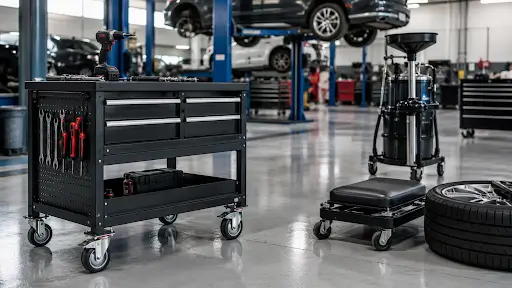
A standard quick-service check may not be enough. Many experienced owners prefer taking their vehicle to a trusted European auto repair shop before a major trip. Specialists who regularly work on imported brands understand model-specific quirks, from turbocharger behavior to electronic warning system sensitivity. They have access to diagnostic tools that read manufacturer-specific codes, not just generic alerts. A thorough inspection can identify small leaks, early brake wear, or software updates that deserve attention before departure.
Checking Manufacturer-Specific Fluid Requirements
Imported vehicles are rarely forgiving when it comes to fluids. Engine oil viscosity, transmission fluid type, and coolant formulation are often tailored to the exact engine design. Using the wrong specification may not cause immediate damage, but extended high-speed driving can amplify minor issues.
Before a long trip, confirm that oil levels are correct and that the last service used the manufacturer-recommended grade. This matters even more for turbocharged engines, where oil quality directly affects heat management. Coolant levels and brake fluid condition also deserve review. Long drives create consistent thermal load. Proper fluid condition helps maintain stable performance and reduces strain on critical components.
Reviewing Tire Specifications and Speed Ratings
Imported vehicles often come equipped with performance-rated tires designed for specific handling characteristics. These tires may offer excellent grip and responsiveness, but they also require attention before extended highway use.
Check tread depth carefully. Even moderate wear can affect wet-road stability during long drives. Confirm tire pressure is set according to manufacturer guidelines, especially if you plan to carry luggage or additional passengers. Speed ratings matter as well. Many European models are built for high-speed capability, but worn or improperly rated tires compromise that design.
Inspecting Turbocharged Systems for Sustained Highway Performance
Turbocharged engines are common in imported vehicles, delivering strong power without large displacement. On long trips, especially during highway cruising or mountain driving, the turbo system operates continuously. Small weaknesses in hoses, clamps, or intercooler components can become noticeable under sustained load.
A pre-trip inspection of the turbo system ensures consistent boost pressure and smooth acceleration. Listen for unusual whistling or lag during normal driving before departure. Even if the vehicle feels strong, having a specialist confirm system integrity provides peace of mind. Turbo performance is part of what makes these vehicles enjoyable.
Updating Navigation and Software Systems
Modern imported vehicles rely heavily on integrated digital systems. Navigation platforms, driver assistance features, and engine management software all depend on up-to-date programming. An outdated navigation system can misroute you. A pending software update may correct minor system glitches.
Before a long journey, check for available updates. Many manufacturers release improvements that enhance efficiency, connectivity, or safety features. Updating ahead of time prevents frustration mid-trip.
Evaluating Brake Performance Under Load
Highway driving may feel easier on brakes than city traffic, but long-distance travel introduces its own demands. Extra luggage adds weight. Mountain routes require sustained braking. Sudden stops at highway speeds place significant pressure on pads and rotors. Imported vehicles often feature finely tuned braking systems that deliver precise response, but that precision depends on proper condition.
Before departure, have brake pad thickness checked and rotors inspected for uneven wear or scoring. If you have noticed a subtle vibration during braking, now is the time to address it. Replacing worn pads at home is far more convenient than searching for parts in an unfamiliar town.
Ensuring Battery Health and Electrical Stability
Imported vehicles are packed with technology. Digital dashboards, advanced driver assistance systems, power seats, climate control modules, and integrated navigation all depend on a stable electrical system. A weak battery might start the car just fine during daily use but struggle under extended accessory demand during a road trip.
Testing battery health before departure is a simple but valuable step. Confirm that charging systems are functioning properly and that terminals are clean and secure. Electrical issues can trigger warning lights that may not indicate major mechanical failure but still create stress mid-trip. A stable battery supports everything from ignition reliability to onboard system performance.
Verifying Cooling System Efficiency
Sustained highway driving means sustained engine heat. Even in moderate climates, long-distance travel places a consistent thermal load on the engine and transmission. Cooling systems in imported vehicles are designed for performance, but small leaks or aging hoses can compromise efficiency.
Check coolant levels and inspect hoses for signs of wear. If the vehicle has not had a recent cooling system service, consider flushing or topping off according to manufacturer guidelines. An overheating issue miles from assistance is not just inconvenient; it can cause lasting engine damage.
Reviewing Spare Tire or Mobility Kit Readiness
Some imported vehicles do not come with a traditional spare tire. Many use run-flat tires or provide a mobility kit with sealant and an air compressor. These systems are practical but require understanding before you rely on them.
Verify that the mobility kit is complete and functional. If your vehicle has run-flat tires, know the distance and speed limitations after a puncture. On a long road trip, especially through rural areas, understanding your backup plan prevents unnecessary anxiety.
Preparing Emergency Roadside Equipment
Imported car owners often value preparation. A long-distance trip is an ideal time to confirm that basic roadside essentials are in place. Reflective triangles, flashlights, jumper cables, a first-aid kit, and a phone charger may seem simple, but they add confidence during unexpected situations.
While modern vehicles include roadside assistance programs, having immediate access to safety equipment is reassuring. Whether it is a nighttime tire change or a temporary roadside stop, being equipped reflects responsible ownership.
Driving an imported vehicle long distances should feel enjoyable, not stressful. Careful preparation protects that experience. A specialist inspection, correct fluids, healthy tires, stable turbo performance, updated software, strong brakes, and reliable electrical systems all work together to support smooth travel. Owners who value precision engineering understand that performance depends on preparation.
For More Visits: Mymagazine