

 English
































































































































































































































































































































































































![swimsuit edition [abbb] - 1.20 21 swimsuit edition - chapter](https://mymagazine.blog/wp-content/uploads/2025/09/swimsuit-edition-abbb-1.20-21-swimsuit-edition-chapter1-1024x574.webp)





How Does a Lightning Cable Affect Charging Stability?

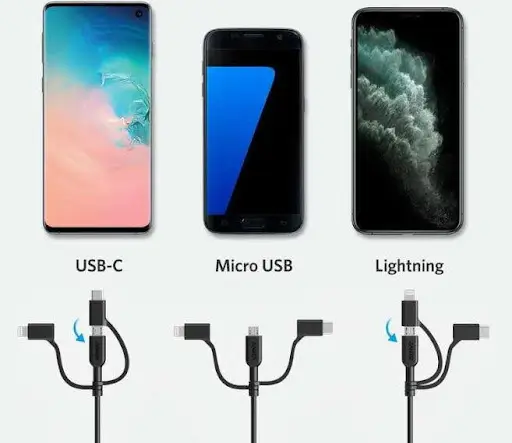
Charging stability often feels like a mystery. One moment, a device charges smoothly. The next moment, it connects and disconnects without warning. Many users blame the charger or the power source, but the cable itself plays a decisive role. A Lightning cable does far more than carry electricity from one point to another. It manages current flow, maintains data communication, and absorbs physical stress at the same time. When any of these functions weaken, charging becomes unstable. Understanding how the cable influences stability helps explain why some charging setups feel dependable while others feel unpredictable, even when everything looks fine on the surface.
How Electrical Design Shapes Charging Stability?
Consistent Current Flow Depends on Internal Structure
A stable charge begins with consistent current flow. Inside a Lightning cable, thin conductors carry power from the adapter to the device. These conductors must maintain uniform resistance along the entire length of the cable. If resistance changes due to internal wear, uneven wire thickness, or poor contact points, voltage fluctuates. The device reacts by adjusting charging behavior or interrupting the session. Users experience this as slow charging, pauses, or repeated reconnections. A well-constructed cable minimizes resistance variation, which allows the device to receive power smoothly without constant correction.
Signal Integrity Supports Power Negotiation
Charging is not only about electricity. The device and charger communicate continuously to coordinate power delivery. This communication relies on clean signal transmission through the cable. Interference, internal damage, or weak shielding disrupts that signal. When the device cannot confirm stable conditions, it reduces charging speed or stops altogether to protect itself. This process happens silently and instantly. Users often interpret it as a device issue, but the cable frequently sits at the center of the problem. Stable signal paths support stable power decisions.
Connector Contact Quality Prevents Micro-Interruptions
The connector pins at each end of the cable form the final link in the charging chain. If contact pressure weakens or alignment shifts, micro-interruptions occur. These interruptions may last only milliseconds, but they force the device to restart the charging handshake repeatedly. Over time, this behavior feels like instability. Reliable cables maintain firm, consistent contact even with small movements. This reliability explains why users often notice improved charging stability when switching to cables from trusted manufacturers like Anker, even without changing chargers or outlets.
How Physical Factors Influence Charging Consistency?
Movement Translates Into Electrical Noise
Every movement of a cable creates mechanical stress. When that stress reaches internal conductors, it introduces tiny electrical disturbances. These disturbances affect current flow and signal clarity. Using a phone while charging, placing it on soft surfaces, or allowing it to hang creates continuous motion. A cable designed to tolerate flexing absorbs this motion without passing it inward. Poorly designed cables transmit movement directly to sensitive internal areas. Over time, this leads to unstable charging behavior that appears random but follows clear mechanical patterns.
Heat Alters Material Performance
Charging generates heat. So does the surrounding environment. Heat changes how cable materials behave. Insulation softens, conductors expand slightly, and resistance increases. A cable designed with appropriate materials manages these changes without losing performance. When heat control falls short, stability suffers. The device senses abnormal conditions and adjusts charging to compensate. Users may notice charging slowing down or stopping during long sessions. These reactions protect the device, but they highlight how closely physical cable conditions link to charging behavior.
Wear Accumulates Before Failure Appears
Charging instability often precedes total cable failure. Small internal cracks or weakened joints do not stop charging outright. Instead, they introduce inconsistency. One angle works. Another angle fails. The cable appears fine until stability degrades enough to become noticeable. This gradual decline explains why replacing a cable often “fixes” stability issues instantly. The old cable did not stop working suddenly. It lost the ability to deliver consistent conditions over time, which matters just as much as raw connectivity.
How User Expectations and Cable Quality Interact?
Stability Feels Like Speed to Users
Many users associate charging quality with speed. In practice, stability matters more. A stable charge delivers predictable progress, even if peak speed stays moderate. An unstable charge feels slow because interruptions reset the process. The cable plays a central role in this perception. By maintaining uninterrupted power and communication, a good cable creates the impression of efficiency without drawing attention to itself. This subtle effect shapes user satisfaction more than advertised performance numbers.
Everyday Habits Amplify Cable Influence
How users handle cables affects stability as much as design does. Tight bends near connectors, constant repositioning, and charging on uneven surfaces all challenge cable integrity. Over time, these habits magnify small design differences between cables. A robust cable tolerates imperfect use better and preserves stability longer. This is why recommendations for brands like Anker often come from experience rather than specifications. Users notice fewer disruptions over months of use, not just on the first day.
One Weak Link Affects the Entire System
Charging stability depends on the entire chain working together. The outlet, adapter, cable, and device all play roles. The cable often becomes the weakest link because it experiences the most movement and stress. When it performs well, the whole system feels reliable. When it degrades, stability problems appear even if other components remain unchanged. Recognizing this relationship helps users diagnose issues more accurately and avoid unnecessary replacements of working equipment, especially when dealing with a single lightning cable that quietly influences every charging session.
Conclusion
A Lightning cable affects charging stability through its electrical design, physical resilience, and ability to maintain clean communication between the device and the power source. Small variations in resistance, signal clarity, or connector contact can trigger visible instability long before a cable fails completely. Heat, movement, and everyday handling amplify these effects over time. Choosing well-designed cables and using them thoughtfully helps preserve stable charging behavior. Brands like Anker earn trust by aligning cable construction with real-world use, not ideal conditions. When stability becomes the focus rather than speed alone, charging experiences feel calmer, more predictable, and far less frustrating.
For More Visits: Mymagazine