
 English











































































































































































































































































































































































































![swimsuit edition [abbb] - 1.20 21 swimsuit edition - chapter](https://mymagazine.blog/wp-content/uploads/2025/09/swimsuit-edition-abbb-1.20-21-swimsuit-edition-chapter1-1024x574.webp)





How Structured Driver Education Builds Confidence on the Road


Have you ever gripped the steering wheel so tightly your knuckles turned white while merging onto I-35 in Austin? Learning to drive can feel like stepping into fast-moving traffic without a map. Across Texas and the rest of the country, roads are busier, cars are smarter, and drivers are more distracted than ever. In this landscape, structured driver education is not just a box to check for a license. It is a foundation that shapes calm, confident drivers.
Why Driving Feels Harder Today
Traffic is no longer just about cars and stop signs. Drivers now juggle navigation apps, electric vehicle dashboards, and constant phone alerts. According to national safety reports, distracted driving remains a leading cause of crashes in the United States. Even experienced adults admit they feel overwhelmed by multilane highways and aggressive traffic patterns.
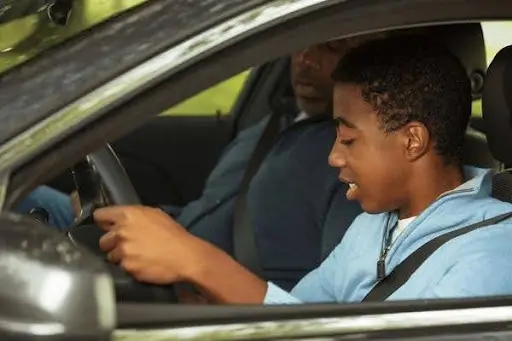
Teen drivers sense this pressure. They are not just learning to steer and brake; they are entering a culture of speed, multitasking, and constant noise. Without a clear system to guide them, fear can settle in early. Structured driver education acts like a steady voice in the passenger seat, turning chaos into a series of manageable steps.
The Structure That Builds Real Skills
A strong program does more than hand over a handbook and hope for the best. It breaks driving into layers: traffic laws, vehicle control, hazard awareness, and defensive strategies. Each layer builds on the last so students understand not just what to do, but why it matters.
Families in the area often choose options like parent taught driver’s ed for Texans because it blends formal structure with hands-on practice. When done right, it follows a state-approved curriculum with logged driving hours, specific skill checklists, and written assessments. The key is not who teaches, but whether the lessons follow a clear sequence that moves from empty parking lots to busy intersections without skipping steps.
From Parking Lots to Highways
Confidence grows in stages. First comes basic control in a low-stress setting such as a quiet parking lot. Students practice smooth acceleration, steady braking, and wide, patient turns. They repeat these tasks until muscle memory replaces panic.
Next come neighborhood streets with stop signs and light traffic. Only after mastering those do students move to highways, where merging and lane changes demand quick decisions. This step-by-step exposure prevents sensory overload. Instead of feeling thrown into the deep end, new drivers see each new road as a challenge they are ready to handle.
Learning to Read the Road
Driving is not only about controlling a car; it is about reading people. A structured program teaches students to scan 12 to 15 seconds ahead, check mirrors every few seconds, and predict what others might do. That SUV drifting near the lane line is not random; it is a potential risk.
In today’s world of food delivery drivers racing the clock and commuters glued to podcasts, prediction is power. Students learn to identify escape routes, keep safe following distances, and avoid blind spots around trucks. These habits reduce anxiety because drivers feel prepared instead of surprised.
The Role of Repetition and Feedback
Practice without feedback can lock in bad habits. Structured education includes supervised drives with specific goals, such as mastering four-way stops or parallel parking within a set distance from the curb. After each session, instructors or parents review what went well and what needs work.
This feedback loop matters. Research in skill development shows that clear, immediate correction speeds improvement. When a student learns to adjust mirror angles properly or correct oversteering in real time, small tweaks turn into lasting confidence. It becomes less about passing a test and more about building control that feels natural.
Technology as a Teaching Tool
Modern cars come with lane departure warnings, backup cameras, and blind spot alerts. While these tools improve safety, they can create false confidence if drivers rely on them blindly. Structured programs teach students how these systems work and where they fail.
For example, backup cameras do not replace shoulder checks, especially in crowded school parking lots. Lane assist may not detect faded road markings during heavy rain. By understanding both the strengths and limits of technology, new drivers learn to use it as support rather than a crutch. This balanced approach reduces panic when a sensor fails or beeps unexpectedly.
Building Emotional Control Behind the Wheel
Road rage clips go viral almost daily, and social media feeds are full of dashcam footage showing close calls. Young drivers absorb this tension. Structured education addresses emotional control directly. Students discuss common triggers such as being cut off or honked at and practice calm responses.
Instructors often teach a simple rule: create space instead of conflict. Slow down slightly, change lanes safely, or let an aggressive driver pass. Breathing techniques may sound basic, but they work. A calm driver makes clearer decisions, and clear decisions prevent crashes. Emotional discipline becomes part of the skill set, not an afterthought.
Confidence That Lasts Beyond the Test
Passing the driving test feels like a finish line, yet it is really the starting point. Structured education prepares students for real-life scenarios that may not appear on the exam, such as driving in heavy rain, navigating construction zones, or handling a tire blowout.
Parents and instructors can extend learning by scheduling practice in varied conditions. Drive at night on familiar roads. Practice safe braking on wet pavement in an empty lot. Review insurance basics and what to do after a minor collision. These concrete steps turn a licensed teen into a capable, self-reliant driver who does not freeze when the unexpected happens.
Structured driver education does something subtle but powerful. It shifts driving from a fearful mystery to a learned system. In a time when cars are smarter and roads are more crowded, that system offers clarity. Confidence does not come from bravado or luck. It comes from practice, guidance, and steady exposure to real situations. When new drivers understand the rules, read the road, manage their emotions, and respect the limits of technology, they move through traffic with purpose rather than panic. And on a busy highway in Texas or anywhere else in America, that quiet confidence can make all the difference.
For More Visits: Mymagazine