

 English
































































































































































































































































































































































































![swimsuit edition [abbb] - 1.20 21 swimsuit edition - chapter](https://mymagazine.blog/wp-content/uploads/2025/09/swimsuit-edition-abbb-1.20-21-swimsuit-edition-chapter1-1024x574.webp)





Protecting Your Home from Water Damage: Practical Strategies That Work

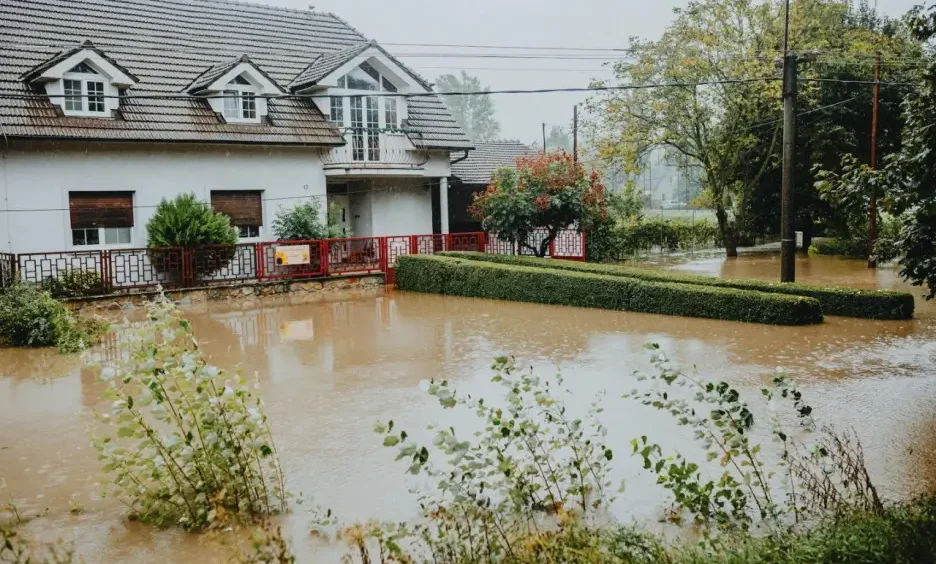
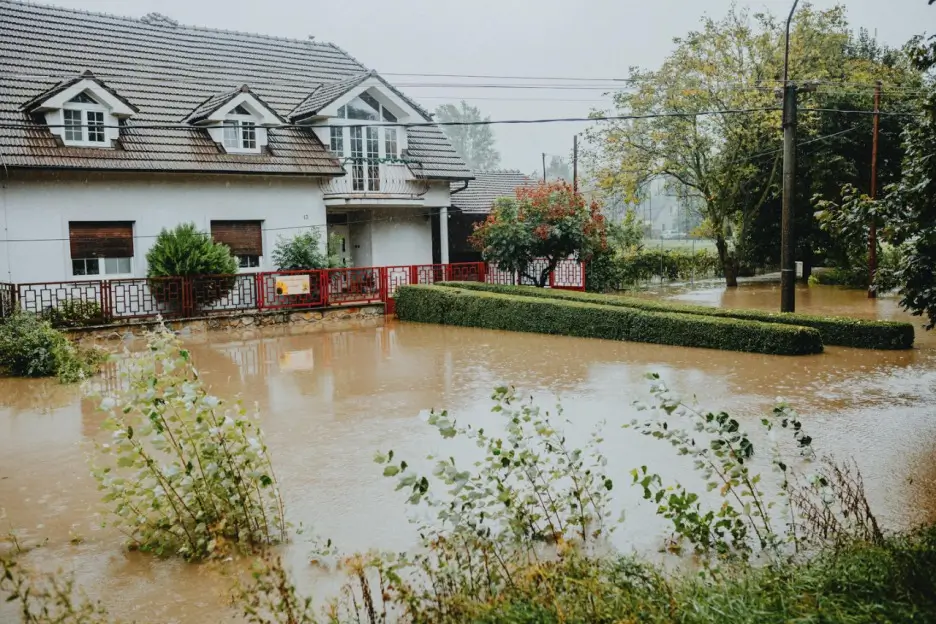
Water damage often starts quietly. A small leak under the sink or poor drainage around your home can turn into costly repairs before you notice the signs. Many homeowners only act after visible damage appears, but by then, the problem has already spread beneath surfaces—weakening structures, damaging belongings, and even affecting indoor air quality. However, most water damage issues are preventable with the right approach and consistent attention. Taking simple, proactive steps can save you time, money, and stress while keeping your home in good condition year-round.
Let’s explore practical strategies that actually work when it comes to protecting your home from water damage.
Install a Downspout Drain System That Works
Rainwater needs somewhere to go once it leaves your roof, and this is where a proper downspout drainage system comes in. Instead of letting water collect near your home, the system channels it away through a controlled path. Without a proper drain system, water can gather around the base of your home, gradually seeping into basements or causing the soil to shift.
A well-designed system reduces the chances of foundation cracks, prevents muddy areas around your property, and helps keep basements dry during heavy rain.
Installation, however, is not as simple as connecting a few pipes. The slope of the pipes, the placement of discharge points, and the type of soil around your home all influence how well the system works. Professionals experienced in installing property downspout drain systems understand how to adjust these details so water flows smoothly instead of backing up or clogging. A poorly installed system can leave you with the same issues you were trying to fix, which is why experienced installation is worth considering from the beginning.
Check Windows and Doors for Any Gaps
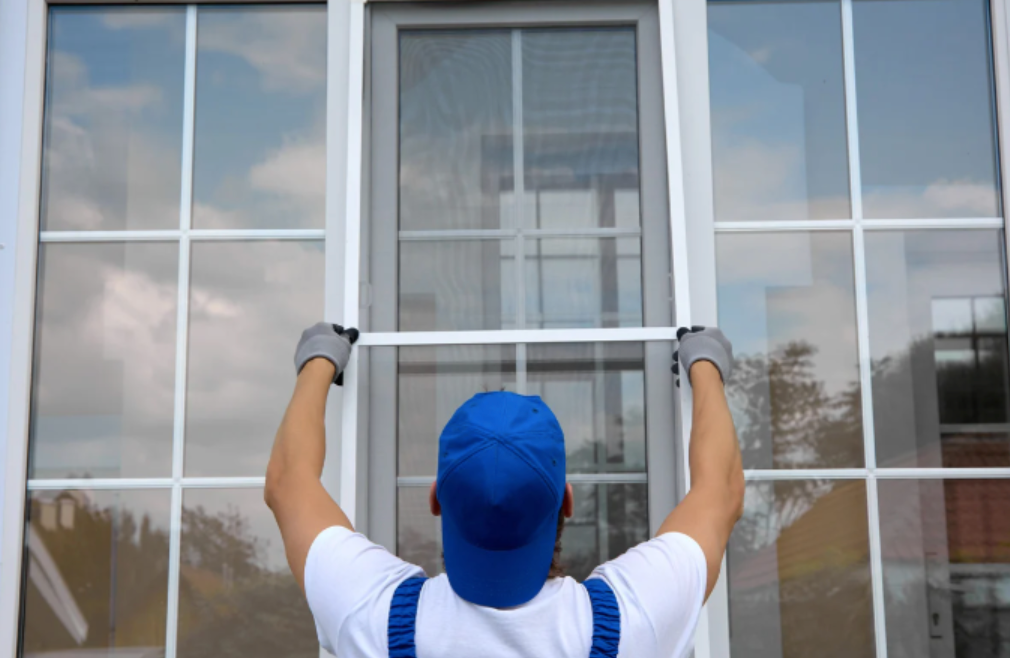
Windows and doors often have tiny gaps that aren’t noticeable until rain starts pushing moisture inside. These openings may form due to aging materials or shifting frames. Even a small crack can allow water to seep in, leading to damp walls, peeling paint, and in some cases, mold growth.
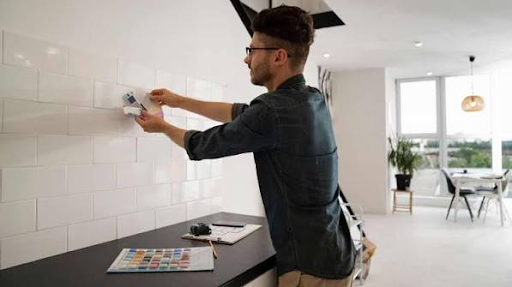
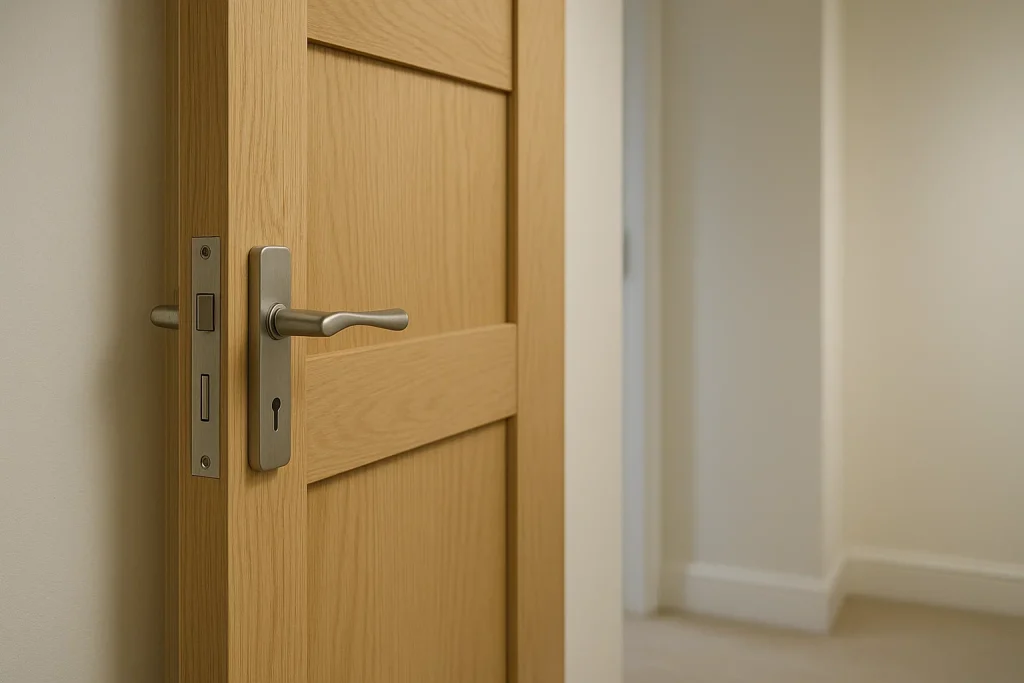
Applying fresh caulk around window edges and adding weatherstripping to doors creates a tighter seal. It keeps rain out while also improving indoor comfort by reducing drafts. Checking these areas once or twice a year can help you catch wear before it becomes visible damage. It’s a simple task that protects both the structure and the interior finishes of your home.
Maintain Your Home’s Foundation
The foundation supports everything above it, so keeping it dry is essential. Water that collects around the base of your home doesn’t just sit there—it gradually finds ways to seep into cracks or weak spots. This can lead to damp basements, uneven floors, or visible fractures in walls.
Regularly inspecting the foundation for cracks or discoloration can reveal early signs of trouble. Sealing small cracks prevents water from spreading further inside. Landscaping also plays a part here. Soil that slopes toward your home encourages water to gather in the wrong place, while proper grading directs it away. Taking care of the foundation protects the structural integrity of your home and helps avoid repairs that can quickly become expensive.
Ensure Proper Yard Grading
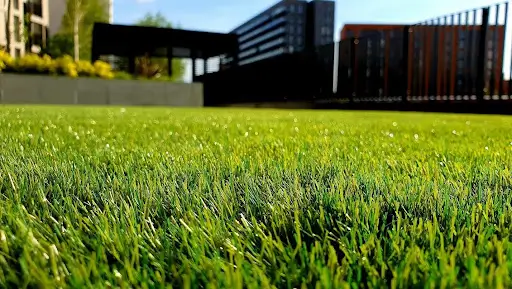
The way your yard slopes has a direct impact on where water ends up after rain. If the ground angles toward your home, water naturally flows in that direction and settles near the foundation. This constant exposure can lead to damp walls, cracks, and even water entering lower levels of the house. A simple visual check after rainfall can reveal problem areas where water lingers instead of draining away.
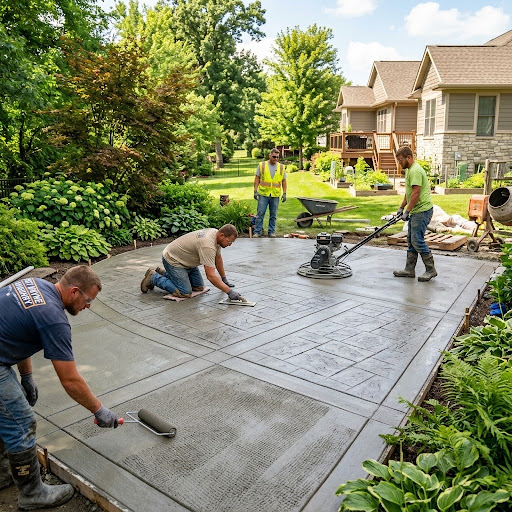
Adjusting the grading doesn’t always require major work. In some cases, adding soil to create a gentle slope away from the house can improve drainage. For more complex situations, especially where large sections of land are uneven, professional regrading may be necessary.
Install a Sump Pump in Vulnerable Areas
Homes with basements or low-lying areas often face a higher risk of water intrusion during heavy rain. A sump pump offers a practical way to manage this. It collects water that accumulates in a sump basin and pumps it away from the home before it can rise to floor level.
Installation is usually done in the lowest part of the basement, where water naturally gathers. Once in place, the system works automatically, activating when water reaches a certain level. For added security, some homeowners install a backup power source so the pump continues working during outages.
Monitor Plumbing Systems Indoors
Not all water damage begins outside. Indoor plumbing can quietly cause issues that take time to notice. A slow leak under a sink or behind a wall can create damp conditions that weaken surfaces and encourage mold growth. You might first notice a faint musty smell, a water stain, or a slight increase in your water bill.
Checking visible pipes and fixtures every so often helps catch these problems early. Pay attention to connections under sinks, around toilets, and near appliances like washing machines. Replacing worn-out hoses or tightening loose fittings can prevent unexpected leaks. Older plumbing systems may need more frequent attention, especially if pipes have started to corrode.
Staying alert to these signs helps you avoid hidden damage that spreads before it becomes visible.
Use Water Detection Devices
Technology has made it easier to catch leaks before they cause visible damage. Water detection devices are small sensors that alert you when moisture appears in places it shouldn’t. They can be placed under sinks, near water heaters, or behind appliances where leaks are more likely to occur.
When these devices detect water, they send an alert to your phone or sound an alarm. This early warning allows you to act quickly, whether that means shutting off the water supply or calling for repairs. Instead of discovering a problem after damage has spread, you can address it at the first sign. These devices are simple to install and provide an extra layer of protection, especially in areas that aren’t checked daily.
Protecting your home from water damage isn’t about one-time fixes or quick solutions. It comes down to paying attention to how water moves around and within your space. Every part of your home interacts with moisture in some way. When those interactions are managed properly, the risk of damage drops significantly.
Consistency is what keeps everything in check. Small efforts, done regularly, prevent larger disruptions later. Instead of reacting to damage after it appears, you create an environment where problems have little chance to develop in the first place.