
 English




































































































































































































































































































































![swimsuit edition [abbb] - 1.20 21 swimsuit edition - chapter](https://mymagazine.blog/wp-content/uploads/2025/09/swimsuit-edition-abbb-1.20-21-swimsuit-edition-chapter1-1024x574.webp)





How Printed Branding Improves Brand Visibility on Safety Jackets

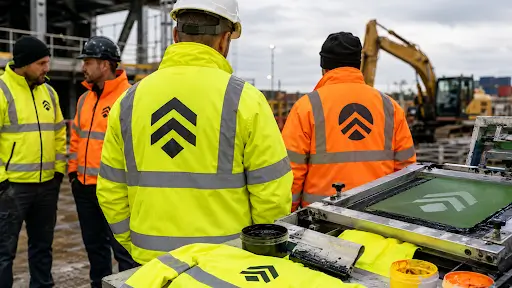
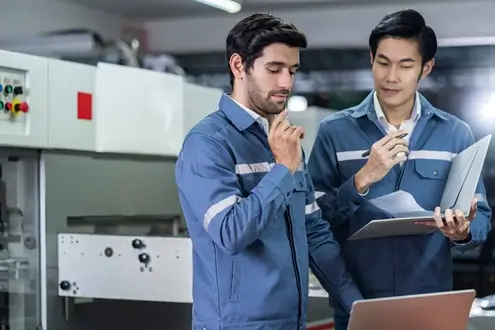
For field teams, contractors, delivery crews, event staff, warehouse workers, and emergency support teams, custom screen printing on Hi Vis Jackets can turn required safety clothing into a visible brand asset. These garments are already designed to be noticed. When a company name, logo, slogan, or contact detail is added clearly, every worker becomes a moving brand touchpoint.
Printed safety workwear helps a business appear more professional in public spaces. It also makes teams easier to identify on job sites, at events, near roads, inside warehouses, or in customer-facing environments. The value is not only visual. Branded high-visibility outerwear can support trust, worker accountability, team unity, and customer recall.
However, adding branding to safety clothing requires careful decisions. Visibility, safety compliance, print placement, color contrast, durability, cost, comfort, and garment use all affect the final result. A design that looks good on a mockup may not perform well in rain, dust, low light, or repeated washing. The best results come from balancing brand exposure with practical job-site needs.
Why Branded Safety Jackets Attract Attention
High-visibility workwear is meant to stand out. Fluorescent fabric and reflective tape help workers remain visible in daylight, low light, and vehicle-heavy environments. When a logo is placed on this type of clothing, the brand benefits from that same attention.
Unlike a signboard or vehicle wrap, a printed safety jacket moves with the worker. It may be seen at construction sites, retail loading areas, trade shows, outdoor events, delivery routes, parking lots, and public service locations. This repeated exposure can help people remember the company name over time.
Brand recall often improves when people see a name in real-life work settings. A contractor’s jacket seen on a clean, well-managed site can create a stronger impression than an online ad alone. The clothing becomes part of the company’s public image.
Professional Appearance and Trust
A team wearing plain safety gear may look functional, but a team wearing branded workwear often looks more organized. Customers, site managers, visitors, and the public can quickly identify who belongs to the company.
This matters in industries where trust is important. For example, maintenance teams entering commercial buildings, delivery crews visiting homes, roadside workers, security staff, and event personnel all benefit from easy identification. A printed logo helps reduce confusion and gives the worker a more official appearance.
There is also a psychological effect. Matching branded jackets suggest that the business pays attention to presentation. While clothing alone does not prove quality, it can support a positive first impression.
The Trade-Off Between Branding and Safety
The main purpose of high-visibility clothing is worker safety. Branding should never reduce that purpose. The most common trade-off is between making the logo large enough to be noticed and keeping reflective strips, fluorescent panels, and safety markings clear.
A large print may improve brand exposure, but it can interfere with reflective tape or reduce the visible area of bright fabric. In some work environments, this can be a serious issue. Safety standards and site rules may require certain reflective areas to remain unobstructed.
For this reason, logo placement should be planned around safety features, not over them. Common areas include the upper back, chest, sleeve, or lower back, depending on the jacket design. The print should be visible but not placed where it blocks reflective material.
Choosing the Right Print Placement
Placement affects both branding and usability. A left-chest logo gives a professional look and works well for customer-facing teams. A larger back print is easier to see from a distance, making it useful for road crews, construction workers, and event staff.
Sleeve prints can add extra brand exposure, but they may be less visible when workers move, carry tools, or wear vests over jackets. Front prints may be blocked by zippers, radios, harnesses, ID badges, or tool belts. Back prints may be covered by backpacks, rain hoods, or safety harnesses.
The right placement depends on how the jacket will be worn. A company should consider whether workers sit in vehicles, bend often, lift equipment, wear outer gear, or stand with their backs to traffic. A design that suits office staff may not suit road crews or warehouse teams.
Color Contrast and Readability
Brand visibility depends heavily on contrast. A logo that looks sharp on white paper may be hard to see on fluorescent yellow or orange fabric. Some brand colors may clash with safety colors or become unreadable from a distance.
Dark prints often stand out well on bright safety fabric. White or light-colored prints may work on darker panels but can disappear on yellow or lime backgrounds. Small text, thin lines, and complex logo details can also lose clarity on textured fabric.
The challenge is to preserve brand identity while making the design easy to read. In some cases, a simplified one-color version of the logo may work better than the full-color version. This may feel like a compromise, but it often improves visibility in real work conditions.
Durability and Long-Term Appearance
Safety jackets are exposed to rough use. Workers may face rain, mud, dust, grease, sunlight, cold weather, and frequent washing. A printed logo must hold up under those conditions.
Screen-printed branding is often chosen because it can produce clear, bold designs and can be cost-effective for larger orders. Still, durability depends on ink quality, fabric type, curing process, washing habits, and work environment.
A low-cost print may save money at first but fade, crack, or peel faster. When branding wears out quickly, the jacket can look neglected even if the garment itself is still usable. That can weaken the professional image the company wanted to create.
Businesses must balance upfront cost with lifespan. A slightly higher print cost may be worthwhile if the jackets are used daily and washed often.
Cost Considerations for Businesses
Printed safety outerwear can be affordable when ordered in volume, but cost depends on several factors. These include the number of jackets, number of print locations, number of ink colors, logo complexity, garment quality, and setup charges.
A single-color chest logo usually costs less than a multi-color design printed on the front, back, and sleeves. Larger prints use more materials and time. Complex artwork may require setup work before production can begin.
The trade-off is between visibility and budget. A small logo may cost less but may not be noticeable from a distance. A large multi-location design may increase exposure but may not be necessary for every role.
One practical approach is to use different branding levels for different teams. Customer-facing staff may need polished front and back branding, while internal warehouse crews may only need a clear back print or company name.
Comfort and Worker Acceptance
Branding should not make the garment uncomfortable. Heavy prints can sometimes affect breathability or flexibility, especially if placed across large areas. This matters for workers who move frequently, bend, lift, or wear jackets for long shifts.
If employees find the jacket uncomfortable, they may avoid wearing it or remove it when possible. That creates safety and branding problems. Worker feedback should be considered before placing large prints on areas that stretch, fold, or trap heat.
Comfort also affects morale. A well-fitted, clearly branded jacket can make workers feel part of a team. A stiff, poorly placed, or unattractive print may have the opposite effect.
Brand Consistency Across Locations
For companies with multiple teams, branches, or job sites, printed safety clothing can help create a consistent public image. Customers may see the same logo on workers, vehicles, invoices, signs, and websites. This repeated exposure helps connect the brand with real service delivery.
However, consistency can be difficult when different suppliers, garment types, or print methods are used. One batch may have a slightly different logo size or color than another. Over time, this can make the brand look uneven.
To avoid this, businesses should keep a clear brand guide for workwear. It should include logo files, approved colors, print sizes, print locations, and garment color options. Even a simple guide can reduce mistakes when ordering new jackets.
Industry-Specific Challenges
Different industries have different needs. A construction company may prioritize durability and distance visibility. A logistics company may care more about brand recognition during deliveries. Event staff may need clear role labels such as “Security,” “Crew,” or “Support.” Utility workers may need safety compliance above all else.
Outdoor teams may need waterproof or insulated jackets, which can affect print choice. Some coated fabrics may require special inks or preparation. Flame-resistant or chemical-resistant garments may have strict rules about decoration.
This is why the jacket type should be selected before the branding method is finalized. The print must suit the fabric, safety rating, and work setting.
Measuring Brand Visibility
The results of branded workwear are not always easy to measure, but businesses can still assess value. They can ask customers how they found the company, track direct website visits after major projects or events, or monitor whether staff are easier to identify on site.
Managers can also observe whether branded jackets reduce confusion, improve team recognition, or support a more professional site appearance. These benefits may not always show up as direct sales, but they can support reputation and customer confidence.
Making Better Decisions
Before ordering printed safety jackets, a business should ask several practical questions: Where will the jackets be worn? Who needs to see the logo? How far away should the branding be readable? Will the print affect safety features? How often will the garment be washed? Will workers wear other equipment over it?
The answers help guide print size, placement, ink choice, and garment selection. Good decisions come from considering both marketing value and real working conditions.
Wrapping Up
Printed branding on high-visibility safety jackets can improve brand visibility by placing the company name in active, real-world environments. It can help teams look professional, make workers easier to identify, and strengthen public recognition.
The key is balance. Branding should be clear, durable, readable, and aligned with the company’s image, but it must not reduce safety or comfort. Businesses that consider garment use, worker needs, print placement, color contrast, and long-term wear are more likely to get strong results from their branded safety workwear.