

 English



















































































































































































































































































































































































![swimsuit edition [abbb] - 1.20 21 swimsuit edition - chapter](https://mymagazine.blog/wp-content/uploads/2025/09/swimsuit-edition-abbb-1.20-21-swimsuit-edition-chapter1-1024x574.webp)





The Ultimate Guide to a Low-Maintenance Backyard

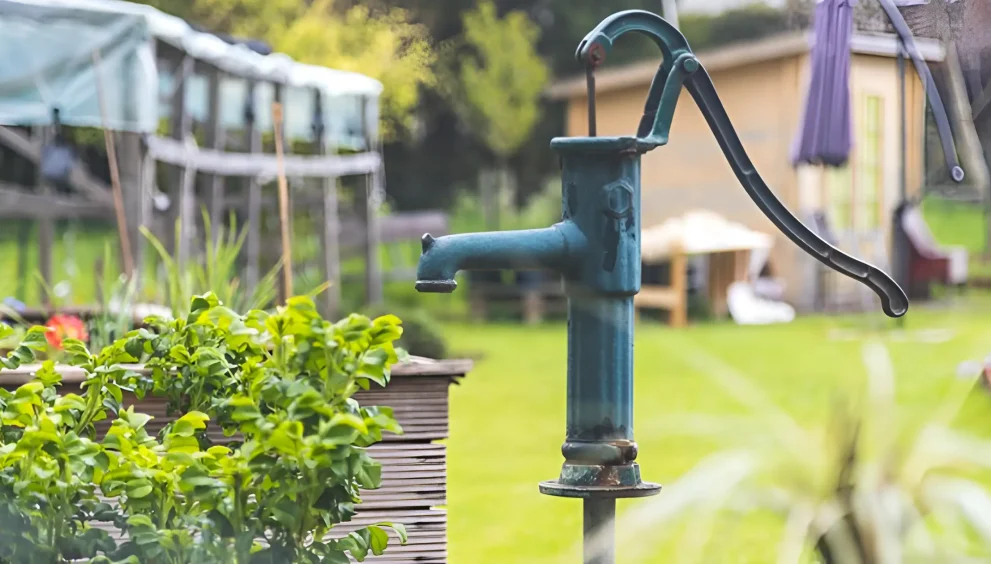
For a lot of homeowners, the dream of a big, green lawn and a sparkling pool often comes with a catch: it takes a ton of work every single weekend. The old-school idea of a perfect backyard usually means you’re stuck mowing, weeding, pruning, and scrubbing when you’d rather be relaxing. But as life gets busier, more people are looking for outdoor spaces that stay beautiful without needing a second job in landscaping. Moving to a low-maintenance setup isn’t just about doing less; it’s about building a smarter, tougher environment that works for you instead of against you. By picking the right materials and using a bit of automation, you can create a sanctuary that stays in top shape with almost no effort.
1. Defining the Low-Maintenance Landscape Philosophy
The heart of a low-maintenance yard is all about simplicity and keeping things sustainable. Instead of fighting against nature to keep a picky rose garden alive or a thirsty lawn green, you should lean into things that actually want to grow in your specific climate. This way of thinking puts durability and efficiency first. It means choosing materials that look better as they age and plants that are built for your local weather patterns. When you design with maintenance in mind, you stop needing so much fertilizer and pesticide. The goal is to build a balanced space that mostly looks after itself, letting you enjoy the fresh air instead of just managing it.
2. Choosing Resilient and Native Plant Species
One of the biggest time-wasters in any yard is trying to look after plants that don’t belong in your climate. Traditional gardens are often full of exotic species that need specific soil treatments, frequent watering, and constant protection from local bugs. By switching to native plants, you cut your workload down immediately. These plants have spent thousands of years adapting to your local rain and soil. Once they’re settled, they need very little extra water and can handle local pests much better.
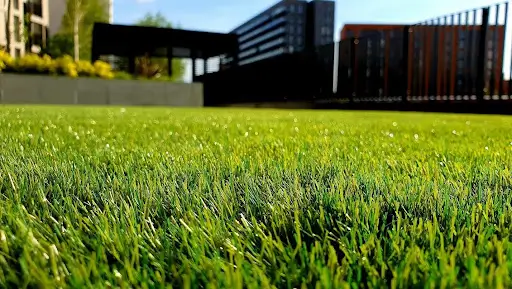
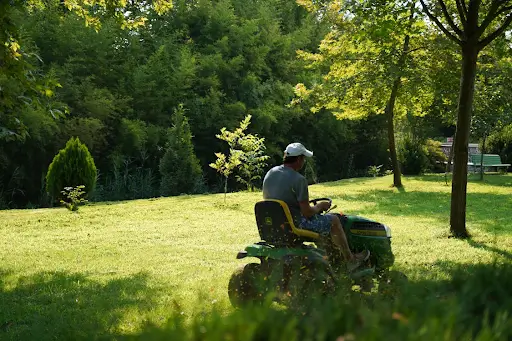
You might also want to look into xeriscaping or using ground covers instead of a traditional lawn. Grass is famously needy. Ground covers like clover, creeping thyme, or various types of moss give you that lush look but they don’t grow very high and rarely need a mower. If you still want garden beds, try “hydrozoning”—grouping plants with similar water and light needs together so you can look after them more efficiently.
3. The Power of Hardscaping and Functional Surfaces
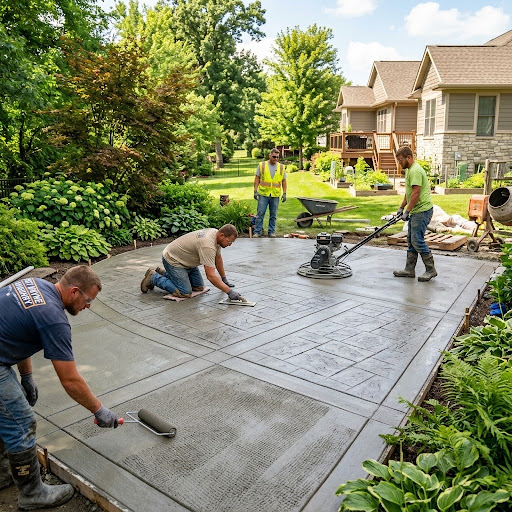
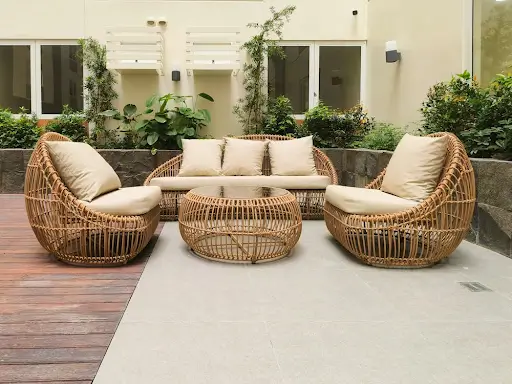
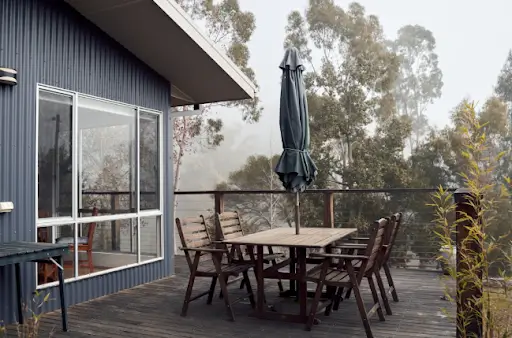
If you want to really shrink the amount of work you do, hardscaping is the answer. This covers the “non-living” parts of your yard—like stone patios, wooden decks, and gravel paths. Every square foot of grass you replace with a stone surface is a square foot you never have to mow or fertilize again.
High-quality pavers or natural stone can last for decades with just a quick rinse every now and then. To keep these areas truly easy to manage, put down professional-grade landscape fabric under your gravel or stones to stop weeds from popping through. For decks, choosing composite materials over wood is a total game-changer; it saves you from the annual headache of sanding and staining. These materials are built to handle the weather without rotting or fading, keeping your yard looking sharp year-round.
4. Simplifying Water Management with a Dedicated Irrigation System
Watering the garden by hand is a huge time-sink and it’s usually not very efficient. It’s so easy to drown one spot while another stays bone-dry. To get a truly self-sustaining yard, a professional irrigation system is a must. Modern setups go way beyond simple timers; they can be linked to moisture sensors and live weather data to make sure they only water when it’s actually needed.
Drip irrigation is especially good for low-maintenance fans because it sends water right to the roots. This stops evaporation and prevents weeds from growing in the dry soil nearby. By automating this whole process, you ensure your yard stays healthy even when you’re busy or away from home. A well-designed system gets rid of the stress of wilted plants and the labor of dragging heavy hoses around every evening.
5. Optimizing Pool Care with a Reliable Pool Cleaner
If you have a pool, you know that maintenance can be the most draining part of the whole property. Between skimming out leaves and scrubbing the floor, a pool can quickly become a chore. Luckily, tech has made manual cleaning a thing of the past. Using an automated pool cleaner lets a machine do all the heavy lifting for you.
These smart devices patrol the floor and walls, picking up debris and scrubbing away algae before it can even start to grow. This proactive approach keeps your water clear and means you spend less time handling chemicals and more time actually swimming. When you combine this with a high-quality pool cover to keep junk out in the first place, the work needed to keep your water crystal clear becomes almost zero.
6. Mulching for Weed Control and Moisture Retention
One of the easiest tricks for a low-maintenance yard is using mulch. Putting a thick layer of organic mulch, like wood chips or bark, in your garden beds does a lot of the work for you. It acts as a shield, stopping sunlight from reaching weed seeds and saving you hours of manual weeding. It also helps the soil hold onto moisture, so you don’t have to water as often. As it breaks down over time, it feeds your plants, too. If you want an even lower-maintenance option, you can use stones like river rock that never need to be replaced.
7. Long-Term Benefits of a Sustainable Outdoor Space
Spending a bit of time and money on a low-maintenance backyard pays off in the long run with more free time and less stress. A yard that’s built to be tough and automated can handle the weather and your busy schedule. Instead of looking at your yard as a list of things to do, you can see it as a place to actually relax. By choosing native plants, solid hardscaping, and smart tools, you build a backyard that stays beautiful and easy to manage for years to come.