

 English











































































































































































































































































































































































![swimsuit edition [abbb] - 1.20 21 swimsuit edition - chapter](https://mymagazine.blog/wp-content/uploads/2025/09/swimsuit-edition-abbb-1.20-21-swimsuit-edition-chapter1-1024x574.webp)





The Complete Guide to Shirt Press, Vinyl Heat Transfer, and Sublimation Paper


The custom apparel industry has grown massively over the past few years, and at the heart of this growth are three powerful tools and materials — the shirt press, vinyl heat transfer, and sublimation paper.
Whether you are a hobbyist crafting personalized gifts or an entrepreneur running a full-scale printing business, understanding these three elements is the key to producing high-quality, professional, and long-lasting custom t-shirts and garments.
In this guide, we will break down each of these components in detail and show you how they work together to deliver outstanding results.
Understanding the Shirt Press
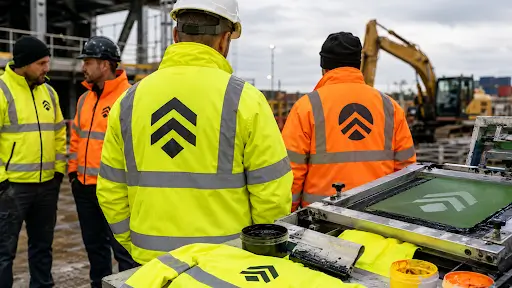
The shirt press is the most important piece of equipment in any custom apparel setup. A shirt press is a heat-applying machine that uses a combination of high temperature and firm pressure to bond designs onto fabric surfaces. Unlike a regular iron, a shirt press delivers uniform heat across the entire pressing surface, which means no hot spots, no uneven transfers, and no wasted materials.
A good quality shirt press comes with adjustable temperature, timer, and pressure settings, giving you full control over every project. The temperature on a shirt press typically ranges from 250°F to 400°F depending on the material being used. For vinyl heat transfer, the shirt press is usually set between 305°F to 320°F, while for sublimation paper, slightly higher temperatures are required.
There are multiple styles of shirt press machines available — clamshell, swing-away, and draw presses. A clamshell shirt press opens up and down like a clam and is perfect for beginners due to its small footprint.
A swing-away shirt press rotates the upper platen to the side, allowing easier garment placement. Both styles are widely used with vinyl heat transfer and sublimation paper projects.
What Is Vinyl Heat Transfer?
Vinyl heat transfer is a cutting-based printing method where a colored vinyl material is cut into a specific design using a cutting machine and then applied onto fabric using a shirt press. Vinyl heat transfer is one of the most popular methods in the custom apparel world because of its durability, versatility, and ease of use.
One of the greatest strengths of vinyl heat transfer is that it works on virtually any fabric color — light or dark. Whether you are decorating a white cotton tee or a black polyester hoodie, vinyl heat transfer gives you vibrant, solid, and clean results every time.
The material is available in dozens of colors, finishes, and textures — including matte, glossy, glitter, holographic, and metallic — making vinyl heat transfer an incredibly creative tool for designers and crafters.
When applied correctly using a shirt press, vinyl heat transfer bonds permanently to the fabric and resists peeling, cracking, and fading even after many washes.
The typical application requires pressing at around 305°F for 10 to 15 seconds with medium-to-firm pressure. Always remember to do a cold peel or warm peel depending on the specific type of vinyl heat transfer you are using, as this affects the final quality of the design.
The Power of Sublimation Paper
Sublimation paper is a specially coated transfer paper that works together with sublimation ink and a shirt press to create full-color, photographic-quality prints on fabric.
The process works by printing a design onto sublimation paper using a sublimation printer, and then using the shirt press to apply heat — usually around 380°F to 400°F for 45 to 60 seconds — which causes the ink to turn into gas and permanently bond with the polyester fibers of the fabric.
The results produced by sublimation paper are absolutely stunning. Colors are vibrant, sharp, and incredibly detailed. Because the ink becomes part of the fabric itself, prints made with sublimation paper never crack, peel, or fade. Sublimation paper works best on white or light-colored polyester garments, as the sublimation ink is transparent and requires a light base to show its true colors.
Using All Three Together
The smartest custom apparel creators use the shirt press, vinyl heat transfer, and sublimation paper strategically. Use sublimation paper for photo-quality, all-over prints on polyester fabrics.
Use vinyl heat transfer for bold, solid designs on any fabric color. And always rely on your shirt press to deliver the consistent heat and pressure that makes every transfer a success. Master these three tools and watch your custom apparel business truly thrive.