

 English








































































































































































































































































































































































































![swimsuit edition [abbb] - 1.20 21 swimsuit edition - chapter](https://mymagazine.blog/wp-content/uploads/2025/09/swimsuit-edition-abbb-1.20-21-swimsuit-edition-chapter1-1024x574.webp)





How Rising Checked Bag Fees Are Changing the Way People Pack in 2026

Packing used to feel like a simple question of space. In 2026, it increasingly feels like a question of cost as well. Major U.S. airlines have raised checked bag fees in recent weeks, and the effect is larger than the extra dollars alone. United, Delta, Southwest, American, Alaska, and JetBlue have all been part of this broader shift, with first checked bags commonly moving to $45 and second bags to $55 on affected routes.
That change is pushing travelers to rethink how they pack. Instead of treating checked baggage as the default choice for any trip beyond a weekend, more people are weighing whether the bag is worth the added fee at all. As a result, packing in 2026 is becoming less about bringing more just in case and more about choosing what is actually worth paying to carry.
Why Checked Bag Fees Matter More to Travelers in 2026
Checked bag fees are not new, but the latest increases matter because they come at a time when travel costs already feel pressured. Reuters and AP both reported that airlines tied these fee hikes to rising fuel costs, and several carriers rolled out changes within days of each other in April 2026. American raised first and second checked bag fees by $10 on domestic and short haul international routes, Alaska raised its first bag by $5 and second by $10 on North American routes, and United, Delta, and Southwest moved their first and second checked bag pricing to $45 and $55 on affected routes.
For travelers, that changes the math. A fee that once felt like a minor add-on can now feel like a meaningful part of the trip budget, especially for couples, families, or anyone taking more than one flight segment. Even when loyalty status, premium cabins, military benefits, or co-branded cards still provide free baggage in some cases, the broader message is the same: checking a bag now deserves more deliberate thought.
How Higher Bag Fees Are Changing Packing Decisions
When fees rise, packing habits usually change before luggage preferences do. Travelers start editing more aggressively, repeating outfits more intentionally, and asking whether every extra pair of shoes or bulky layer is worth the cost. The mental shift is important. Packing becomes less about filling available space and more about managing tradeoffs.
This is one reason fee hikes affect behavior beyond the airport. Once travelers begin thinking in terms of cost-per-item or cost-per-trip, they often plan differently from the start. They may choose lighter clothing, book lodging with laundry access, or split items more strategically across travel companions. The suitcase itself becomes part of a broader budgeting decision rather than a neutral container.
Why More Travelers Are Trying to Avoid Checking a Bag
The simplest way to avoid a checked bag fee is to avoid checking a bag. That sounds obvious, but it is becoming a stronger priority because the savings are now more noticeable. On routes where first and second checked bags now cost $45 and $55, avoiding baggage fees can immediately change the overall cost of a trip.
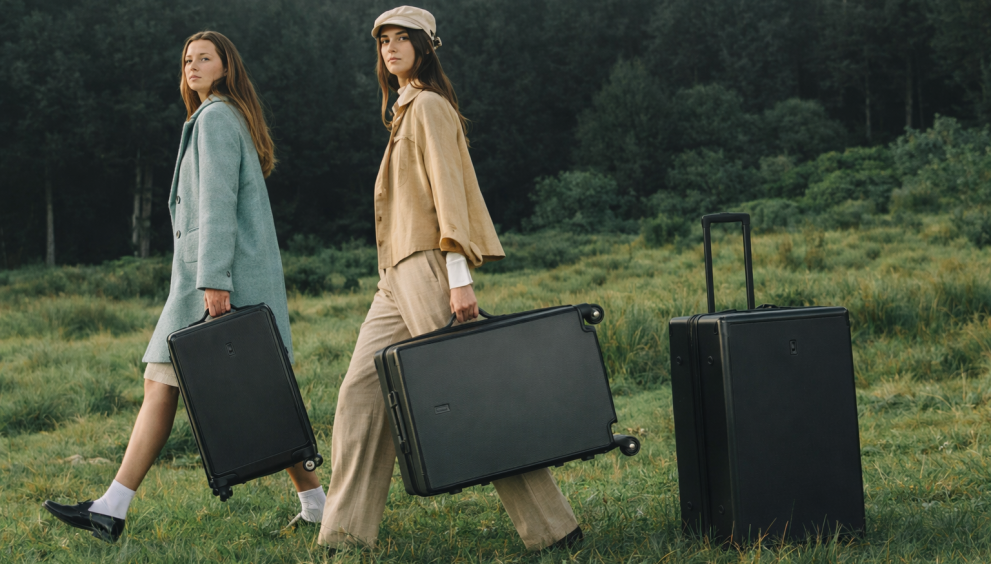
That is why more travelers are trying to make a carry-on luggage setup work even for trips that previously would have led to a checked bag. The appeal is not only financial. Carry-on travel can also reduce baggage claim time, remove some uncertainty around delayed luggage, and make airport transitions feel faster. In a year when extra airline fees are drawing more attention, those practical advantages feel even more valuable.
When a Carry-On Setup Becomes the Smarter Choice
A carry-on setup becomes especially appealing for short trips, business travel, city breaks, and itineraries where mobility matters. In those cases, travelers may decide that packing lighter is easier than paying more. The tradeoff often feels reasonable when the trip is only a few days long and the clothing list can stay tight.
This does not mean travelers are suddenly becoming minimalists. It means the threshold for checking a bag is changing. A trip that once seemed to justify a larger suitcase may now encourage a more edited packing list instead. That is a subtle shift, but it is likely to influence not only what people pack, but how they shop for travel gear in the first place.
Why Checked Luggage Still Makes Sense for Some Trips
Even with higher fees, checked luggage still makes sense for many trips. Families, longer vacations, cold-weather travel, special-event travel, and gear-heavy itineraries often create needs that are hard to shrink into a carry-on without adding stress. In those situations, paying for a checked bag may still be the better choice because it protects comfort, flexibility, and packing realism.
Airlines also have not eliminated the situations where checked baggage remains more practical or more accessible. Some travelers still qualify for free checked bags through status, credit cards, premium cabins, or military benefits, and long-haul international baggage policies are not always affected in the same way as domestic or short-haul routes.
What Travelers Should Consider Before Choosing Between Cost and Convenience
The smartest choice is rarely about fees alone. Travelers still need to think about trip length, weather, formalwear, return-trip purchases, and how often they will move between locations. A cheaper setup is not always the better one if it creates enough inconvenience to affect the trip itself.
What the 2026 fee increases have really done is force a more intentional decision. Instead of automatically checking a suitcase, travelers are more likely to ask whether the space is truly necessary. That question can lead to better packing habits, but it can also confirm when a checked bag is still worth it.
Conclusion
Rising checked bag fees are changing packing in 2026 because they have made luggage choice feel more connected to travel cost than before. More travelers are trying to stay with carry-on options when they can, while others are becoming more selective about when checked bags are truly necessary. The result is not simply lighter packing. It is more intentional packing, where the suitcase is no longer just about capacity, but about whether the trip justifies the cost.