
 English


























































































































































































































































































































































































![swimsuit edition [abbb] - 1.20 21 swimsuit edition - chapter](https://mymagazine.blog/wp-content/uploads/2025/09/swimsuit-edition-abbb-1.20-21-swimsuit-edition-chapter1-1024x574.webp)





How Emerging Medical Technologies Are Shortening Recovery Timelines

Recovering from a medical procedure used to mean long waits, frequent follow-up visits, and a lot of uncertainty. People often had to rely on standard treatment plans that worked “well enough” for most patients, even if they were not perfectly tailored to individual needs. Today, the model is changing. Emerging medical technologies are helping doctors treat conditions with greater accuracy, monitor progress more closely, and reduce the physical stress placed on the body during care. As a result, many patients are experiencing shorter recovery timelines and fewer setbacks.
Faster recovery does not mean rushing the healing process. Instead, it means smarter planning, more precise procedures, and tools that help the body repair itself more efficiently. From digital scanning systems to regenerative therapies and advanced wound monitoring, innovation is reshaping what recovery looks like.
The following sections explain how several key technologies are helping patients return to daily life sooner and with fewer complications.
Precision-Guided Treatment Planning
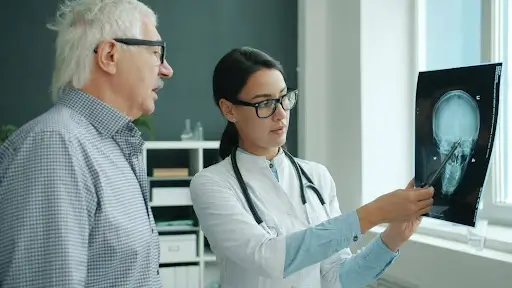
One of the biggest changes in modern healthcare is the move toward highly personalized treatment planning. Instead of relying only on basic X-rays or manual measurements, providers now use advanced digital imaging and computer modeling to map out procedures before they even begin. This allows doctors to predict outcomes, adjust plans in advance, and reduce unnecessary steps during treatment. When care is planned with greater accuracy, the body experiences less disruption, which often means less swelling, less pain, and fewer corrective visits.
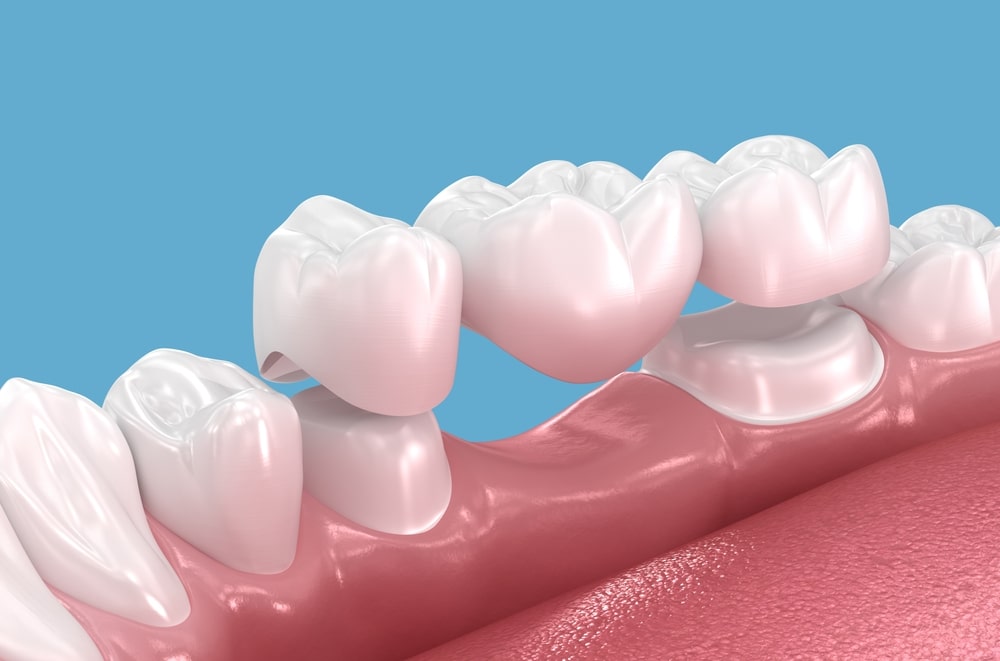
In dentistry and orthodontics, advanced orthodontic technology offers a compelling example of this. Tools like the iTero Element Scanner capture detailed 3D images of a patient’s teeth without the discomfort of traditional molds. These digital impressions are then used to create customized aligners or braces through 3D printing technology, ensuring a precise fit. In addition, remote dental monitoring systems allow orthodontists to track progress digitally between appointments, reducing the need for frequent office visits while still maintaining close supervision. More accurate planning and monitoring translate into smoother adjustments and shorter overall treatment timelines for many patients.
Real-Time Imaging During Procedures
Another major advancement involves imaging tools that work during medical procedures, not just before them. Surgeons can now use live imaging to see exactly what is happening inside the body while they operate. This immediate visual feedback allows them to make precise adjustments on the spot rather than discovering issues later.
When procedures are performed with greater accuracy, the body experiences less trauma. Surrounding tissues are less likely to be disturbed, and complications become less common. Fewer complications often mean shorter hospital stays and less time needed to recover at home. Real-time imaging helps turn surgeries into more controlled and efficient experiences, which directly supports faster healing.
Regenerative Medicine Applications
Regenerative medicine focuses on helping the body repair itself more effectively. Treatments such as stem cell therapy and platelet-rich plasma involve using a patient’s own biological material to stimulate healing. Instead of simply managing symptoms, these therapies encourage damaged tissues to rebuild at a cellular level.
This approach can be especially helpful for joint injuries, muscle tears, and certain surgical recoveries. By boosting the body’s natural repair process, regenerative treatments can reduce inflammation and improve tissue strength more quickly. Patients often experience improved mobility and less discomfort during rehabilitation, which shortens the overall recovery period.
Personalized Medication Dosing Algorithms
Medications play a crucial role in recovery, yet traditional dosing methods often rely on general guidelines. Emerging technologies now allow providers to adjust medication plans based on a person’s metabolism, medical history, and even genetic information. This personalized approach helps avoid underdosing or overdosing, both of which can delay recovery.
Once medication is precisely matched to an individual’s needs, pain is managed more effectively, and infection risks are reduced. Patients may experience fewer side effects, allowing them to resume normal activities sooner. Personalized dosing supports a smoother recovery process by making treatment more predictable and responsive.
Advanced Wound Care Technologies
Wound care has also advanced significantly. Modern dressings and monitoring systems can track moisture levels, detect early signs of infection, and maintain the ideal environment for healing. Instead of changing dressings based solely on a schedule, clinicians can use data to determine when intervention is actually needed.
This targeted approach reduces complications and supports faster tissue repair. By maintaining a stable healing environment, advanced wound care technologies help minimize scarring and decrease the time required for full recovery. Patients benefit from fewer clinic visits and a more controlled healing experience.
Digital Physical Therapy Platforms
Rehabilitation used to depend almost entirely on in-person visits and printed exercise sheets. Many patients struggled with performing movements correctly at home, which slowed progress and sometimes caused re-injury. Digital physical therapy platforms are changing that experience. Through guided apps, motion-tracking cameras, and real-time feedback systems, patients can complete exercises at home while still being monitored by professionals.
These platforms help ensure exercises are done with proper form and consistency. Some systems even alert providers if progress stalls or if movements suggest strain. This ongoing guidance reduces gaps between appointments and keeps recovery on track.
Neural Interface Technologies
For patients recovering from neurological injuries, regaining movement can take months or even years. Neural interface technologies aim to speed up that process by stimulating specific nerve pathways. Devices placed on or near nerves can help reestablish communication between the brain and muscles, supporting earlier functional improvement.
By encouraging nerve activity in targeted areas, these technologies promote more efficient retraining of movement patterns. Patients may experience improved coordination and strength sooner than with traditional therapy alone. Faster restoration of mobility reduces long-term dependency and shortens overall rehabilitation timelines.
Cold Therapy and Circulatory Enhancement Devices
Inflammation and swelling are natural parts of healing, but excessive swelling can delay recovery. Advanced cold therapy systems and compression devices help control inflammation more effectively than traditional ice packs. These tools regulate temperature and apply controlled pressure to improve blood flow.
Improved circulation delivers oxygen and nutrients to healing tissues more efficiently. At the same time, controlled cooling reduces discomfort and stiffness.
Augmented Reality in Surgical Training
The quality of surgical care directly affects how long recovery takes. Augmented reality systems are improving how surgeons train by allowing them to practice complex procedures in highly detailed simulations. Such digital environments replicate anatomy with precision, helping surgeons refine techniques before entering the operating room.
Better preparation often translates to shorter procedure times and fewer errors. Reduced surgical trauma and improved accuracy lowers the risk of complications that could extend healing.
Emerging medical technologies are transforming recovery by making treatment more precise, personalized, and closely monitored. Digital therapy tools, neural stimulation devices, advanced circulation systems, and improved surgical training all contribute to shorter healing timelines. Rather than relying solely on the body’s natural pace, modern care now supports recovery through smarter tools and targeted strategies.
For More Visits: Mymagazine