

 English

































































































































































































































































































































































































































5 Signs It’s Time To Reevaluate Your General Dentist’s Preventive Plan

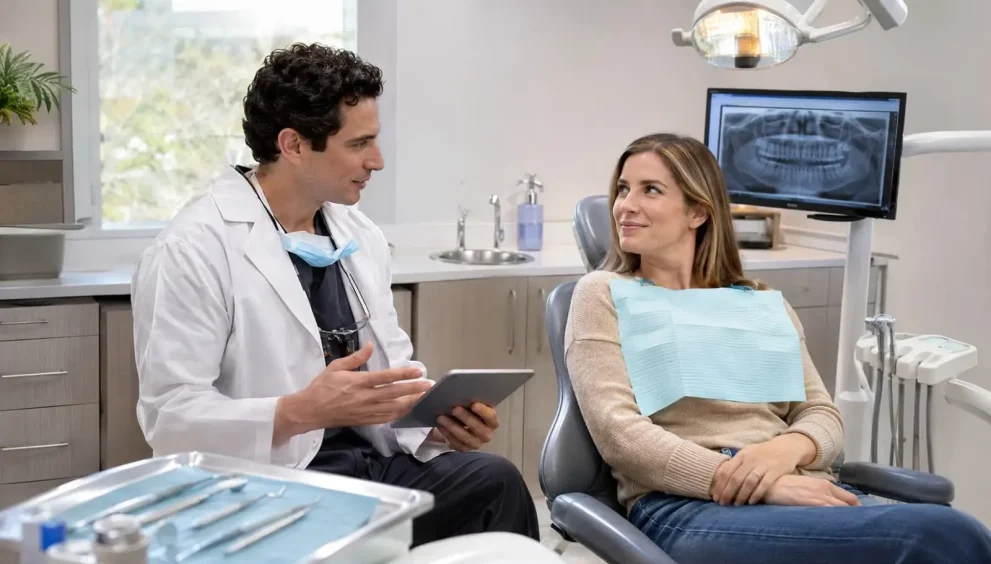
You keep showing up for cleanings, you brush, you floss when you can, and you still leave the office wondering why the same problems keep coming back. That feeling wears on you. Preventive dental care is supposed to lower stress, not create more of it. If your routine feels generic, rushed, or out of step with what your mouth actually needs, it may be time to take a closer look. You may also want to ask about clear aligners for Fresno adults and teens as part of a more personalized approach to your oral health.
A good preventive plan from a general dentist should do more than schedule you every six months and send you home with the same advice each time. It should reflect your cavity risk, gum health, medical history, habits, and any changes you have noticed. When that is missing, small issues can turn into expensive and painful ones. 5 Signs It’s Time To Reevaluate Your General Dentist’s Preventive Plan often come down to one simple truth. Your care should feel personal, clear, and effective.
Your Preventive Dental Care Feels the Same Even When Your Needs Change
Life changes your oral health. Pregnancy, dry mouth from medications, diabetes, smoking, grinding your teeth at night, and even stress can shift your risk level. If your visits look exactly the same year after year despite those changes, your plan may be too fixed to protect you well.
This is where many people get stuck. They assume a routine cleaning is enough because that is what they have always done. Then bleeding gums start, or a small cavity becomes a crown, and it feels like the problem came out of nowhere. Usually it did not. It built up while the prevention plan stayed still.
The CDC’s oral health tips for adults point to daily care, diet, tobacco use, and regular professional visits as part of prevention. The key word is regular, not identical. Regular care still needs to adjust to your actual risk.
Recurring Cavities or Gum Problems Signal a Weak Prevention Strategy
If you hear “another small cavity” at every other visit, that is a sign worth taking seriously. The same goes for ongoing gingivitis, deepening gum pockets, or chronic bleeding when you brush. A preventive plan is meant to interrupt patterns like these. If the pattern keeps going, something in the approach needs to change.
Sometimes the issue is technique. Sometimes it is timing. You may need more frequent cleanings, fluoride treatments, better home care tools, or a closer look at dry mouth, diet, or clenching. A solid general dentist does not just treat the result. They look for the reason it keeps happening.
Signs your dental prevention plan needs updating often show up before major pain does. That matters, because once pain starts, prevention has already given way to repair.
You Leave Visits Without a Clear Explanation of What Is Being Watched
You should know what your dentist is monitoring, why it matters, and what you can do at home to help. If appointments feel vague, if you are told to “keep an eye on it” without context, or if no one explains your exam findings in plain language, it is hard to play an active role in your own care.
A proper dental exam is not just a quick look and polish. MedlinePlus explains that a dental exam may include checking teeth, gums, bite, soft tissues, and signs of disease. That means your preventive care should include communication, not just procedures. You should leave knowing whether you have plaque buildup, early gum inflammation, enamel wear, recession, or areas that need extra attention.
When that clarity is missing, people tend to delay follow-up or underestimate risk. That usually costs more later, both financially and physically.
Your Medical History Is Barely Part of the Conversation
Your mouth is not separate from the rest of your body. If your dentist rarely asks about new medications, health diagnoses, sleep issues, or changes in symptoms, your prevention plan may be missing pieces that matter.
Adults with chronic conditions often need more tailored oral care. The HRSA overview on adult oral health connects oral health with overall health and access to care. If you have diabetes, heart disease, immune issues, or take medicines that cause dry mouth, a standard one size fits all plan can fall short.
This is one of the clearest signs because it tends to hide in plain sight. Nothing feels obviously wrong during the appointment, but the plan is built on incomplete information.
Costly Treatment Keeps Replacing Preventive Care
One filling may happen even with good habits. Repeated fillings, crowns, deep cleanings, or emergency visits tell a different story. When repair keeps overtaking prevention, it is fair to ask whether your current plan is doing enough early enough.
That does not always mean your dentist is doing poor work. It may mean your schedule is too spread out, your home care plan is unrealistic, or your risk factors have changed and no one has adjusted for them. when to change your general dentist is not always about personality or convenience. Sometimes it is about whether the preventive side of care is actually preventing.
Preventive Dental Care Works Best When It Is Matched to Risk
| Preventive Plan Element | Generic Approach | Risk Based Approach |
|---|---|---|
| Cleaning schedule | Every six months for everyone | Adjusted for gum disease, cavity history, dry mouth, and home care |
| Home care advice | Basic brush and floss reminder | Specific tools, timing, fluoride use, and technique based on your needs |
| Medical review | Quick form update | Discussion of medications, chronic conditions, and symptoms affecting oral health |
| Monitoring | General comments | Clear explanation of problem areas and what changes to watch for |
| Long term result | Higher chance of repeated issues going unnoticed | Better chance of catching problems early and reducing major treatment |
Three Smart Steps to Take Right Away
Ask for a risk based review. At your next visit, ask what your current cavity and gum disease risk is, what factors are driving it, and whether your cleaning frequency still makes sense. A strong general dentist should be able to answer that clearly.
Track patterns, not just pain. Write down bleeding, sensitivity, dry mouth, bad breath, jaw soreness, or repeated dental work. Those patterns often say more than one painful tooth ever could.
Get specific home care instructions. Ask which toothbrush, floss, interdental cleaner, fluoride product, or rinse fits your mouth. General advice is easy to forget. Specific advice is easier to follow.
A Better Preventive Plan Should Leave You More Confident
You should not feel confused after routine dental care, and you should not feel like you are always one appointment away from another surprise. A prevention plan that fits your real needs can lower the chance of bigger problems and help you feel more in control of your health. If these signs sound familiar, it may be time to reevaluate your current approach and have a direct conversation with your dental office about what needs to change.