

 English



















































































































































































































































































































































































































![swimsuit edition [abbb] - 1.20 21 swimsuit edition - chapter](https://mymagazine.blog/wp-content/uploads/2025/09/swimsuit-edition-abbb-1.20-21-swimsuit-edition-chapter1-1024x574.webp)





Simple Health Check Methods: Wellness Tips


Health problems rarely appear without warning. In many cases, the body gives small signals before a condition becomes serious. Unfortunately, many people ignore these signs because they are busy, stressed, or simply unaware of what to monitor. Simple health check methods can help people understand their bodies better and notice changes early. These methods are not complicated, expensive, or limited to hospitals. Many basic health checks can be done at home or during regular medical visits without difficulty.
Modern lifestyles often make people focus more on work and responsibilities than personal wellness. Long hours, poor eating habits, lack of sleep, and stress can slowly affect physical and mental health. The good news is that small routine checks can provide valuable insight into overall well-being. Early awareness often leads to better outcomes because problems are easier to manage when discovered sooner.
Simple health check methods are useful for people of all ages. Young adults can use them to build healthier routines, while older individuals may rely on them to monitor ongoing conditions. Parents can also benefit by understanding basic signs of wellness within the family. These checks do not replace professional medical care, but they can encourage people to seek timely advice when something feels unusual.
The human body constantly communicates through energy levels, skin condition, breathing, digestion, sleep patterns, and many other signs. Paying attention to these indicators helps create a stronger connection between physical habits and overall health. Many people are surprised by how much they can learn from simple observations and routine measurements.
Table of Contents for this post
ToggleWhy Regular Health Checks Matter
People often wait until they feel seriously ill before paying attention to their health. This habit can allow small problems to become larger concerns over time. Regular health checks create awareness and encourage preventive care rather than reactive treatment.
Preventive health habits help reduce stress because individuals feel more in control of their well-being. Instead of worrying about unknown issues, they gain clearer understanding of how their body is functioning. This awareness can motivate healthier choices related to food, exercise, hydration, and sleep.
Routine monitoring also helps identify patterns. For example, someone may notice recurring fatigue, frequent headaches, or rising blood pressure levels. Recognizing these trends early can encourage medical consultation before symptoms worsen.
Mental health benefits should not be ignored either. People who actively monitor their wellness often feel more confident about maintaining healthy lifestyles. Simple check methods can create a sense of responsibility and self-care that positively affects daily life.
Monitoring Blood Pressure at Home
Blood pressure is one of the most important indicators of cardiovascular health. High blood pressure often develops silently without noticeable symptoms, which is why regular monitoring matters. Home blood pressure machines have become widely available and easy to use.
Checking blood pressure takes only a few minutes. Consistent readings over time provide valuable insight into heart health and circulation. Elevated numbers may indicate stress, poor diet, lack of exercise, or underlying medical concerns.
Proper technique matters when measuring blood pressure. Sitting calmly for several minutes before testing helps improve accuracy. Readings should ideally be taken at similar times each day to observe patterns clearly.
People who regularly monitor blood pressure become more aware of lifestyle influences. Salty meals, lack of sleep, anxiety, and physical inactivity can affect results significantly. This understanding encourages healthier habits naturally.
Checking Heart Rate and Pulse
Pulse rate offers another simple way to understand overall health. A resting heart rate reflects how efficiently the heart functions. Most healthy adults have a resting pulse between sixty and one hundred beats per minute, although athletes often have lower rates due to strong cardiovascular conditioning.
Checking pulse manually is straightforward. Placing fingers on the wrist or neck allows people to count beats for one minute. Sudden changes in resting heart rate may indicate stress, dehydration, illness, fatigue, or heart-related issues.
Monitoring pulse after exercise can also reveal fitness progress. Faster recovery rates usually indicate improved cardiovascular health. People who begin regular physical activity often notice gradual improvements in recovery time and endurance.
Irregular heartbeat patterns should not be ignored. While occasional fluctuations may occur naturally, persistent irregularity deserves professional attention.
Watching Weight Changes Carefully
Weight alone does not determine health completely, but sudden changes can reveal important information. Gradual weight gain may suggest poor dietary habits or reduced physical activity, while unexpected weight loss can sometimes indicate underlying health concerns.
Using a scale once or twice weekly provides better perspective than obsessively checking daily fluctuations. Water retention, meal timing, and hormonal changes can temporarily affect numbers, so consistency matters more than isolated measurements.
Healthy weight monitoring should focus on long-term trends rather than perfection. The goal is understanding body changes rather than creating stress or unhealthy pressure.
Body measurements can also provide additional insight. Waist circumference, for example, may help identify excess abdominal fat associated with certain health risks.
Paying Attention to Sleep Quality
Sleep is one of the strongest indicators of physical and mental wellness. Poor sleep often affects mood, concentration, immunity, and energy levels. Many people underestimate how deeply sleep influences overall health.
Simple sleep monitoring starts with observing patterns. Difficulty falling asleep, waking frequently during the night, or feeling exhausted after sleeping may indicate underlying issues.
Stress, excessive screen time, caffeine intake, and inconsistent schedules commonly disrupt healthy sleep. Identifying these patterns allows people to make practical improvements.
Quality sleep usually leads to better focus, stronger immunity, improved emotional balance, and healthier metabolism. Tracking sleep duration and energy levels each morning can reveal valuable connections between habits and wellness.
Checking Skin and Nail Health
The skin often reflects internal health conditions. Changes in color, dryness, unusual spots, or persistent irritation can sometimes indicate nutritional deficiencies, allergies, dehydration, or medical concerns.
Nails also provide clues. Brittle nails, discoloration, unusual ridges, or sudden weakness may relate to diet or overall health changes.
Simple self-checks involve observing the body regularly rather than ignoring visible changes. People who notice unusual moles, prolonged irritation, or sudden skin changes should seek medical advice promptly.
Hydration, nutrition, and stress levels strongly influence skin appearance as well. Healthy skin often reflects balanced lifestyle habits.
Monitoring Hydration Levels
Many people walk through daily life mildly dehydrated without realizing it. Dehydration can affect concentration, energy, digestion, and physical performance.
One of the simplest hydration checks involves observing urine color. Pale yellow generally indicates healthy hydration, while darker shades may suggest the need for more fluids.
Dry lips, headaches, dizziness, and fatigue can also signal dehydration. Paying attention to these signs helps maintain better physical performance and comfort throughout the day.
People who exercise regularly or live in hot climates should monitor hydration even more carefully because fluid loss increases significantly.
Understanding Digestive Health Signals
Digestive health affects nearly every aspect of wellness. Frequent bloating, constipation, stomach discomfort, or irregular bowel habits may indicate dietary imbalance or stress-related issues.
Simple observation helps identify foods or habits affecting digestion negatively. Keeping track of meals and symptoms can reveal useful patterns over time.
Healthy digestion usually supports better energy, mood, and immunity. Fiber intake, hydration, physical activity, and stress management all influence digestive function.
Persistent digestive problems should never be ignored because they may require professional evaluation.
Monitoring Mental and Emotional Health
Health is not limited to physical condition alone. Mental wellness deserves equal attention. Many people overlook emotional exhaustion until it begins affecting sleep, work, or relationships.
Simple mental health checks involve honestly evaluating mood, stress levels, focus, and emotional reactions. Constant irritability, loss of motivation, or prolonged sadness may indicate the need for support or lifestyle adjustments.
Journaling thoughts and emotional patterns can improve self-awareness significantly. Even short periods of reflection help people recognize stress triggers and unhealthy habits.
Social interaction also matters. Isolation often affects emotional health negatively, while healthy relationships support resilience and balance.
Breathing and Lung Health Awareness
Breathing patterns provide valuable insight into overall health. Shortness of breath during normal activity, frequent coughing, or chest tightness should not be ignored.
Simple breathing awareness involves noticing whether breathing feels comfortable during daily tasks and light exercise. Healthy lungs support smooth physical activity without excessive strain.
Smoking, pollution exposure, allergies, and inactivity can affect respiratory function over time. People who monitor breathing changes early may seek care before conditions worsen.
Deep breathing exercises can also help improve relaxation and awareness of respiratory health.
Checking Blood Sugar Awareness
Blood sugar balance affects energy, mood, and long-term wellness. While professional testing is necessary for diagnosis, certain signs may suggest imbalance.
Frequent thirst, unusual fatigue, blurry vision, and excessive hunger sometimes indicate blood sugar issues. Individuals with family history of diabetes should remain especially attentive.
Healthy eating habits, regular exercise, and weight management strongly influence blood sugar control. Monitoring lifestyle patterns helps reduce long-term health risks.
People already diagnosed with diabetes often rely on home glucose monitors for daily tracking and management.
Oral Health as a Window to Overall Wellness
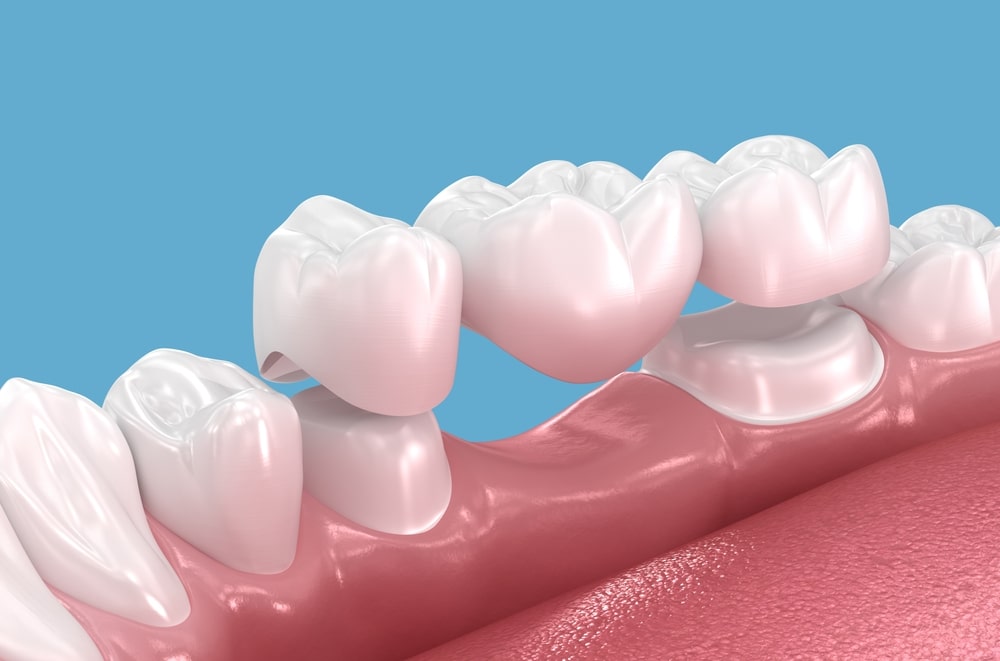
Oral health affects much more than teeth alone. Gum disease and infections can influence overall health significantly.
Simple oral health checks include observing gum color, sensitivity, bleeding, and persistent bad breath. Healthy gums usually appear pink and firm rather than swollen or painful.
Regular brushing, flossing, hydration, and dental visits remain important preventive habits. Ignoring oral health can allow minor problems to become expensive and painful conditions later.
Many people underestimate how strongly oral health connects with confidence, nutrition, and general wellness.
Why Consistency Matters More Than Perfection
The purpose of simple health checks is awareness, not fear. Many people stop monitoring wellness because they expect perfection or become overwhelmed by information.
Consistency matters far more than strict routines. Small observations repeated regularly often reveal more useful insight than occasional extreme efforts.
Healthy living develops gradually. People who build simple wellness habits into daily life usually maintain them longer than those attempting unrealistic changes overnight.
The body changes naturally over time, which is why regular monitoring helps create realistic understanding rather than unnecessary panic.
Building a Health-Conscious Lifestyle
Simple health checks work best when combined with healthy routines. Nutritious food, movement, hydration, stress management, and quality sleep all support long-term wellness.
People who pay attention to their health often become more mindful about daily decisions. They may begin choosing healthier meals, walking more frequently, or improving sleep schedules naturally.
Family habits matter too. Encouraging wellness awareness within households can create healthier environments for children and adults alike.
Technology also offers helpful tools. Fitness trackers, hydration reminders, sleep apps, and digital journals can simplify routine monitoring without making it complicated.
The goal is not obsession but awareness. Balanced self-care allows people to feel more connected to their bodies and better prepared to address changes early.
FAQs
What are simple health check methods?
Simple health check methods are basic ways to monitor physical and mental wellness, such as checking blood pressure, pulse, weight, sleep quality, hydration, and energy levels.
Can health checks be done at home?
Yes, many health checks can be done at home using simple tools or observations. Blood pressure monitors, scales, and pulse checks are common examples.
Why is regular health monitoring important?
Regular monitoring helps identify changes early, encourages healthier habits, and supports preventive care before problems become serious.
How often should I check my blood pressure?
People with normal blood pressure may check it weekly or monthly, while those with hypertension may require more frequent monitoring based on medical advice.
What signs indicate poor health?
Persistent fatigue, sudden weight changes, poor sleep, breathing difficulties, digestive problems, and unusual skin changes can sometimes indicate health concerns.
Is mental health part of overall wellness?
Yes, emotional and mental well-being strongly affect physical health, energy, relationships, and daily functioning.
Can healthy habits reduce health risks?
Healthy eating, exercise, hydration, sleep, and stress management can significantly support long-term wellness and reduce many common health risks.
Final Thoughts
Simple health check methods help people stay connected to their bodies and recognize important changes before they become serious concerns. These checks are not complicated, expensive, or time-consuming. Small habits like monitoring blood pressure, observing sleep quality, checking hydration, and paying attention to emotional health can provide meaningful insight into overall wellness.
Modern life often encourages people to ignore early warning signs, but awareness creates opportunity for prevention and healthier living. The body constantly communicates through energy, digestion, mood, breathing, and physical changes. Learning to recognize these signals can improve both confidence and quality of life.
Health is built through consistent attention rather than extreme measures. People who develop simple monitoring habits often become more mindful of their choices and more proactive about their well-being. Over time, these small actions can support stronger physical health, emotional balance, and greater peace of mind.
For More Visits: Mymagazine