

 English


































































































































































































































































































































































































![swimsuit edition [abbb] - 1.20 21 swimsuit edition - chapter](https://mymagazine.blog/wp-content/uploads/2025/09/swimsuit-edition-abbb-1.20-21-swimsuit-edition-chapter1-1024x574.webp)





Electric Power Distribution: How Distribution Systems Deliver Electricity to End Users


Electric power distribution is the final stage of delivering electrical energy from generation stations to individual consumers. It connects transmission networks with local distribution systems and ensures that electricity reaches customers safely and efficiently.
- How an electrical power distribution system works in practice
- Main components of power distribution networks
- Types of distribution systems and their characteristics
- From transmission to distribution: managing voltage and power flow
- Ensuring reliability and efficiency in modern electricity distribution
A well-designed power distribution system supports reliability, stable power flow, and continuous supply across regions.
How an electrical power distribution system works in practice
An electrical power distribution system carries electricity from transformer substations to end users through distribution lines and cables. After energy leaves high voltage transmission lines, it is reduced to medium voltage and then to low voltage using distribution transformers. This step is essential because electrical power must be supplied at levels suitable for homes, business use, and other equipment.
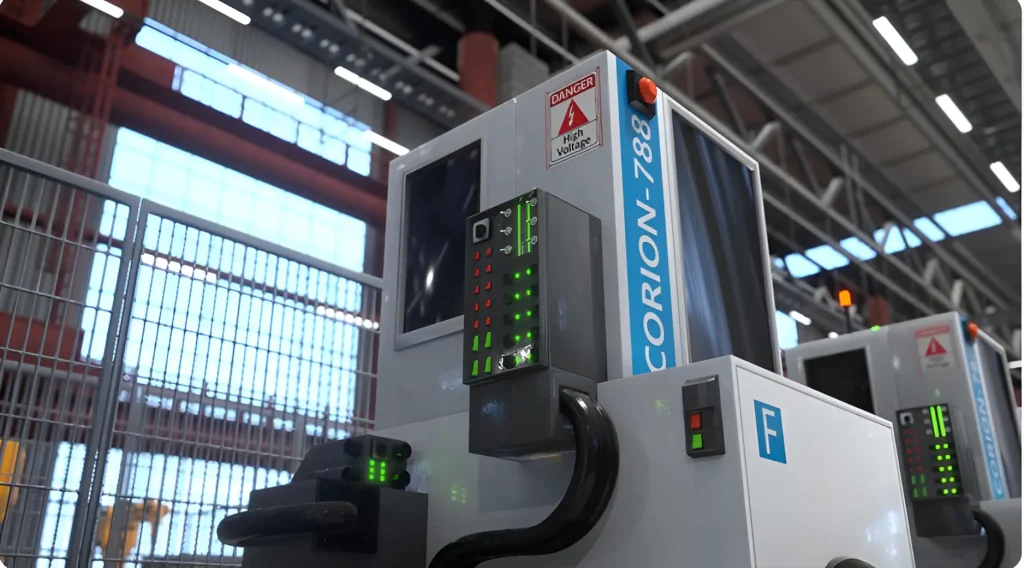
The system operates as a network of connected elements, including substations, circuits, and service drop connections. Each component has a specific function and is responsible for maintaining stable voltage and efficient energy transfer. This is where electric power distribution ensures that energy is delivered consistently from the grid to end users.
Main components of power distribution networks
Power distribution networks consist of several key elements that work together to deliver electricity. The main component groups include infrastructure for transmission, transformation, and final delivery.
A typical structure includes:
- transformer substations that manage voltage levels and control power flow,
- distribution transformers that reduce voltage for local use,
- distribution lines and cables that carry electricity to consumers,
- service drop connections that connect individual consumers directly to the system.
These elements ensure that electrical energy is distributed across the grid in a controlled and reliable way. Proper design reduces power loss and improves efficiency.
Types of distribution systems and their characteristics
There are two types of distribution systems commonly used: radial system and network system. In a radial system, electricity flows from a single source to consumers, which makes it simple but less reliable if failure occurs. In contrast, network systems can use multiple sources, which improves reliability and allows the system to operate even when one part fails.
An example of this difference can be seen in urban and rural areas. Cities often use more complex distribution networks to ensure continuous supply, while simpler systems may be used in less dense regions.
From transmission to distribution: managing voltage and power flow
Transmission systems move electrical power over long distances using high voltage transmission lines. Once electricity reaches substations, it enters the distribution stage, where voltage is reduced and power is distributed locally.
This transition is critical for maintaining stability in the electricity system. Engineers must control power flow, frequency, and load to ensure that energy systems remain balanced. Without proper management, issues such as power loss or instability in the grid can affect customers.
Ensuring reliability and efficiency in modern electricity distribution
Modern electricity distribution focuses on reliability, efficiency, and sustainable operation. Advanced technology allows operators to monitor networks, detect faults, and respond quickly when failure occurs. This helps maintain continuous supply and protects both equipment and consumers.
Energy systems today are designed to be more flexible and efficient. They support distributed generation, integrate renewable energy sources, and improve overall performance of the power grid. As demand grows, the role of effective electrical power distribution becomes even more important for every country and region.
For More Visits: Mymagazine
