

 English























































































































































































































































































































































































































![swimsuit edition [abbb] - 1.20 21 swimsuit edition - chapter](https://mymagazine.blog/wp-content/uploads/2025/09/swimsuit-edition-abbb-1.20-21-swimsuit-edition-chapter1-1024x574.webp)





Generator Connection Safety Tips Every Homeowner Needs

Generators keep essential home appliances functioning during power outages, but improper connections can lead to significant hazards. Electrical mishaps, fire risks, and equipment damage are just a few of the potential dangers. Homeowners must prioritize safety by learning the right techniques for connecting generators, especially when researching how do you hook up a generator to your house safely and correctly. Whether deploying a portable unit or investing in a standby system, proper installation is key. This guide offers critical insights into safe generator connections, from understanding basic setup principles to applying best practices for efficient power management. Following these safety tips will ensure reliable backup power while safeguarding your household from potential harm. Equip yourself with the knowledge to make informed decisions for generator connections and turn outages into mere inconveniences rather than emergencies.

Generator Connection Basics Every Homeowner Should Know
Common Ways Homeowners Connect Portable and Standby Generators
Portable generators are often used for temporary power needs. They are typically connected directly to appliances using extension cords. This method is simple but not ideal for whole-house coverage due to limited capacity. An alternative is connecting the portable unit to the home’s electrical system using a manual transfer switch. This device safely diverts power from the generator to selected circuits within your home.Standby generators, on the other hand, are installed permanently outside. They are hardwired into the home’s electrical panel and start automatically when an outage occurs. This type of generator offers seamless power continuity and controls itself with minimal user intervention, making it a preferred choice for comprehensive home backup systems.
How Home Electrical Systems Handle Backup Power Connections
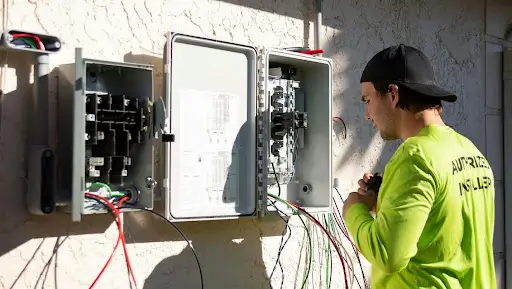
Your home’s electrical system is designed to handle and distribute grid power safely. When connecting a generator, it’s crucial to maintain this safety standard. A transfer switch is essential, especially for portable generators. It separates the generator and grid power, preventing feedback, which can harm utility workers and damage your equipment. Standby generators typically incorporate automatic transfer switches that ensure your home smoothly transitions between grid and generator power as needed.Homeowners must ensure proper load management when using generators. Unbalanced power distribution can overload circuits and damage electronics. Prioritize essential appliances and systems to prevent overloading and manage generator capacity effectively. Correct installation procedures and understanding the functioning of home electrical systems are foundational to safe generator usage and reliable home power protection.
Best Practices for Connecting a Generator to Your Home
Using a Transfer Switch for Smooth Power Management
A transfer switch is pivotal for managing generator power. It safely disconnects your home from the grid during an outage and directs generator power to selected circuits. This avoids dangerous backfeeding, protecting utility workers and preventing fire risks. Transfer switches streamline power allocation, allowing you to prioritize essential circuits and maintain balance across your electrical system. Installation requires professional expertise to ensure adherence to electrical codes and safe operations. Using a transfer switch not only enhances safety but also optimizes power efficiency, ensuring your generator’s capability meets your home’s demands effectively without compromising safety.
Selecting the Right Cables, Outlets, and Connection Points
Choosing the correct cables and outlets is crucial for safe generator connections. High-quality, weather-resistant extension cords prevent accidental electrocution and ensure reliable power transfer. For portable units, connect appliances using durable outdoor-rated cords with proper grounding. Similarly, invest in heavy-duty generator cords for linking your unit to your home’s power inlet box or transfer switch.Connection points should be easily accessible but protected from weather elements. Ensure linkages are secure, functioning optimally without sustaining wear over time. Periodically inspect cables and outlets for signs of damage or corrosion and replace as needed, maintaining a safe and efficient power connection between your generator and home systems.
Following Manufacturer Setup Guidance for Home Backup Systems (Anker SOLIX Example)
Manufacturers provide specific setup guidance tailored to each generator model for optimal safety and performance. Anker SOLIX, for instance, offers detailed installation instructions with safety warnings and power management tips. Homeowners should meticulously follow these guidelines. Proper setup ensures generators function efficiently without posing safety risks or experiencing performance issues.A common recommendation includes maintaining adequate clearance around standby units for ventilation and heat dispersion. This prevents overheating and ensures your generator operates effectively during extended use. Manufacturers like Anker SOLIX provide customer support and installation services for complex setups, ensuring homeowners benefit from professional expertise. Adhering to these recommendations not only enhances power reliability but also prolongs the life and efficiency of your home backup system.

Smart Generator Use and Ongoing Home Power Care
Proper Generator Placement for Efficient Home Operation
Location matters significantly for generator safety and performance. Generators should be placed outdoors in well-ventilated areas to prevent carbon monoxide buildup. Ensure a minimum of three feet of clearance around all sides for optimal airflow. Avoid placing units near windows, doors, or vents where exhaust fumes might enter your home. Portable generators require leveled ground and durable coverings to shield them from adverse weather while ensuring easy access for maintenance and refueling.Strategic placement can enhance both safety and operational efficiency. Professional advice might be necessary to determine the best location for standby units, considering local regulations and installation requirements. Proper placement not only enhances safety but improves generator performance, ensuring dependable home power during outages.
Routine Checks, Load Planning, and Power Balance Tips
Routine checks are essential for maintaining generator performance and safety. Regularly inspect fuel levels, oil, and filters to prevent operational issues. Check for leaks and corrosion, and perform timely replacements as needed. Proper load planning is crucial to prevent burnout and improve longevity. Prioritize essential circuits and avoid overloading your generator’s capacity. Use wattage calculators to outsmart potential imbalances, intelligently distributing power where it is most needed.Balance power effectively by considering peak usage times and appliance priorities. These smart practices ensure your generator runs smoothly during outages, safeguarding your home while maximizing efficiency. Keep a logbook for maintenance checks and usage patterns, informing future power management decisions.
Conclusion
Safety and efficiency are paramount when using generators for home backup power. Understanding connection basics and following best practices ensures reliable performance and protects your home from potential hazards. Employing transfer switches, selecting appropriate equipment, and adhering to manufacturer guidelines enhance safety and operational efficiency. Smart usage and routine checks maintain system integrity and optimize power reliability long-term. Equip yourself with these essential tips, minimizing risks and turning power outages into manageable events. Ensuring informed, safe generator connections empowers homeowners to safeguard their families and properties effectively.
For More Visits: Mymagazine
