

 English











































































































































































































































































































































































































![swimsuit edition [abbb] - 1.20 21 swimsuit edition - chapter](https://mymagazine.blog/wp-content/uploads/2025/09/swimsuit-edition-abbb-1.20-21-swimsuit-edition-chapter1-1024x574.webp)





The Smart Garage: Preparing Your Home for an Electric Vehicle Transformation


Turning your garage into a “smart” charging hub is the single best way to ensure your transition to electric driving is stress-free. Here is everything you need to know about preparing your home for the EV revolution.
Assessing Your Home
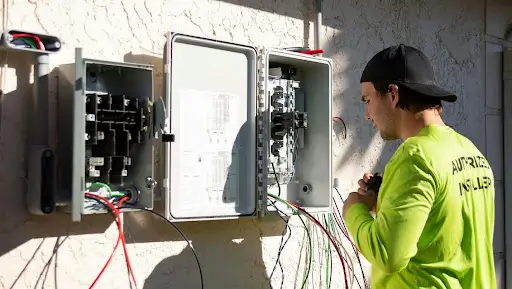
Before you pick out a shiny new charger, you need to know if your home can handle the added workload. Think of your electrical panel as a heart; it has a limited amount of “beats” (amperes) to give.
Most modern homes feature a 200-amp panel, which is generally plenty for an EV charger alongside your AC, oven, and dryer. However, older homes with 100-amp or 125-amp panels may require a “service upgrade” or a smart load-management device. A licensed electrician can perform a load calculation to see if there’s enough headroom for a dedicated EV circuit without blowing a main fuse.
Choosing Your Level of Power
Not all charging is created equal. Understanding the “Levels” is the first step in your garage transformation:
- Level 1 (The Emergency Option): This uses a standard 120V wall outlet. It is painfully slow, adding only about 3–5 miles of range per hour. It’s fine for plug-in hybrids or those who drive very few miles, but for a full EV, it’s rarely enough.
- Level 2 (The Standard): This requires a 240V circuit—the same kind used by a heavy-duty clothes dryer. A Level 2 station can fully charge most EVs overnight, delivering 25–40 miles of range per hour. This is the heart of any true “Smart Garage.”
You will also need to choose between a plug-in unit (which uses a NEMA 14-50 outlet) and a hardwired unit. Hardwired units are often preferred because they can safely handle higher currents (up to 48 or 50 amps) and are more resistant to the elements.
Why a “Smart” Charger is Non-Negotiable
In 2026, a basic “dumb” charger that just passes electricity is outdated. A smart charger connects to your home Wi-Fi and offers three critical advantages:
- Cost Optimization: Many utility companies offer “Time-of-Use” (TOU) rates. A smart car charger ev can be programmed to start only after midnight when electricity is at its cheapest and cleanest.
- Remote Monitoring: You can check your car’s state of charge from your phone, receive alerts if the plug isn’t seated correctly, and track exactly how much you’re spending on “fuel” each month.
- Load Balancing: If you plan on having two EVs in the future, smart chargers can “talk” to one another to ensure they don’t draw too much power at once, sharing the available electricity safely between both cars.
Safety, Permits, and Professionalism
While it’s tempting to treat a charger installation as a weekend DIY project, it involves high-voltage electricity that runs for hours at a time. This generates significant heat.
Always hire a certified electrician who specializes in EVSE (Electric Vehicle Supply Equipment). They will ensure the wire gauge is thick enough to handle the sustained load and, crucially, pull the necessary municipal permits. Having a recorded permit and an inspection certificate is vital for your home insurance and can be a major selling point when you eventually decide to sell your home.
Future-Proofing for the Two-EV Household
Even if you only own one EV today, the chances of your household owning two in five years are high. When you have the electrician out to run wires, consider these “future-proof” upgrades:
- Upsize the Conduit: Installing a larger pipe (conduit) than you currently need makes it much cheaper to pull extra wires later for a second charger.
- NACS vs. J1772: Ensure your charger uses the industry-standard connector for your region. In North America, many are shifting to the NACS (Tesla) standard, but universal “J-style” chargers are still widely available with adapters.
- Tax Credits: Many federal and local programs (like the 30C tax credit in the US) offer up to 30% back on the cost of the hardware and installation. Check your local utility website—some will even provide the charger for free if you agree to charge during off-peak hours.
The Bottom Line
Preparing your garage is an investment that pays for itself in convenience. Instead of searching for a charging station in the rain, you’ll simply wake up every morning to a “full tank” and a home that is ready for the future of transportation.

