

 English




















































































































































































































































































































































































































![swimsuit edition [abbb] - 1.20 21 swimsuit edition - chapter](https://mymagazine.blog/wp-content/uploads/2025/09/swimsuit-edition-abbb-1.20-21-swimsuit-edition-chapter1-1024x574.webp)





Dash Cam with GPS vs. Standalone GPS Tracker: What’s Best for Business Vehicles?


As commercial fleets become more data-driven in 2026, businesses are reevaluating how they monitor vehicles, manage driver safety, and protect assets. A common decision point involves choosing between a dash cam with gps, a gps tracker, or a more comprehensive tracking system. While these technologies may seem similar at first glance, they serve distinct purposes and deliver different operational benefits.
Selecting the right solution requires more than comparing feature lists. It involves weighing cost, safety impact, legal considerations, driver accountability, scalability, and long-term return on investment. For fleet managers, logistics operators, construction firms, and service-based businesses, the decision can significantly affect operational efficiency and risk exposure.
This article provides an objective comparison of these technologies, explores the trade-offs involved, and highlights the practical challenges businesses face when implementing them.
Understanding the Core Technologies
Before comparing options, it’s important to understand what each solution typically offers.
A GPS tracking system primarily focuses on location data. It provides real-time vehicle positioning, route history, speed monitoring, idle tracking, and geofencing alerts. For many businesses, this visibility is the foundation of fleet management.
A dashcam GPS tracker, on the other hand, combines video recording with location and telematics data. It captures road footage, monitors driving behavior, and often includes event-triggered recording during harsh braking, collisions, or sudden acceleration.
Both solutions can be integrated into broader fleet management platforms, but they differ in complexity, cost, and operational impact.
Operational Visibility: Data vs. Context
One of the most significant differences between these systems lies in the type of insight they provide.
A location-based monitoring solution tells managers where a vehicle is and how it is being driven in terms of speed and routes. This is valuable for dispatch efficiency, fuel control, and verifying service completion. However, it does not explain why an incident occurred.
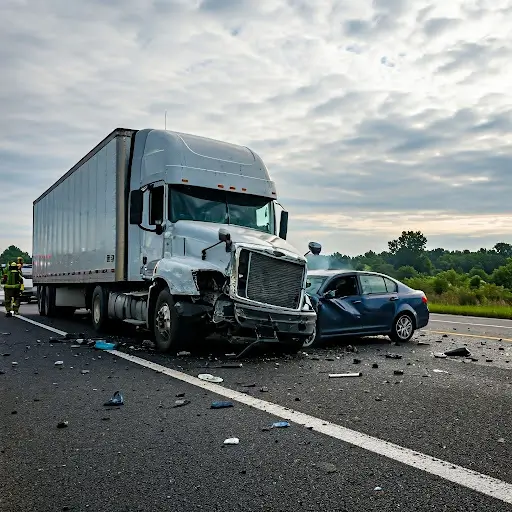
A camera-enabled solution adds visual context. If a driver brakes suddenly or an accident occurs, managers can review footage to understand what happened. This can clarify liability disputes, prevent fraudulent claims, and support insurance negotiations.
The trade-off here involves data depth versus cost and complexity. While video evidence provides clarity, it requires greater storage capacity, bandwidth, and oversight. Companies must decide whether their risk profile justifies that additional investment.
Safety and Driver Accountability
Driver safety is a central concern for commercial fleets. Both technologies influence behavior, but they do so differently.
Location monitoring systems encourage route compliance and speed adherence because drivers know their movements are recorded. This alone can reduce risky driving and fuel waste.
Video-enabled systems introduce a stronger accountability factor. Drivers are aware that unsafe behaviors such as phone usage, distracted driving, or aggressive maneuvers may be captured. Studies across fleet industries suggest that visual monitoring can significantly reduce accident rates when implemented transparently and ethically.
However, there are challenges. Some employees may view in-cab cameras as intrusive. Privacy concerns can impact morale if policies are not clearly communicated. Businesses must balance safety improvements with workplace trust. Transparent policies, clear usage guidelines, and compliance with local data protection laws are essential when deploying video technology.
Cost Considerations and ROI
Budget constraints often shape technology decisions. A basic GPS tracking system generally has lower upfront hardware costs and reduced data storage expenses. Monthly subscription fees are also typically more affordable.
A dashcam GPS tracker usually costs more per vehicle due to integrated cameras, higher data transmission requirements, and cloud storage for video archives. Installation may also be more complex.
Yet focusing only on upfront costs can be misleading. Businesses should evaluate total cost of ownership alongside potential savings. Video evidence can reduce insurance premiums, defend against false claims, and shorten legal disputes. For high-risk fleets—such as delivery trucks operating in congested urban environments—the savings from even one avoided lawsuit can outweigh equipment costs.
Conversely, for low-mileage or low-risk fleets, the additional expense may not provide proportional value. A smaller service company operating within limited geographic areas may find that location monitoring alone satisfies operational needs.
The trade-off here is between short-term affordability and long-term risk mitigation.
Scalability and Integration
In 2026, most fleet technologies are expected to integrate with route planning software, maintenance scheduling tools, fuel monitoring platforms, and enterprise resource planning systems.
A standard GPS tracking system is often easier to scale across large fleets due to lower data intensity. It can be deployed across dozens or hundreds of vehicles without overwhelming IT infrastructure.
Video-enabled solutions, while increasingly cloud-based, demand stronger network reliability and backend data management. Businesses operating in rural or low-connectivity areas may face upload delays or data synchronization challenges.
Companies planning rapid expansion should consider how easily their chosen platform integrates with existing software. Scalability is not just about adding vehicles—it’s about maintaining performance, data accessibility, and reporting efficiency as operations grow.
Legal and Compliance Factors
Legal considerations differ depending on jurisdiction and industry. Transportation, logistics, and government fleets often face strict compliance requirements.
Location tracking supports regulatory adherence by documenting hours of operation, route histories, and vehicle usage patterns. This is valuable for audits and safety inspections.
Video recording introduces additional legal layers. Businesses must comply with data protection laws, inform employees about monitoring practices, and establish retention policies. Improper handling of recorded footage can create liability risks rather than reducing them.
When evaluating options, companies must assess how technology aligns with labor laws, privacy regulations, and union agreements. Ignoring these factors can lead to disputes or fines.
Asset Protection and Theft Prevention
Both technologies play a role in theft prevention, though in different ways.
Location monitoring allows stolen vehicles to be tracked and recovered quickly. Geofencing alerts notify managers if a vehicle leaves a designated zone outside approved hours.
Camera systems add a deterrent effect and may capture footage of unauthorized activity. However, they do not physically prevent theft. Their primary value lies in documentation rather than prevention.
Businesses operating in high-theft industries, such as construction or equipment rental, may prioritize location-based alerts for immediate response. In contrast, delivery services concerned about cargo disputes may benefit more from visual evidence.
Driver Coaching and Performance Improvement
Modern fleet management emphasizes proactive coaching rather than reactive discipline.
A GPS tracking system can identify patterns such as excessive idling, speeding, or inefficient routing. Managers can use this data to train drivers and reduce fuel consumption.
Video-based systems provide a stronger coaching tool. Managers can review specific events and offer targeted feedback. Some platforms use AI to flag risky behavior automatically, reducing manual oversight.
However, effective coaching requires time and management resources. Installing advanced monitoring technology without a structured feedback process limits its benefits. Businesses must ensure they have staff capacity to analyze data and implement improvement programs.
Industry-Specific Considerations
Different sectors have different priorities.
Delivery and logistics companies face high accident exposure in busy urban areas. For them, video documentation may provide stronger legal protection.
Construction and field service businesses may prioritize vehicle location and asset tracking over in-cab footage, especially if vehicles are primarily tools for transporting equipment rather than interacting with the public.
Public sector fleets often emphasize transparency and compliance, making a combined approach appealing if budgets allow.
Understanding industry risk profiles and operational realities is critical when choosing between technologies.
Implementation Challenges
Adopting new fleet technology is not without challenges. Common obstacles include installation downtime, driver resistance, data overload, and inconsistent connectivity.
Training is particularly important. Drivers and managers must understand how systems work and how data will be used. Without clear communication, technology can create tension rather than efficiency.
Data management is another concern. Advanced systems generate large volumes of information. Without structured reporting and analytics, valuable insights may go unused.
Finally, businesses must ensure cybersecurity standards are met. Connected fleet systems can become entry points for digital vulnerabilities if not properly secured.
Balancing Efficiency, Safety, and Cost
Choosing between a location-focused solution and a camera-integrated system is not about determining which is universally better. It is about aligning technology with business objectives.
If the primary goal is route optimization, fuel efficiency, and basic compliance, a GPS tracking system may provide sufficient functionality at a lower cost.
If the priority is reducing liability, defending against accident disputes, and enhancing driver accountability, a dashcam GPS tracker offers stronger protection and contextual evidence.
Some businesses adopt a hybrid approach—deploying camera systems in high-risk vehicles while using standard location tracking in others. This tiered strategy balances cost and protection.
Making a Strategic Decision in 2026
Fleet technology in 2026 is increasingly sophisticated, but successful implementation depends on strategic clarity rather than technological complexity.
Decision-makers should evaluate:
- Risk exposure and accident frequency
- Insurance costs and claims history
- Fleet size and growth plans
- Budget constraints
- Legal and compliance requirements
- Organizational capacity to manage data
The impact of this decision extends beyond equipment selection. It affects operational transparency, driver relationships, customer trust, and long-term profitability.
Final Thoughts
The choice between a camera-integrated vehicle solution and a standalone location monitoring platform is not simply a technical comparison. It is a strategic business decision shaped by safety priorities, financial considerations, regulatory requirements, and operational goals.
A GPS tracking system offers cost-effective visibility and efficiency improvements. A dashcam GPS tracker adds context, legal protection, and stronger accountability. Each approach has strengths and limitations, and the optimal choice depends on the specific needs of the business.
By carefully evaluating trade-offs and considering long-term impact, organizations can select a solution that enhances safety, improves performance, and supports sustainable growth in an increasingly competitive commercial environment.
For More Visits: Mymagazine
