 English






















































































































































































































































































































































































![swimsuit edition [abbb] - 1.20 21 swimsuit edition - chapter](https://mymagazine.blog/wp-content/uploads/2025/09/swimsuit-edition-abbb-1.20-21-swimsuit-edition-chapter1-1024x574.webp)





Why So Many Young People Hide Emotional Pain Until It Starts Showing in Other Ways

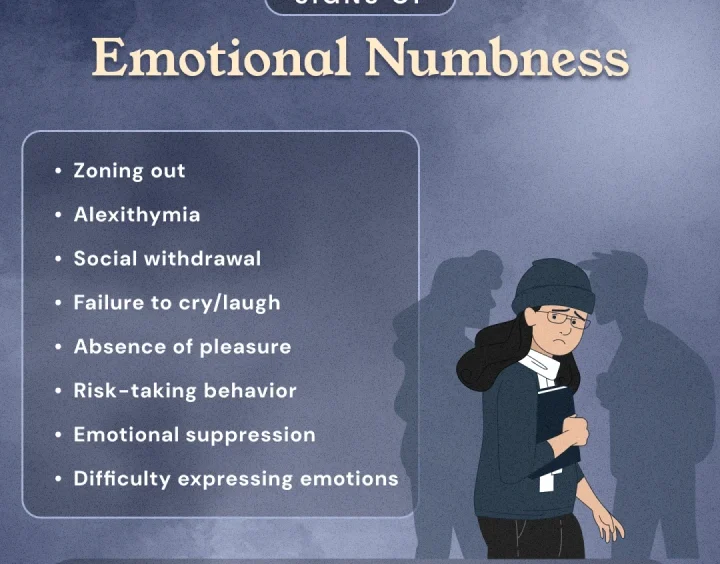
Young people are often loud, funny, busy, connected, and somehow still deeply alone. That sounds contradictory, but it is true more often than many adults want to admit. A teen can post jokes all day, show up to class, keep a streak alive on five apps, and still go to bed feeling numb. A college student can get good grades, hold a job, and look “fine” while quietly falling apart.
That is part of what makes youth emotional pain so easy to miss. It does not always look like tears, isolation, or an obvious crisis. Sometimes it looks like sarcasm. Sometimes it looks like overachievement. Sometimes it looks like anger, skipping class, sleeping all day, never sleeping at all, or acting as if nothing matters. Adults may call it attitude. Friends may call it a phase. But often, it is painful wearing a costume.
And that costume can stay on for a long time.
The Mask Gets Rewarded
Young people learn early which feelings get attention and which ones get dismissed. If they speak too openly, they may hear that they are dramatic, too sensitive, lazy, ungrateful, or “just hormonal.” If they stay high functioning, people praise them. So they keep going. They laugh at the meme, finish the project, answer “I’m good,” and move on.
That pattern does not come from nowhere. Kids and teens pick up signals fast. They notice when adults get uncomfortable. They notice when sadness is treated like weakness or when anger gets more response than fear. They notice when success matters more than well-being. So they adapt.
Humor, Hustle, and “I’m Fine”
A lot of emotional hiding happens in plain sight. Humor is one of the most common shields because it works. It lights the room. It keeps people from asking harder questions. A young person can turn pain into a joke and get applause for being funny instead of concern for being overwhelmed.
Others use performance as cover. They become the responsible one, the achiever, the athlete, the helper, the “easy” kid. That image protects them, but it also traps them. Once people expect competence all the time, asking for help feels like breaking character.
Silence Can Look Like Maturity
Sometimes adults misread silence as strength. A quiet teen may seem calm, respectful, or independent when they are actually emotionally shut down. A young adult who keeps everything private may look mature, but inside, they may be carrying panic, shame, grief, or depression with nowhere to put it.
That is the problem. Hidden pain often gets mistaken for self-control.
Social Media Makes It Harder, Not Easier
People love to say young people “share everything online,” but that is only partly true. Many share constantly without revealing much at all. Social media rewards performance, timing, and image control. You can post a highlight reel while your inner life is a mess. You can disappear into trends, aesthetics, and inside jokes so nobody notices you are struggling.
And then there is comparison. That old problem has new packaging now. Young people do not only compare grades, clothes, or looks. They compare friendships, coping styles, body language, life pace, and even how “mentally healthy” everyone else seems to be. It becomes easy to think, Everyone else is handling life better than I am.
That belief is powerful, and it is often false.
The Pressure to Stay Watchable
There is also the strange pressure of being visible all the time. Many young people feel they are not only living life but curating it. They think in captions, filters, reactions, and screenshots. That can create a gap between what they feel and what they show. The bigger the gap gets, the harder honesty feels.
So instead of saying “I feel awful,” they post something vague. Or ironic. Or polished. Or nothing at all.
When Pain Starts Coming Out Sideways
Emotional pain rarely stays hidden forever. It leaks. It shows up in school, at home, in relationships, in eating habits, in sleep, in focus, in risk-taking, and sometimes in substance use. This is where many adults get confused. They respond to the behavior but miss the distress underneath it.
A teen who snaps at everyone may not simply be disrespectful. A college student who stops turning work in may not simply be careless. A young person who drinks too much every weekend may not just be “having fun.” Sometimes the behavior is the signal.
Here’s the thing. Pain that does not have language often finds action.
Rebellion Is Not Always About Rules
Young people sometimes act out because they are overwhelmed, ashamed, or emotionally flooded. Breaking rules can become a way to express what they cannot explain. It can also become a way to feel control when life feels chaotic.
For some, self-medication enters the picture. Alcohol, pills, vaping, weed, and other substances can seem like quick relief. They dull anxiety. They soften loneliness. They help a person feel less awkward, less angry, less exposed. But relief is not the same as healing. Over time, that coping style can lead to bigger problems and a deeper sense of isolation. In more serious cases, structured support such as Addiction Treatment in California can become part of the recovery path, especially when emotional distress and substance use start feeding each other.
Why Adults Keep Missing It
Some adults genuinely care but still miss the signs. Part of that comes from outdated ideas about what mental health struggles look like. They expect obvious sadness. They expect tears, confessions, and visible collapse. But many young people hide pain through productivity, irritability, or emotional flatness. Those signs do not always trigger concern right away.
Another issue is timing. Adolescence and young adulthood are already messy stages. Mood changes, identity shifts, friend drama, and impulsive choices are common. That makes it easy to brush off real suffering as “normal teenage stuff.” But normal stress and serious distress are not the same thing.
The “They’ll Grow Out of It” Problem
This one causes a lot of damage. When adults assume a young person will simply outgrow emotional pain, they delay help. And delay matters. Early support can change the course of anxiety, depression, trauma responses, and unhealthy coping patterns. Waiting often makes the problem harder to untangle later.
Families also miss signs when they focus only on visible behavior. If a child is still attending school, still eating dinner, still joking around, many assume everything is manageable. But young people can function and struggle at the same time. In fact, many do.
What Real Support Looks Like
Support starts with noticing patterns, not waiting for a breakdown. Has a young person become more withdrawn, more explosive, more perfectionistic, more numb, more secretive, more reckless? Are they sleeping differently, eating differently, or losing interest in things they used to care about? Changes matter, especially when they pile up.
It also helps to ask better questions. Not “What’s wrong with you?” but “What’s been feeling heavy lately?” Not “Why are you acting like this?” but “When did things start feeling harder?” The tone matters. So does timing. So does whether the young person feels safe enough to answer honestly.
And support should not depend on a full-blown crisis. Counseling, peer support, school-based mental health care, family therapy, and early intervention all matter. When emotional pain is tangled with substance use, more focused care may be necessary. Programs that address both behavior and underlying distress, including options like Drug Addiction Treatment in CA, can help young people rebuild stability before the damage grows deeper.
Listening First Helps More Than Lecturing
Young people do not need adults to have perfect wording. They need adults who can stay calm, listen well, and not treat vulnerability like a problem to shut down. Sometimes the most useful response is simple: “I’m glad you told me.” That sentence can open a door.
Honesty also helps. Adults can admit that pain does not always look dramatic. They can say that coping badly does not make someone bad. They can make room for the idea that a young person may be hurting even if they are still laughing.
Pain Hidden Early Often Grows Later
A lot of young people hide emotional pain because they think they have to. They think they will burden people. They think nobody will understand. They think they should be tougher, calmer, more grateful, and less messy. So they keep it to themselves. They turn it into jokes, grades, anger, silence, scrolling, or rebellion. From the outside, it may not look serious. From the inside, it can feel exhausting.
That is why this issue matters so much. Hidden pain does not disappear because it is hidden. It settles into the body, the habits, the relationships, the choices. It changes how a young person sees themselves. And if nobody catches it early, it often gets louder later.
The goal is not to pathologize every mood swing or rough patch. Young people do have normal ups and downs. But when pain keeps showing up under different names, we need to stop calling it attitude and start calling it what it is. A signal. A warning. A chance to help before the silence hardens into something much harder to heal.