
 English















































































































































































































































































































































































![swimsuit edition [abbb] - 1.20 21 swimsuit edition - chapter](https://mymagazine.blog/wp-content/uploads/2025/09/swimsuit-edition-abbb-1.20-21-swimsuit-edition-chapter1-1024x574.webp)





What Parents Should Know About Dental Injuries During A Seizure


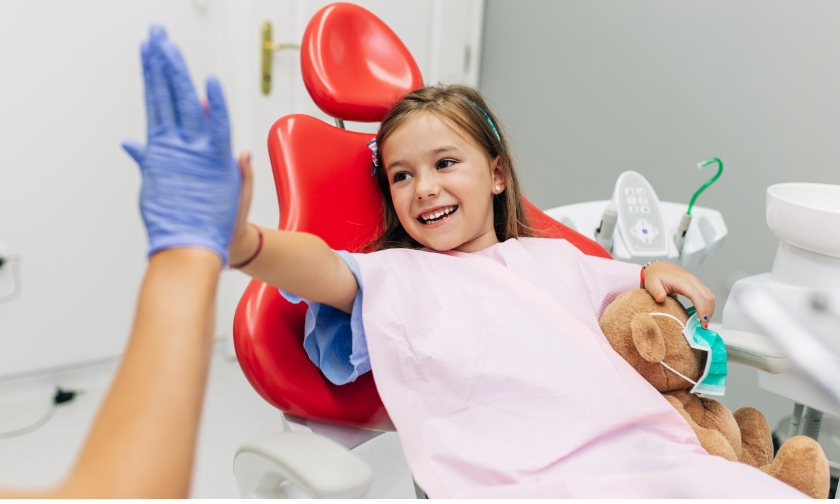
Seeing your child have a seizure is frightening on its own. When you notice blood in the mouth, a chipped tooth, or a bitten lip afterward, the panic can spike fast. You may be trying to figure out what happened, what needs care right away, and what could make things worse. That stress is real, and it often hits before you have time to think clearly. If you need follow-up dental support, Children’s Dental FunZone in Ontario, CA may be one place to consider.
What Parents Should Know About Dental Injuries During A Seizure comes down to a few key points. Teeth, lips, cheeks, and the tongue can be injured during a seizure. Some injuries need urgent medical or dental attention, while others can wait a short time if your child is stable. The first priority is seizure safety, not putting anything in the mouth. Once the seizure ends, you can check for broken teeth, bleeding, jaw pain, and trouble swallowing or breathing.
Dental injuries during seizures can happen quickly and look worse than they are
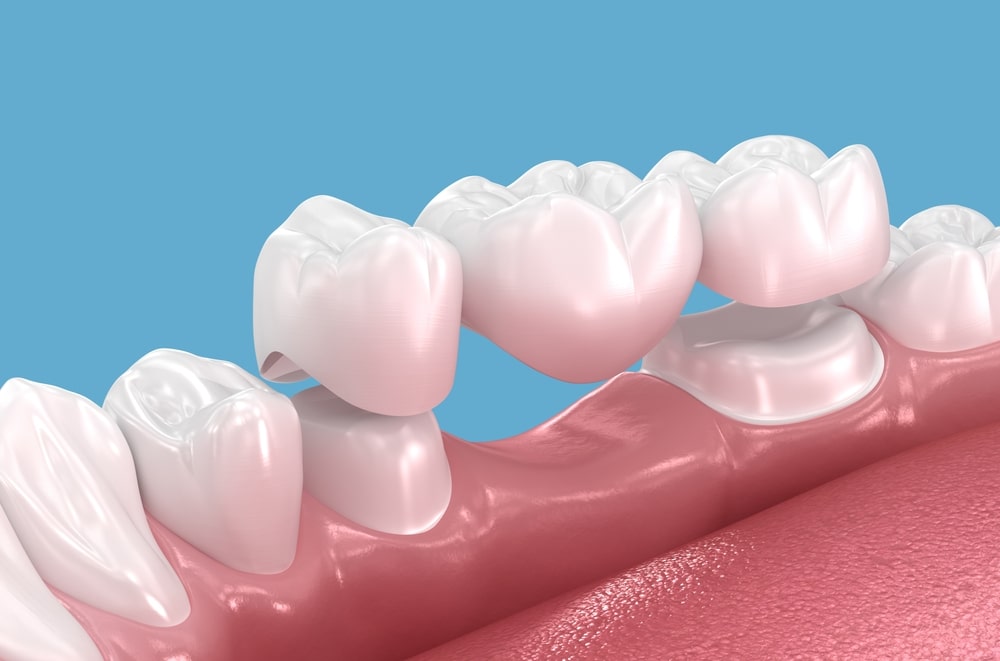
A seizure can cause sudden jaw clenching, falls, or forceful muscle movements. That can lead to a bitten tongue, cuts inside the cheeks, loosened teeth, cracked enamel, or a tooth being knocked out. Sometimes the blood looks heavy because mouth injuries bleed a lot, even when the injury is small. That can be alarming, especially if your child is already tired or confused after the seizure.
The bigger concern is missing what needs urgent care. A broken piece of tooth can cut soft tissue. A knocked out permanent tooth has a short window for the best chance of saving it. A jaw injury may not be obvious right away if your child is sore, sleepy, or not ready to talk. If your child has trouble breathing, ongoing heavy bleeding, severe swelling, or cannot open or close the mouth normally, get emergency help.
During the seizure itself, do not put fingers, a spoon, cloth, or any object in your child’s mouth. That can cause more damage to the teeth and soft tissues, and it can put you at risk of being bitten. The CDC’s seizure first aid guidance is clear on this point. Protect your child from nearby hazards, turn them on their side when you can, and time the seizure.
Parents often face a confusing mix of seizure first aid and dental first aid
This is where many parents feel stuck. You want to help the mouth injury right away, but the seizure changes the order of what matters. Airway and overall safety come first. The dental check happens after the seizure ends and your child is responsive enough for you to look safely.
Once things are calm, check the lips, gums, tongue, and teeth. Look for a chipped edge, a tooth that sits out of line, or a tooth that feels loose. Ask if it hurts to bite down. If a permanent tooth has been knocked out, quick action matters. According to MedlinePlus guidance on an avulsed tooth, handling the tooth by the crown instead of the root and getting prompt dental care can improve the chance of saving it. Baby teeth are different. They are usually not replanted because that can harm the adult tooth developing underneath.
Children with epilepsy may also face repeat injuries over time, which can create a pattern of worn teeth, small fractures, or anxiety around dental visits. A pediatric dentist can document changes, monitor healing, and help with prevention when seizures are a continuing concern.
Prompt evaluation helps prevent infection, pain, and long term tooth damage
Some injuries seem minor at first and become more serious later. A small crack can reach the nerve. A bruised tooth may darken over days or weeks. A cut on the tongue may heal well on its own, while a deep laceration may need medical care. A tooth that looks fine may still be loose from trauma to the supporting bone.
Clinical references on seizure related oral trauma note that injuries can involve teeth, soft tissues, and the jaw, especially when falls or forceful clenching occur. The NCBI review on oral health and epilepsy also points to the need for regular dental follow up because trauma may not always be obvious in the moment.
This is why seizure related dental trauma should not be brushed off if your child has mouth pain, visible tooth damage, swelling, or bleeding that keeps coming back. Early care can lower the risk of infection, bite problems, and more expensive treatment later.
Home observation and professional dental care serve different purposes
| Situation | What you can do at home | When a pediatric dentist or doctor is needed |
|---|---|---|
| Bitten tongue or cheek with mild bleeding | Rinse gently with water if your child is alert, apply clean gauze with light pressure, use a cold compress on the outside of the face | If bleeding does not stop, the cut is deep, or your child has trouble swallowing |
| Chipped tooth without severe pain | Save any broken piece, offer soft foods, avoid very hot or cold drinks | Dental visit soon to check for deeper fracture and smooth sharp edges |
| Loose or displaced tooth | Do not force it back into place, keep your child from wiggling it | Prompt dental exam to protect the tooth and bite alignment |
| Knocked out permanent tooth | Hold by the crown, rinse briefly if dirty, keep moist in milk or saliva if possible | Urgent dental care right away |
| Jaw pain, trouble biting, or mouth not closing normally | Limit chewing and use a cold compress | Urgent medical or dental evaluation for possible jaw injury |
Clear steps help when dental injuries happen during a seizure
- Put seizure safety first. Move hard objects away, place your child on their side when possible, and never place anything in the mouth. Time the seizure and follow your child’s seizure action plan if one has been provided.
- Check the mouth once the seizure ends. Look for bleeding, broken teeth, missing teeth, swelling, and changes in the bite. If a tooth is knocked out, act fast and save it correctly if it is a permanent tooth. If your child is not fully alert, avoid putting fingers deep in the mouth.
- Arrange the right follow up. Call your child’s doctor for seizure concerns and a pediatric dentist for tooth, gum, tongue, or jaw injuries. If there is heavy bleeding, breathing trouble, severe pain, or a possible broken jaw, seek emergency care.
Steady follow up protects your child’s comfort and long term oral health
Dental trauma during a seizure can leave you shaken long after the event ends, especially when your child is sore and scared too. Most parents are trying to make sense of a lot at once, and that is exactly why a calm, step by step approach helps. Keep the focus on safety first, then get the mouth checked carefully, and do not ignore injuries that seem small but keep hurting.
If your child has had a seizure and mouth injury, schedule an evaluation with a pediatric dentist so hidden damage does not turn into a bigger problem later.