

 English






























































































































































































































































































































































































































![swimsuit edition [abbb] - 1.20 21 swimsuit edition - chapter](https://mymagazine.blog/wp-content/uploads/2025/09/swimsuit-edition-abbb-1.20-21-swimsuit-edition-chapter1-1024x574.webp)





Travel Charger Safety: Avoiding Overheating and Damage

Packing electronic devices is now as natural as packing clothes, and a charger is often the one accessory we cannot travel without. Yet many travelers only realize the importance of charger safety when something goes wrong—such as a device heating up in a hotel room or a cable melting after use in a foreign outlet. With voltage standards, luggage pressure, and long charging sessions, travel presents unique risks for electronic accessories. In this article, we will explore how to pick safe travel chargers, adopt heat-reducing habits, and recognize early danger signs to stay safe on the road.

Choose the Right Charger for Travel
Why Universal Voltage Support is Critical?
Different countries operate on different voltage levels, and plugging a low-voltage charger into a high-voltage outlet can quickly cause heat buildup or even failure. A travel-ready charger that supports 100-240V input can automatically adapt to international power standards, making it safer and more resilient. Many people overlook this feature and only notice when a charger becomes too warm or produces a burning smell during use abroad. Checking the voltage rating printed on the charger body only takes a moment and could prevent a costly device failure during your trip. Picking universal-voltage chargers gives you peace of mind when moving between countries with varying power systems.
The Importance of Compact Design and Portability
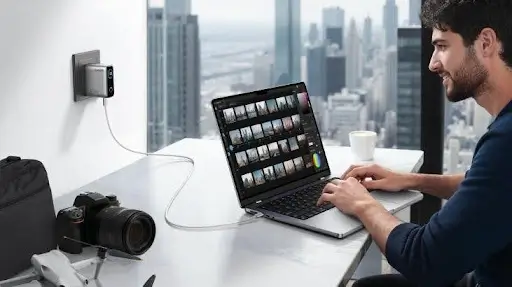
Space matters when traveling, and a bulky charger can easily become tangled or stressed inside a backpack or suitcase. A compact design reduces pressure on internal components and lowers the chance of cable bending and connector fatigue. This is where a multi usb charger can be especially useful, as it allows multiple devices to charge from one outlet while keeping luggage lighter, and many travelers prefer brands like Anker for their reliability and build quality. Smaller chargers are also less likely to trap heat under clothes or inside crowded outlets, helping maintain a safer temperature during charging. Thinking practically about size and convenience not only saves bag space but also contributes to long-term device safety.
Avoid Common Physical Hazards
Dangers of Using Damaged Cables and Adapters
Frayed insulation, exposed wires, or loose connectors are more than minor annoyances—they are serious electrical hazards. Damaged cables can spark, overheat, or fail unexpectedly, especially when used with unstable power sources common in old hotels or public terminals. Travelers sometimes ignore small cracks, thinking they will replace the cable later, but repeated bending during transit can rapidly worsen the issue. It is wise to check your cables before departure and replace anything worn out instead of attempting temporary fixes with tape. A fresh cable is cheaper than repairing a device damaged by a short circuit.
Risks of Overloading Outlets and Power Strips
Airports and hotels often provide limited outlets, leading many travelers to plug several devices into a single multi-socket adapter. While this seems convenient, drawing too much power can heat the charger or even trip room circuits. Overloaded outlets warm slowly and may not seem dangerous at first, but extended charging sessions make overheating more likely. To reduce risks, charge devices in rotation instead of powering everything simultaneously. A thoughtful charging schedule keeps temperatures under control and protects both devices and outlet hardware during your stay.
Prevent Overheating During Use
Using a charger for long hours without airflow can gradually raise its temperature, especially if placed on soft surfaces like pillows or blankets. Travelers often charge overnight, but covering a charger unintentionally blocks ventilation, allowing heat to accumulate. Placing chargers on desks or hard surfaces improves air circulation and reduces thermal stress. If you notice warmth that feels uncomfortable to touch, unplug the charger and let it rest for a few minutes. Monitoring temperature casually during use becomes a simple habit that prevents serious damage over time.
Smart Packing and Usage Habits
How to Safely Pack Chargers in Your Bag?
When packing, chargers are often stuffed into small pockets or wrapped tightly around adapters, which strains connectors and increases breakage risk. Instead, loosely coil cables and store them separately from sharp objects that could pierce insulation. Using a small organizer pouch helps keep accessories accessible and prevents overheating caused by compression in crowded luggage. During travel, avoid placing chargers in checked luggage where extreme temperatures and pressure changes may occur. Treating chargers as delicate electronics ensures they last longer and work more reliably from trip to trip.
When to Unplug and Give Devices a Break?
Even during everyday use, giving your charger short breaks helps prevent unnecessary heat accumulation. If you notice your device or plug becoming warmer than usual, disconnect it and allow both parts to cool naturally. Continuous charging during long flights or hotel stays may seem practical, but batteries appreciate intermittent rest. Unplugging once your device reaches a comfortable battery level—such as 70-90%—reduces thermal stress and prolongs overall battery health. Small pauses make a significant difference during multi-day travel.
Recognize Warning Signs and Respond
Identifying an Overheating or Failing Charger
A charger that consistently runs hot, produces an electrical smell, or charges slower than usual may be signaling internal wear. Subtle buzzing or flickering lights near outlets indicate unstable electrical flow, which should never be ignored. If you feel unusual warmth after only a short time of charging, consider switching outlets or reducing connected devices. Chargers that discolor or soften near the plug should be replaced immediately. Paying attention to these small warnings helps prevent accidents before they escalate.
Immediate Steps to Take in Case of Damage
If you suspect your charger is failing, unplug it carefully by the base rather than pulling the cord. Allow it to cool fully before inspecting, and do not continue using it if you see exposed wiring or melted plastic. Replace damaged items promptly instead of attempting home repair, which can void safety ratings and increase risk. If overheating occurs inside a hotel or shared accommodation, disconnect from power and notify staff if you suspect the outlet itself is faulty. Quick response protects your device and reduces fire hazards in unfamiliar environments.
Conclusion
A travel charger may seem like a small item, but choosing the right one and using it safely can protect both your devices and your peace of mind. By selecting universal-voltage chargers, avoiding overloaded outlets, packing with care, and watching for early warning signs, you greatly reduce the chance of overheating during trips. Simple habits—like providing airflow, unplugging once charged, and replacing damaged accessories—make every journey safer. Thoughtful use ensures your devices stay powered and protected wherever you go. Safe charging means smoother travel, fewer surprises, and more energy for the adventures ahead.
For More Visits: Mymagazine