
 English











































































































































































































































































































































































































![swimsuit edition [abbb] - 1.20 21 swimsuit edition - chapter](https://mymagazine.blog/wp-content/uploads/2025/09/swimsuit-edition-abbb-1.20-21-swimsuit-edition-chapter1-1024x574.webp)





How to Test If Your Phone Battery Needs Replacement?

Smartphone batteries quietly wear out over time, often without us noticing until daily routines become inconvenient. You may find yourself charging more often, carrying a power bank everywhere, or worrying about your phone dying during important moments like navigation or calls. These small inconveniences are usually early signs that your battery is no longer performing at its best. Since most people rely on their phones from morning alarms to late-night scrolling, battery health directly affects everyday comfort and efficiency. In this article, we will walk through practical ways to identify battery problems and decide when it’s time to replace or upgrade.
Watch for Common Symptoms
Battery Drains Faster Than Before
One of the most noticeable signs of battery aging is faster power drain during normal use. If your phone used to last a full day but now struggles to make it to the afternoon, the battery capacity has likely degraded. This often happens gradually, so you may not notice until the difference becomes significant. Activities like browsing, messaging, or watching videos start consuming more energy than expected. Over time, this can interrupt your workflow or force you to charge multiple times a day. For people who commute, travel, or rely on their phones for work, this change becomes especially noticeable and inconvenient.
Phone Shuts Down Unexpectedly
Unexpected shutdowns can be frustrating, especially when your phone still shows a remaining battery percentage. This usually indicates that the battery can no longer deliver stable voltage under load. You might experience this while using apps, taking photos, or even during calls. It becomes more common in colder environments or when the phone is under heavy use. These shutdowns are a clear sign that the battery is no longer reliable. In real-life situations, this could mean losing important data, missing messages, or being disconnected at critical moments.
Charges Slowly or Won’t Hold a Charge
Another common symptom is slow charging or the inability to hold a full charge. Even after reaching 100%, the battery may drop quickly within minutes of unplugging. Charging may also feel inconsistent, sometimes taking much longer than usual. This can disrupt daily routines, especially when you rely on quick top-ups before heading out. Over time, the inconvenience becomes hard to ignore. It can also affect how you plan your day, forcing you to stay near power outlets more often than you would like.
Check Battery Health
Most modern smartphones provide built-in tools or settings that allow you to check battery health. These indicators often show battery capacity relative to when it was new. If the health percentage drops significantly, it explains why your phone behaves differently. You can also observe patterns like how quickly the battery drops from 100% to 80%, which often reveals hidden issues. Keeping track of these details helps you make a more informed decision instead of guessing. Over time, understanding these small indicators can help you avoid sudden battery failures.
Look for Physical Signs
Swollen or Bulging Battery
Physical changes are among the most serious warning signs of battery problems. A swollen battery can cause the back cover to lift or the screen to bulge slightly. This is not just a performance issue but also a safety concern. Continuing to use a device in this condition can lead to further damage. If you notice any physical distortion, it is important to stop using the phone and seek a replacement solution. Acting early in this situation can prevent more serious risks.
Phone Overheats During Normal Use
While some warmth is normal during heavy tasks, frequent overheating during basic use is not. If your phone gets hot while browsing or messaging, the battery may be struggling internally. Heat accelerates battery degradation, creating a cycle that worsens over time. This can also affect overall device performance and comfort. Paying attention to temperature changes can help you catch issues early. A consistently cool and stable device usually indicates healthier internal components.
Run a Simple Test
Observe Drain Over One Hour
A simple and practical test is to fully charge your phone and then use it normally for one hour. Avoid heavy gaming or unusual tasks to keep the test realistic. If the battery drops significantly during this period, it indicates reduced capacity. This method reflects real-life usage better than technical measurements. Repeating this test occasionally can help you track changes over time. It also gives you a clearer understanding of how your phone performs during your everyday routine.
Test Performance in Safe Mode
Running your phone in safe mode helps identify whether battery drain is caused by apps or the battery itself. In safe mode, only essential system functions are active. If the battery performs much better in this state, background apps may be the issue. However, if the drain remains the same, the battery is likely the main problem. This test is simple but very effective in narrowing down the cause. It can save you time by preventing unnecessary troubleshooting steps.
When to Replace
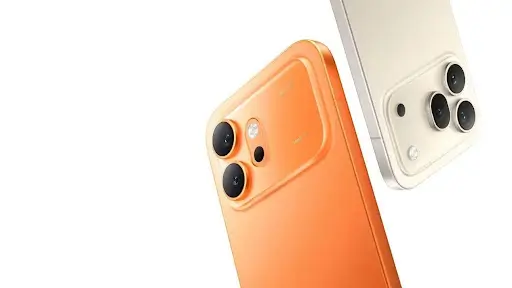
If your phone shows multiple signs like rapid drain, unexpected shutdowns, and overheating, it is usually time to consider a replacement. Continuing to use a degraded battery often leads to more frustration and reduced productivity. In many cases, upgrading to a device with stronger battery performance can greatly improve daily convenience. For users who rely on navigation, video calls, or long hours of screen time, a larger battery capacity makes a noticeable difference in daily comfort. A device like the HONOR 600, with its 7000mAh long-life battery, is designed to reduce the need for frequent charging and support more consistent daily use. In practice, this means fewer interruptions during busy days and a more relaxed experience where you don’t have to constantly check your battery level.

Conclusion
Battery health plays a crucial role in how smoothly your phone fits into your daily life. By paying attention to symptoms, checking system indicators, and running simple tests, you can clearly understand whether your battery is still reliable. Ignoring these signs often leads to unnecessary inconvenience and even safety risks. Replacing or upgrading at the right time ensures that your phone continues to support your routine without interruptions. With the right awareness, you can make smarter decisions and enjoy a more dependable mobile experience, especially when battery reliability becomes a top priority in everyday use.