

 English











































































































































































































































































































![swimsuit edition [abbb] - 1.20 21 swimsuit edition - chapter](https://mymagazine.blog/wp-content/uploads/2025/09/swimsuit-edition-abbb-1.20-21-swimsuit-edition-chapter1-1024x574.webp)





Driving Etiquette in Washington: Good Habits for New Drivers


Meta Description: Learn the rules of driving etiquette in WA. Our guide for new drivers covers polite driving habits, road manners, and how to safely share the road.
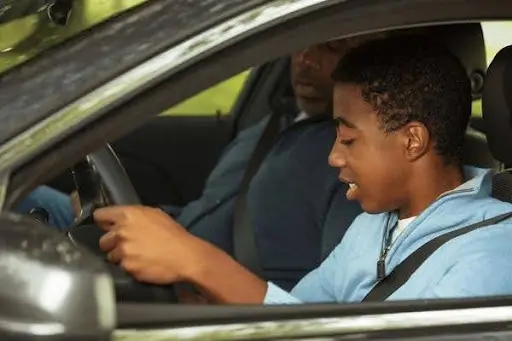
Passing your Washington Skills Test proves you know the laws of driving. Practicing good driving etiquette in WA proves you’re a safe, confident, and respectful driver.
Driving is a cooperative activity, not a competition. The “unwritten rules” of road manners are often just as important for safety as the written ones. A polite driver is a predictable driver, and a predictable driver is a safe driver. Learning to be courteous isn’t just “nice”; it’s a core part of the defensive driving mindset that keeps you and others safe on the road.
Why Driving Etiquette Matters?
Poor driving etiquette is the root cause of most traffic frustration and road rage. When a driver cuts someone off, tailgates, or “camps” in the left lane, they create a dangerous, high-stress environment for everyone.
Good, polite driving habits, on the other hand, de-escalate tension and improve traffic flow. Using a turn signal isn’t just a suggestion; it’s the most basic way you communicate your intentions, allowing the entire “team” of drivers around you to anticipate your moves and react safely.
Common Bad Habits to Avoid
The first step to good etiquette is recognizing the most common bad habits that put everyone at risk.
- Tailgating: This is the #1 sign of an aggressive and disrespectful driver. It eliminates your reaction time and intimidates the person in front of you.
- “Camping” in the Left Lane: In Washington, the left lane on a highway is for passing, not for “cruising” or “going 1 mph faster than the right lane.” Blocking the left lane is a major cause of traffic congestion and road rage.
- Not Signaling: A sudden lane change or turn without a signal forces every other driver to slam on their brakes. It’s a lazy habit that screams, “My actions are more important than your safety.”
- Blocking Intersections: Do not enter an intersection (the “box”) unless you are 100% certain you can get through it before the light turns red. Blocking traffic is a major disruption.
- Distracted Driving: Holding your phone is the ultimate sign of disrespect. It tells pedestrians, cyclists, and other drivers that their lives are less important than your notification.
WMST’s Top Tips for Responsible Driving
At WMST, we train students to be “defensive drivers,” and a huge part of that is being a courteous, predictable, and responsible member of the driving community.
- Embrace the 4-Second Rule: This is the ultimate etiquette tool. We teach the 4-second following distance not just for your safety, but for everyone’s. It’s the opposite of tailgating. It gives you space to slow down smoothly, which makes the driver behind you feel safer and reduces “phantom” traffic jams.
- Use the “Thank You Wave”: Someone lets you merge? Give a simple, clear wave. This small acknowledgment encourages future cooperation and lowers the stress level for everyone.
- Master the “Zipper Merge”: When a lane is ending, good etiquette is not to merge early. The most efficient and polite method is the “zipper merge.” Use both lanes all the way to the merge point, then take turns (one-by-one) merging. It’s proven to be faster and fairer for everyone.
- Give Space to Pedestrians and Cyclists: When sharing the road in WA:
- Pedestrians: They always have the right of way in a crosswalk. Stop well before the white line to show them it’s safe to cross.
- Cyclists: Treat them like another vehicle. Give them the full 3-foot “Move Over” buffer when passing, and always check your blind spot and the bike lane before making a right turn.
- Let Aggression Go: You will encounter aggressive drivers. Your goal is not to “teach them a lesson.” Your goal is to get home safely. Do not engage. Do not make eye contact. Give them space, let them pass, and be the calm, controlled driver in the situation.
Conclusion
Good driving etiquette is a habit, and it’s one you can start building from day one. By being predictable, communicating your intentions, and giving others space, you’re not just being nice, you’re being a smart, safe, and defensive driver.
Visit: Washington State Driver Guide
Frequently Asked Questions (FAQs)
What are some examples of good driving etiquette in WA?
Great examples include using your turn signal for every turn and lane change, using the “zipper merge,” giving a “thank you wave,” not tailgating (using the 4-second rule), staying out of the left lane unless you’re passing, and following the “Move Over” law for emergency vehicles.
How can I be courteous to pedestrians and cyclists?
For pedestrians, always stop for them in a crosswalk and make eye contact so they know you see them. For cyclists, give them at least 3 feet of space when passing and always check the bike lane before turning right.
Why is tailgating dangerous and disrespectful?
It’s dangerous because it removes all safe stopping distance, making a rear-end collision almost guaranteed if the car in front brakes suddenly. It’s disrespectful because it’s an aggressive, bullying tactic that causes stress and can easily escalate to road rage.
How do I handle aggressive drivers politely?
Do not engage. The safest and most “polite” response is to de-escalate. Do not speed up, do not brake-check, and do not make eye contact. Find a safe opportunity to move to another lane and let them pass. Your safety is the priority.
Does good etiquette help during a driving test?
Yes, 100%. The DOL examiner is trained to watch for a driver who is safe, confident, and aware. Good etiquette—like smooth stops, signaling every move, and checking your blind spots before changing lanes—is a core part of your score. Bad etiquette, like crowding a cyclist or being jerky and unpredictable, will quickly get you points off or fail your test.

