

 English















































































































































































































































































































































![swimsuit edition [abbb] - 1.20 21 swimsuit edition - chapter](https://mymagazine.blog/wp-content/uploads/2025/09/swimsuit-edition-abbb-1.20-21-swimsuit-edition-chapter1-1024x574.webp)





5 Key Strategies to Master the Art of Poker on Americas Cardroom


Poker isn’t just some card game you play with your buddies on Friday night–it’s this crazy mix of strategy, mind games, and pure luck that’s been hooking people for ages. If you want to get good at it, you’ll need discipline, smart thinking, and the guts to take calculated risks.
Maybe you’re drawn to those green felt tables for the rush, or maybe you just love the mental challenge. Either way, getting better at poker can seriously boost your win rate.
I’m going to walk you through five strategies that’ll take your game from “meh” to “holy crap, where did that come from?” We’re talking about reading people like open books and managing your money like a pro.
These aren’t just theories–they work. And as we dig into each one, think about how you can start using this stuff tonight.
1. Understand the Fundamentals
Every decent poker player will tell you the same thing: master the basics first. That means knowing your hand rankings cold, understanding position, and getting familiar with different poker variants. You’ve got to know which starting hands are worth playing and when to fold faster than a cheap lawn chair.
If you nail down these fundamentals, everything else becomes way easier. New players always ask what it takes to get better and how to play poker in serious games. Start with the basics. Practice at low-stakes tables where you won’t lose your shirt while you’re learning.
Trust me, once you’ve got this foundation down, you’ll handle even the weirdest situations without breaking a sweat.
2. Develop Emotional Intelligence
Your biggest enemy at the poker table is not bad cards. It’s you losing your cool.
Emotional control is everything when the pressure’s on. The best players I know can keep a straight face whether they’re holding pocket aces or seven-deuce offsuit. You need to learn how to avoid tilt–that nasty mental state where you’re frustrated and making stupid decisions because of it.
Watch your opponents for tells, but don’t give away your own. Start doing some mindfulness exercises. Check in with yourself before you sit down and during breaks. Are you stressed? Tired? Maybe tonight isn’t the night to play your A-game.
3. Master the Art of Bluffing
Bluffing separates the sharks from the fish.
A good bluff can turn trash into treasure, but here’s the catch–timing is everything. You can’t just bluff because it’s fun (though it is pretty fun). You need to understand your opponents first. How do they bet when they’re strong? What about when they’re weak?
The secret sauce? Mix your bluffs with your strong hands. If you only bet big when you’ve got the nuts, people will figure you out fast. Practice this gradually. Don’t go crazy with it right away, but start paying attention to what works against different types of players.
4. Table Positions and Odds
Your seat at the table matters more than you think. Late position is gold because you get to see what everyone else does before you act. It’s like having a crystal ball.
You also need to get comfortable with pot odds. I know, I know–math isn’t everyone’s favorite. But this stuff pays for itself. When someone bets into you, you need to know if calling makes sense based on the pot size and your chances of winning.
Practice these calculations during real games until they become second nature. Your wallet will thank you.
5. Bankroll Management
This might be the most important section in this whole article. I don’t care how good you are–if you can’t manage your money, you won’t last.
Set a poker budget and stick to it. No exceptions. Don’t chase losses (we’ve all been there, and it never ends well). Play at stakes that match your bankroll, not your ego.
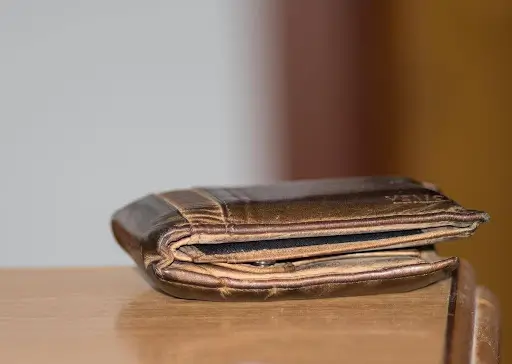
Here’s a simple rule: never risk more than 5% of your total poker bankroll in a single session. Some pros go even lower. Organize your money by stake levels and don’t mix your poker funds with rent money. That’s just asking for trouble.
The Bottom Line
Getting good at poker takes time. You need the technical skills, sure, but you also need to understand the mental game. Work on your fundamentals, keep your emotions in check, learn when and how to bluff, use position to your advantage, and for the love of all that’s holy, manage your money properly.
Take these ideas and try them out in your next session. Every hand is a chance to get better. Just remember–even the pros are still learning something new every time they sit down at the table.
