

 English
























































































































































































































































































































































































































![swimsuit edition [abbb] - 1.20 21 swimsuit edition - chapter](https://mymagazine.blog/wp-content/uploads/2025/09/swimsuit-edition-abbb-1.20-21-swimsuit-edition-chapter1-1024x574.webp)





How to Spot Common Cryptocurrency Scams and Stay Safe Online

Cryptocurrency’s popularity brings innovation but also a steady wave of inventive scams targeting unwary users. Recognizing warning signs and common tactics is essential for protecting your digital assets. This article offers clear guidance to identify prevalent frauds and develop safer online habits.
Interest in cryptocurrency grows each year, but with increased activity comes greater risk for users of exchanges and trading platforms such as bitdelta. Scammers leverage the rapid, irreversible nature of crypto transactions alongside social engineering to deceive users. By understanding why these scams are common, you can build essential digital self-defense skills. Safe navigation of this environment is important for anyone managing funds or interacting online in the cryptocurrency ecosystem.
Why cryptocurrency scams are increasingly widespread
The structure of cryptocurrency itself makes it a prime target for fraud. Transactions are usually irreversible, and once funds are transferred, it can be very difficult to recover them. This finality appeals to scammers, who exploit the lack of chargebacks or dispute options available to victims.
Pseudonymity also plays a significant role. Wallets are identified by random strings, not real names, making it easier for malicious actors to hide their identities and shift stolen assets quickly. The borderless nature of crypto transactions allows scam operations to cross jurisdictions easily, reducing the effectiveness of conventional law enforcement responses.
Recognizing the most frequent types of scams
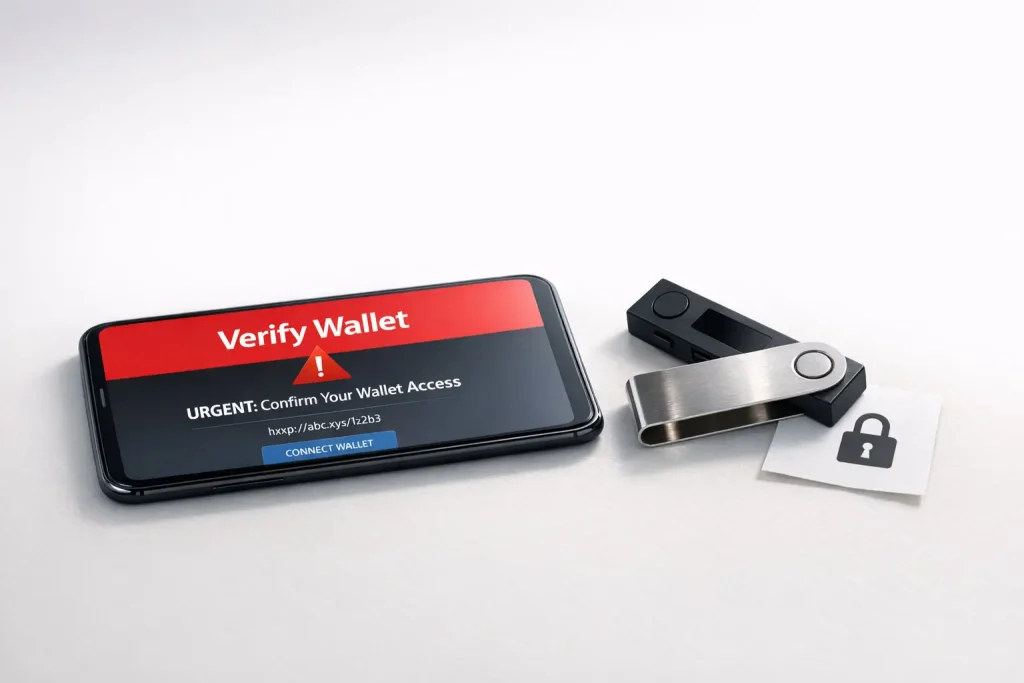
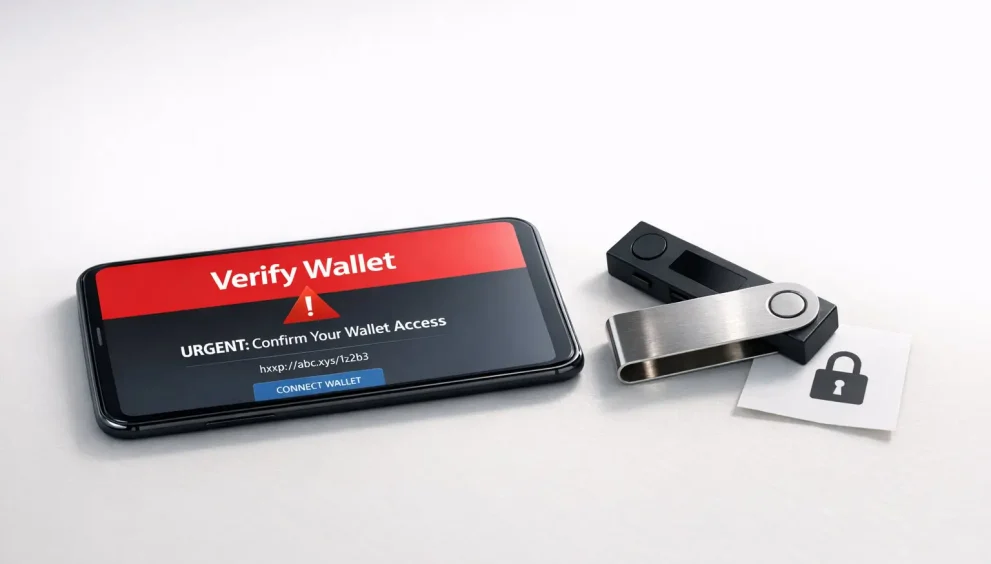
Many scams begin with phishing links disguised as legitimate services, often claiming to be urgent security alerts. These messages encourage you to click fake websites or download malicious files, aiming to steal your private keys or login information. Impersonation on social media and messaging platforms is also common, with fraudsters pretending to be trusted sources.
“Investment” and giveaway frauds use false promises of guaranteed returns or exclusive offers, sometimes featuring seemingly authoritative endorsements. Pig butchering tactics involve developing long-term trust with targets through repeated interactions before making fraudulent appeals. Malicious apps, browser extensions, and wallet software are sometimes designed to compromise your accounts, so always verify authenticity before installing.
In the case of rug pulls and token traps, developers may abandon a project after collecting user funds, leaving investors with worthless assets. Be wary of unclear team backgrounds or excessive hype. Scammers may misuse the phrase cryptocurrency scams as part of their scheme to appear credible.
Warning signs that signal imminent fraud risk
Pressure and urgency are trademarks of most major crypto scams. You may encounter messages urging immediate action to avoid losing access, combined with requests to keep the communication secret or bypass official support processes. Critical safety habits call for slowing down and considering whether the situation genuinely requires such haste.
Scams typically promise guaranteed returns or minimal risk, which is unrealistic in any investment context. Payment requests involving cryptocurrency, particularly when outside normal business channels, deserve extra scrutiny. It is important to treat these signs as serious red flags.
Effective habits and evaluation tactics for safe navigation
Verify URLs carefully before entering credentials and only download apps or extensions from official stores. Keep software updated and use password managers to avoid reusing login details. Two-factor authentication adds another layer of defense, but avoid relying solely on SMS-based authentication if you can.
When evaluating platforms or communications, cross-check support contact details using alternative sources, not just messages received directly. Fake customer service agents may request remote access or sensitive information, which legitimate outlets will not request. Carefully reviewing major announcements against official sources can help prevent falling for impostors, limiting the risks associated with cryptocurrency scams and their evolving tactics.
If you suspect you have been targeted or compromised, act quickly to limit potential losses. Disconnect devices from the network, revoke wallet permissions, and document evidence for reporting, including screenshots of suspicious interactions. Report incidents directly to service providers and monitor your accounts over time for signs of unauthorized access.
Adopting a checklist mindset by slowing down, verifying information, and questioning offers that seem too attractive remains a key security habit in the world of cryptocurrency scams.