

 English





















































































































































































































































































































































![swimsuit edition [abbb] - 1.20 21 swimsuit edition - chapter](https://mymagazine.blog/wp-content/uploads/2025/09/swimsuit-edition-abbb-1.20-21-swimsuit-edition-chapter1-1024x574.webp)





How a Car Crash Lawyer Uses Reconstruction Experts to Pin Fault

In Atlanta, heavy traffic, complex intersections, and crowded highways can leave even a routine drive ending in a collision where fault is anything but obvious. When drivers, insurers, and witnesses offer different versions of what happened, proving responsibility requires more than assumptions or initial reports. A car crash lawyer often turns to detailed evidence and technical analysis to build a clear picture of the events, helping ensure that liability is based on measurable facts rather than conflicting recollections.
Fault Starts With Evidence
Physical proof often decides whether a liability claim holds. In disputed cases, an Atlanta car accident lawyer may retain a reconstruction expert after conflicting statements, uncertain lane position, or puzzling debris distribution raise concern. That specialist reviews measurements, vehicle rest points, scrape marks, and braking evidence, then compares each detail with the drivers’ accounts to identify whose actions most likely set the collision in motion.
Reconstruction Builds A Timeline
Reconstruction experts build an ordered sequence from the seconds before impact through final rest. They examine speed changes, steering input, lane travel, braking distance, and sight conditions. Each data point helps test whether a driver’s version fits the physical record. If testimony shifts, a timed sequence anchored in measurable facts can expose error, exaggeration, or selective recall.
Scene Marks Matter
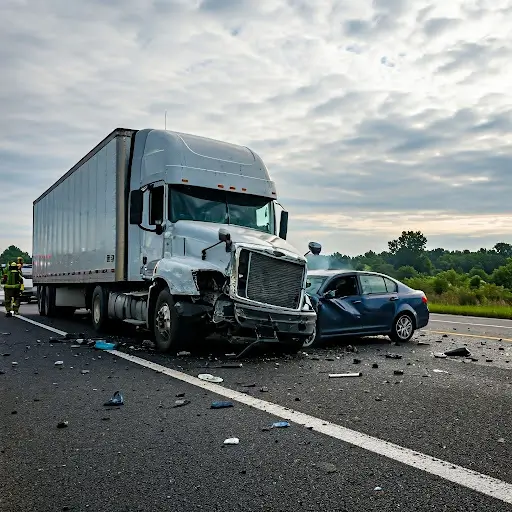
Roadway evidence often speaks before any witness does. Tire scuffs, gouges, shattered glass, and fluid patterns can show where contact began and how vehicles moved afterward. Lawyers use that analysis to place cars with much greater accuracy than recollection permits. Fast preservation matters because rain, traffic, towing, and repairs can erase details within hours.
Vehicle Damage Tells A Story
Damage patterns often reveal angle, force, and direction with surprising clarity. Crush depth, side intrusion, bumper transfer, and frame distortion can show whether a car turned, braked, or absorbed a secondary strike. Lawyers rely on that mapping when each driver blames the other for crossing a center line or entering a lane too late. Matching damage with roadway traces strengthens the fault analysis.
Digital Records Add Precision
Many newer vehicles capture pre-impact data related to speed, braking, steering, and restraint use. Some cases also involve phone logs, traffic camera footage, or nearby surveillance video. Reconstruction experts compare those records with the physical scene and witness accounts. That cross-check can narrow timing disputes and show whether a driver had a fair chance to avoid contact.
Road Design Can Affect Blame
Sometimes fault extends beyond the drivers. Limited sight distance, short merge lanes, poor signal timing, or missing warnings can affect perception and reaction. Experts may measure an intersection, shoulder, or curve radius to explain why a hazard appeared late. Lawyers use that work when shared-fault issues arise, and a fuller account of roadway design becomes necessary.
Witness Accounts Need Testing
Memory Can Drift
Witnesses often sound certain while still missing important details. Stress can alter recall of speed, color, distance, or sequence. Reconstruction does not replace testimony, but it tests each statement against measurable facts. If someone insists a vehicle never braked, skid marks or event data may support that claim, or undermine it. That process keeps liability analysis tied to objective proof.
Human Factors Shape Findings
Reaction time sits at the center of many disputed collisions. Experts may study glare, distraction, fatigue, blocked sight lines, or nighttime visibility to decide what a driver could reasonably perceive. That work helps lawyers address claims that impact was unavoidable. If a hazard remained visible long enough for braking or steering, fault becomes easier to assign.
Injury Proof Can Support Causation
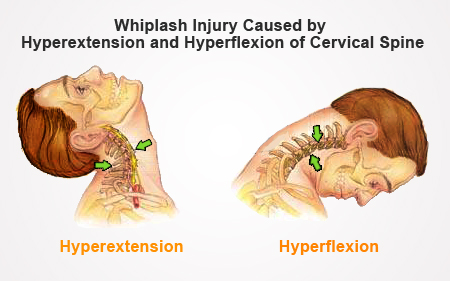
Medical records show diagnosis and treatment, but crash mechanics can explain how injury likely occurred. Force direction, occupant movement, and impact location may support claims involving head trauma, spinal strain, rib fractures, or side-impact shoulder damage. Lawyers often use reconstruction alongside clinical evidence to show that symptoms fit the collision pattern rather than another event.
Insurers Often Challenge The Sequence
Insurance carriers often dispute who changed lanes, who stopped abruptly, or who reacted too slowly. Reconstruction experts answer those points with diagrams, measurements, tested assumptions, and consistent timing analysis. Their work leaves less room for vague blame-shifting. A clear model of vehicle movement can also change settlement posture because weak defenses become easier to identify.
Clear Analysis Strengthens The Case
A lawyer’s role extends well beyond collecting reports and filing paperwork. Strong cases require a fault theory that can withstand scrutiny from adjusters, defense counsel, and jurors. Reconstruction experts provide technical support without guesswork. Where liability remains contested, their analysis connects physical evidence to legal responsibility in a way that is direct, credible, and persuasive.
Conclusion
Pinning fault after a car crash often requires more than witness recollection or a short officer narrative. Reconstruction experts help lawyers preserve evidence, test competing stories, and explain vehicle motion in practical terms. Their work matters most when facts clash or liability remains uncertain. By translating damage, timing, data, and roadway clues into a coherent sequence, they help decision makers assign responsibility on firmer ground.