

 English





































































































































































































































































































































































































![swimsuit edition [abbb] - 1.20 21 swimsuit edition - chapter](https://mymagazine.blog/wp-content/uploads/2025/09/swimsuit-edition-abbb-1.20-21-swimsuit-edition-chapter1-1024x574.webp)





When to Visit an Emergency Dentist

A sudden toothache or a chipped tooth can ruin your day. Dental emergencies like these need fast care to avoid more pain or damage. This guide will show you when it is time to visit an emergency dentist and what signs to watch for.
Keep reading if you want quick answers about dental emergencies.
Signs You Need to Visit an Emergency Dentist
Some dental problems need quick help from an emergency dentist. Spotting serious signs early can protect your teeth and health.
Severe Toothache
Severe toothache often signals a dental emergency. Pain that keeps you up at night or makes it hard to eat could mean infection, an abscess, or deep decay. Swelling in your gums or face may also point to a serious problem, like an abscess.
Quick care stops the pain from getting worse and helps avoid spreading infection.
Many people with untreated toothaches end up needing urgent care fast. The American Dental Association says infections can spread quickly without treatment. If over-the-counter pain relief does not help and the pain lasts more than two days, call an emergency dentist right away.
“Tooth pain is not something to ignore,” says Dr. Emily Johnson of the ADA. “If you feel severe discomfort, seek immediate dental care to protect your oral health.”
Knocked-Out Tooth
A knocked-out tooth is a dental emergency. You need to act fast. Find the tooth right away. Hold it by the crown, not the root. Rinse it gently in water if it’s dirty, but don’t scrub it.
Place the tooth back into its socket if possible. If that doesn’t work, store it in milk or saline solution.
Make sure you see an emergency dentist within 30 minutes if you can. Time matters when saving a knocked-out tooth. They can help with reattachment and pain relief options too.
Broken, Cracked, or Chipped Tooth
A broken, cracked, or chipped tooth can happen to anyone. It may hurt a lot. This type of dental emergency is common after an accident or while eating hard food. You might see sharp edges where the tooth broke.
If this happens to you, it is important to visit an emergency dentist right away.
Don’t ignore pain in your mouth caused by a damaged tooth. Swelling and bleeding gums can also occur with these injuries. Treating the problem quickly helps save the tooth and reduces further issues like infection.
Knowing how to care for yourself until you see a dentist matters too; actions taken now can make a difference in your oral health later on. Next, let’s look at the difference between urgent and non-urgent dental emergencies.
If you’re considering orthodontic options, clear aligner treatment can help address alignment issues before they escalate into emergencies.
Lost Dental Restoration
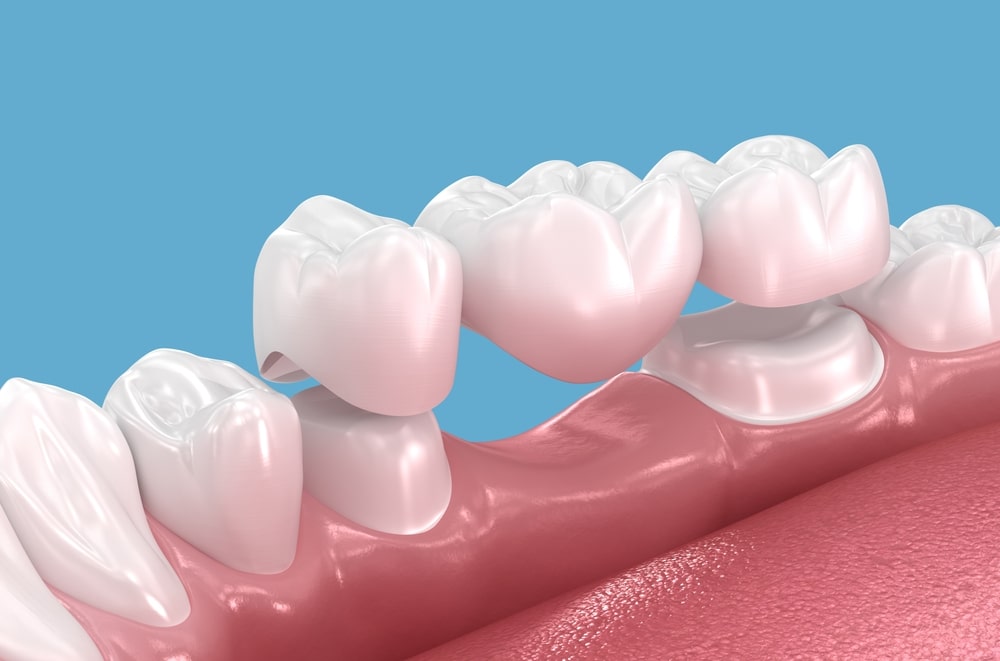
Lost dental restoration can cause pain and problems. This includes losing fillings, crowns, or bridges. These restorations protect your teeth from decay and damage. Without them, the tooth may be vulnerable to infection.
If you lose a dental restoration, visit an emergency dentist right away. They can fix the issue quickly and help ease any discomfort. Taking action fast is key in preventing further oral health issues.
Swelling or Abscess
Swelling or an abscess can be signs of a serious dental problem. A swollen face or gums may indicate an infection. It is essential to seek help from an emergency dentist if you notice these symptoms.
An abscess is a painful pocket of pus that forms due to bacteria. You might feel intense pain, swelling, and fever.
These issues can impact your oral health quickly. Ignoring them could lead to more problems like tooth loss or spreading infection. Always take facial swelling seriously and get immediate care when needed.
Pain relief at home may not be enough for these situations; professional treatment is necessary.
Trauma or Injury to the Mouth
Swelling or abscess may come from an injury to your mouth. Trauma can happen in many ways. You might fall, get hit, or bite something hard. Injuries can cause pain and bleeding. A knocked-out tooth is a common issue after trauma.
This needs immediate help from an emergency dentist.
Broken teeth are another result of mouth injuries. If a tooth cracks or chips, it can hurt a lot and lead to infection. Oral injuries also include cuts on the gums or inside the cheek.
These injuries need care right away to prevent more problems later on with dental health and infections.
Urgent vs. Non-Urgent Dental Emergencies
Some dental issues need fast attention, while others can wait for a regular appointment. The table below outlines urgent and non-urgent dental emergencies.
| Urgent Dental Emergencies | Non-Urgent Dental Problems |
|---|---|
|
|
What to Do During a Dental Emergency
In a dental emergency, keep any knocked-out teeth or pieces safe. Rinse them gently with water and place them in milk or your saliva if you can. Use pain relievers for discomfort and apply ice packs for swelling.
Stay calm and seek help right away. Read more to learn about the next steps!
Preserve any knocked-out teeth or fragments
Act fast to save a knocked-out tooth. Proper care can help keep it healthy.
- Handle the tooth by the crown, not the root. Touching the root could damage cells that help it reattach.
- Rinse the tooth gently with water if it’s dirty. Do not scrub or use soap.
- If possible, place the tooth back into its socket. Bite down on a clean cloth or gauze to keep it in place.
- If you can’t put it back in, store it in milk. Milk helps keep the tooth alive until you see an emergency dentist.
- Avoid using plain water for storage. Water can harm the cells of the tooth.
- Keep any broken fragments you find. The dentist may be able to use them for repair.
- Get to an emergency dentist as soon as possible. Time is key for saving a knocked-out tooth.
Manage pain and swelling at home
Pain and swelling can be tough to deal with at home. Here are some steps to help manage these symptoms.
- Take over-the-counter pain relievers like ibuprofen or acetaminophen for relief. Follow the instructions on the label for correct dosages.
- Apply a cold compress to your face. Place it on the swollen area for about 15-20 minutes, then take a break. This can help reduce swelling.
- Rinse your mouth with warm salt water several times a day. Mix about half a teaspoon of salt in a glass of warm water to ease discomfort.
- Keep your head elevated while resting or sleeping. Use an extra pillow to lessen swelling in your mouth.
- Avoid hard, crunchy, or chewy foods until you see a dentist. Stick to soft foods like yogurt, mashed potatoes, or smoothies for now.
- Stay hydrated by drinking plenty of water throughout the day. Avoid sugary drinks which might worsen dental issues.
If you experience a severe toothache or other alarming symptoms, it’s crucial to contact an emergency dentist in Astoria as soon as possible.
- If there is bleeding from the gums, apply gentle pressure with a clean cloth or gauze pad to stop it.
- Observe any changes in pain levels and symptoms closely until you can visit an emergency dentist if needed.
When to Visit the ER Instead of an Emergency Dentist
Some dental issues need an emergency room visit instead of an emergency dentist. Go to the ER for severe facial swelling or difficulty breathing. These signs may mean a serious infection or allergic reaction.
Also, visit the ER if you have heavy bleeding that won’t stop. This can happen with a bad injury to the mouth. Take any knocked-out teeth with you, but focus on your health first.
Emergency dentists handle tooth pain and injuries but cannot treat some life-threatening issues like these effectively.
Conclusion
Urgent dental issues can happen to anyone. Knowing when to visit an emergency dentist is key. Don’t ignore severe pain or injuries in your mouth. Quick action can save your teeth and ease your suffering.
Take care of your oral health, and don’t delay seeking help when you need it.
For More Visits: Mymagazine