

 English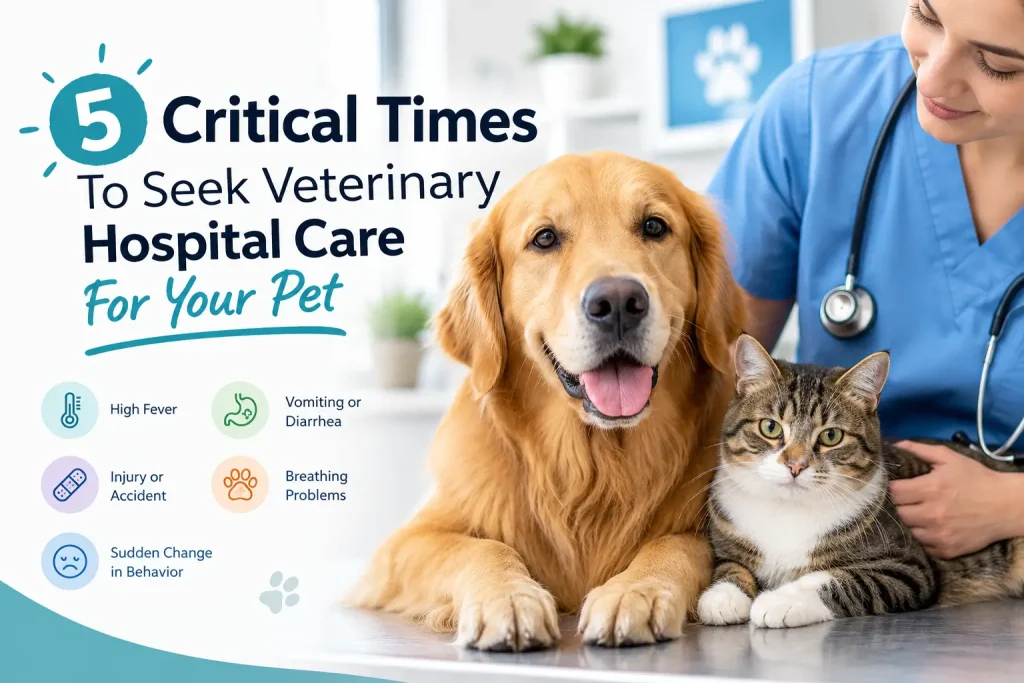






















































































































































































































































































































































































































![swimsuit edition [abbb] - 1.20 21 swimsuit edition - chapter](https://mymagazine.blog/wp-content/uploads/2025/09/swimsuit-edition-abbb-1.20-21-swimsuit-edition-chapter1-1024x574.webp)





5 Critical Times To Seek Veterinary Hospital Care For Your Pet

You know your pet’s normal. You know the look they give when they want dinner, the way they settle down at night, the sound of their breathing when they are asleep. That is why a sudden change can hit hard. One minute they seem fine, then they are hiding, straining, vomiting, or breathing in a way that makes your stomach drop. In those moments, waiting can feel safer than overreacting, but some signs mean your pet needs help right away, and a Durham veterinarian can help you decide what to do next.
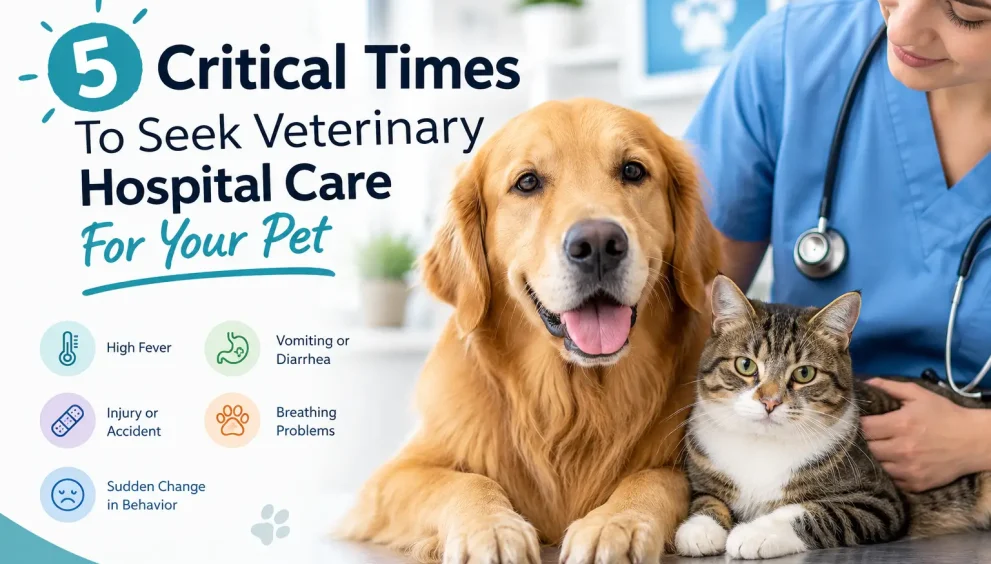
5 critical times to seek veterinary hospital care for your pet comes down to this. Trouble breathing, repeated vomiting or diarrhea, collapse or seizure, urinary blockage, and major trauma or uncontrolled bleeding should not wait for a routine appointment. A pet emergency hospital visit may feel stressful and expensive, but delay can cost far more, including your pet’s comfort and chances of recovery.
Breathing trouble needs emergency veterinary care fast
If your pet is working to breathe, this is urgent. You may notice open mouth breathing in a cat, loud wheezing, extended neck posture, blue or pale gums, or a chest and belly that seem to heave with each breath. Dogs in respiratory distress can decline fast, especially if heat, heart disease, airway blockage, or lung problems are involved.
You might be telling yourself that they just need to calm down. That is a hard trap because stress can make breathing look worse, but true distress does not resolve with wishful thinking. Cornell’s guidance on recognizing and responding to canine respiratory distress explains how quickly this can become life threatening. Keep your pet quiet, avoid forcing food or water, and get to a veterinary hospital.
Repeated vomiting or diarrhea can become dangerous quickly
One isolated episode may not always mean an emergency, but repeated vomiting, bloody diarrhea, a swollen belly, or signs of weakness change the picture. Puppies, kittens, senior pets, and animals with chronic illness can dehydrate fast. A pet that cannot keep water down is already losing ground.
This is where people often wait overnight, hoping it passes. Sometimes it does. Sometimes it is a toxin, a bowel obstruction, pancreatitis, or severe infection. If your pet is retching without producing anything, that can be even more concerning, especially in deep chested dogs at risk for bloat. Emergency assessment gives the team a chance to control pain, give fluids, run imaging, and catch a crisis before it worsens.
Collapse, seizure, or sudden weakness calls for a veterinary hospital
Watching your pet collapse is frightening in a way that is hard to put into words. Even if they get back up after a few seconds, do not assume the danger has passed. Collapse can point to heart disease, internal bleeding, heatstroke, severe pain, poisoning, or neurologic disease. A seizure also needs prompt attention, especially if it lasts more than a couple of minutes, repeats in a short period, or happens in a pet with no seizure history.
Emergency pet care is not only about saving a life in the moment. It is also about finding the cause before there is another episode at home, in the middle of the night, when your options feel smaller and your pet is weaker.
Urinary blockage is a true emergency, especially in cats
If your pet is going in and out of the litter box, straining to urinate, crying, licking at the area, or producing only tiny drops, do not wait. Male cats are especially at risk for urinary obstruction, and a blockage can become fatal if not treated quickly. Some owners mistake it for constipation because the straining looks similar. That misunderstanding can cost precious time.
The University of Florida explains the seriousness of urinary obstruction and why immediate treatment matters. A blocked pet cannot simply “try again later.” Toxins build up, the bladder becomes overstretched, and the heart can be affected as the body chemistry shifts.
Trauma, severe pain, or uncontrolled bleeding should never wait
Being hit by a car, falling from a height, bite wounds, deep cuts, or any injury with heavy bleeding needs urgent care. The same goes for intense pain, a hard swollen abdomen, or a pet that cries out when touched and cannot settle. Some injuries look minor at first. Internal bleeding, lung bruising, and shock are easy to miss at home because the outside does not always show the full story.
Veterinary hospitals are equipped for imaging, oxygen support, pain control, bloodwork, and monitoring that a standard appointment may not provide on short notice. Cornell’s overview of emergency and critical care services shows the kind of support available when a pet is unstable or rapidly declining.
Watching at home versus going to a veterinary hospital
There is always a judgment call, and that is what makes these moments so draining. You do not want to panic over nothing. You also do not want to lose time during a real emergency.
| Situation | Watch Closely at Home | Seek Veterinary Hospital Care |
| Vomiting | One mild episode, acting normal, drinking, no pain | Repeated vomiting, blood, swollen abdomen, weakness, cannot keep water down |
| Breathing | Brief cough but normal breathing afterward | Labored breathing, blue gums, open mouth breathing, distress at rest |
| Urination | Normal urine output with mild change in habits | Straining, crying, frequent attempts, little or no urine produced |
| Mobility | Minor limp but eating and comfortable | Collapse, cannot stand, sudden severe weakness, signs of severe pain |
| Injury | Small superficial scrape, normal behavior | Hit by car, deep wound, uncontrolled bleeding, possible internal injury |
Three steps to take when your pet may need emergency pet treatment
- Look for the red flag, not the perfect diagnosis. You do not need to know whether it is bloat, heart failure, poisoning, or a blockage. Focus on what you can see. Breathing trouble, repeated vomiting, collapse, inability to urinate, and major trauma are enough to act on.
- Keep your pet calm and limit movement. Stress can worsen breathing problems and pain. Use a carrier, towel, or flat surface if needed. Do not offer food unless a veterinary team tells you to. Bring any toxin packaging, medication bottles, or a video of the episode if you have one.
- Call ahead to the veterinary hospital. A quick call helps the team prepare oxygen, fluids, or emergency equipment before you arrive. It also gives you immediate guidance for transport, especially if your pet is seizing, bleeding, or struggling to breathe.
Fast action gives your pet the best chance
You are not overreacting by taking sudden, serious symptoms seriously. Most pet owners hesitate because they care, and because they know emergency visits are a lot to take on emotionally and financially. Still, when the signs point to a crisis, quick care is often the kindest choice. If your pet shows any of these warning signs, seek veterinary hospital care right away.