

 English



























































































































































































































































![swimsuit edition [abbb] - 1.20 21 swimsuit edition - chapter](https://mymagazine.blog/wp-content/uploads/2025/09/swimsuit-edition-abbb-1.20-21-swimsuit-edition-chapter1-1024x574.webp)





Why Hobbies Often Become the Missing Piece in Recovery

Recovery is often described in serious terms. Treatment plans. Counseling sessions. Medication schedules. Support groups. Crisis management. Those things matter, and they matter a lot. But they are not the whole story.
What gets missed, again and again, is the quiet part of healing. The part that happens when a person starts waking up with a reason to get out of bed. The part that grows when someone feels curious again, or calm for an hour, or proud of something small but real. That is where hobbies come in.
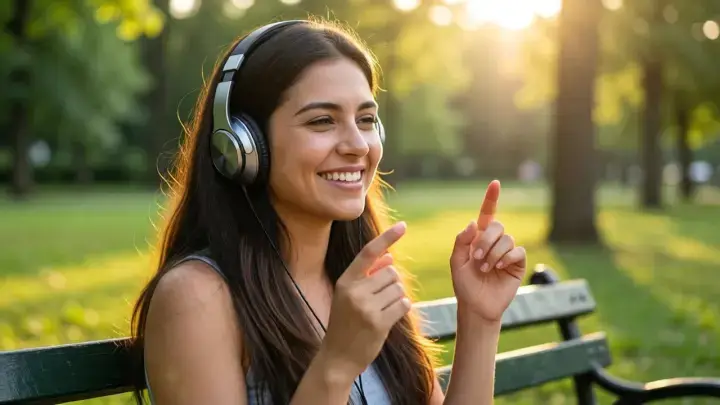
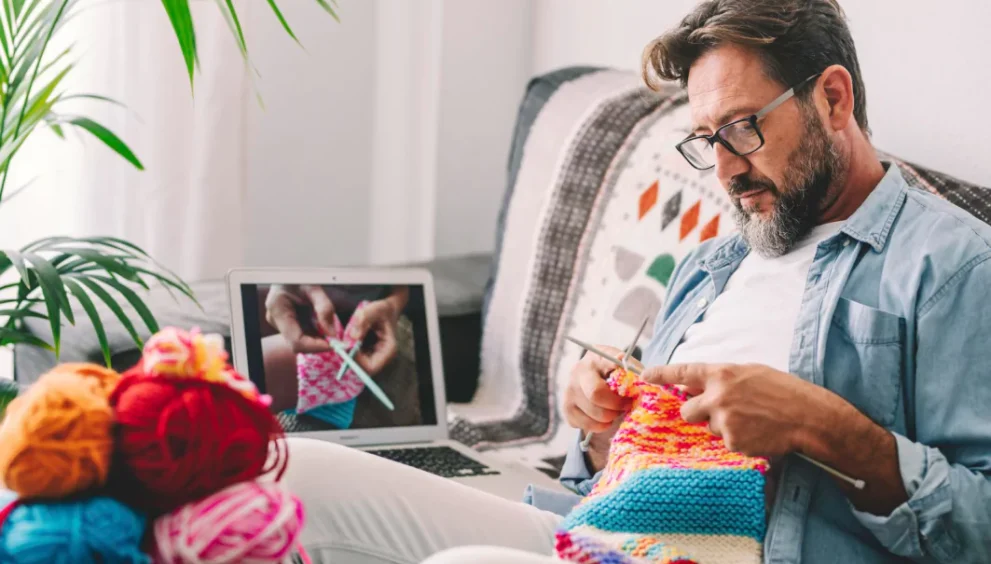
A hobby can look simple from the outside. A notebook with half-written journal entries. A windowsill full of herbs. A knitting project in a tote bag. A playlist made late at night. A walk taken at the same time every morning. But for someone in recovery, these are not random activities. They can become structure, comfort, identity, and even proof that life is still worth participating in.
That matters more than people realize.
Recovery Is Not Only About Stopping Something
A lot of people think recovery is mostly about removing a harmful behavior. Stop drinking. Stop using. Stop isolating. Stop spiraling. Stop shutting down. And yes, part of recovery is about stopping patterns that cause pain. But healing does not last on empty space alone.
You cannot build a stable life on “don’t do this” forever.
Eventually, recovery asks a harder question: what will take the place of the pain, the chaos, the craving, or the numbness? What fills the hours? What helps a person feel steady when the old coping method is gone? What gives shape to the day?
That is where hobbies become more than a side note. They help people replace destruction with rhythm. They give the mind somewhere to go besides old habits. They create small pockets of progress that do not depend on being perfect.
And honestly, that is huge.
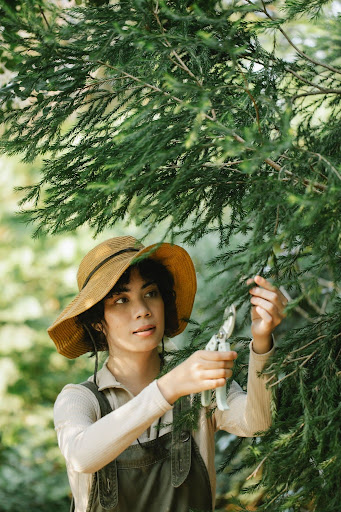
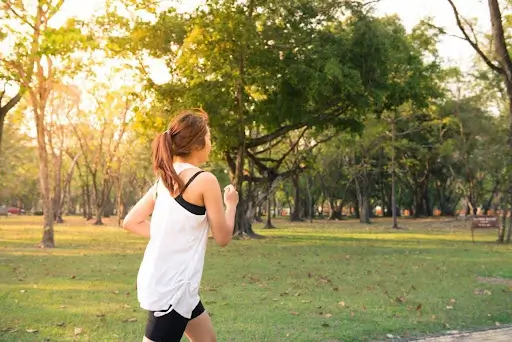
A person who starts painting every afternoon may not call it therapy. A teen who gets into running may not say it is helping them regulate stress. A senior who returns to gardening may just say it helps pass the time. But the effect can still be strong. Sometimes the body settles before the person even has words for what is changing.
The Brain Needs New Roads
Habits shape the brain. So does recovery.
When someone has lived with addiction, grief, anxiety, depression, or prolonged stress, their mind often gets used to certain loops. Escape. Numb out. Withdraw. Panic. Repeat. A healthy hobby interrupts that cycle. Not with magic, and not overnight, but with repetition.
Journaling gives thoughts somewhere to land. Music helps shift mood. Fitness burns off tension that would otherwise sit in the body like static. Crafts teach patience in a world that pushes instant relief. Gardening is slow by nature, which is part of its power. You water, wait, adjust, try again.
That rhythm teaches something important. You can care for something gently and still make progress.
A Hobby Gives Back a Sense of Self
One of the hardest parts of recovery is identity. People do not just lose harmful habits. They often lose a version of themselves, too. Maybe it was a role they played for years. Maybe it was the version of them that looked fine on the outside. Maybe it was the person they became while surviving.
So when healing begins, there is often a strange gap. Who am I now?
That question can feel especially heavy for women who have spent years caring for other people first. It can hit teens who are still figuring out who they are in the first place. And it can weigh on seniors who are facing retirement, grief, memory changes, or isolation. Recovery is emotional, yes, but it is also personal in a very basic way. People need to feel like a person again, not just a patient or a problem to manage.
A hobby helps answer that identity question without forcing it.
You are not only someone in treatment. You are someone who writes poems. Someone who bakes bread badly at first and then gets weirdly good at it. Someone who learns old songs on the piano. Someone who keeps succulents alive. Someone who takes photos of morning light. That sounds small, but it is not small. It is the beginning of a fuller self.
And that fuller self is often what keeps recovery going when motivation drops.
Not Every Hobby Has To Be “Productive”
This is where people get stuck sometimes. They think a hobby has to lead somewhere. Sell the art. Turn fitness into a plan. Make a business out of baking. Track progress. Improve faster. Be impressive.
But recovery does not need another pressure system.
A hobby can be useful without being profitable or polished. It can exist just because it soothes you. It can be messy. You can be average at it. You can enjoy it and still be bad at it. In fact, learning how to do something imperfectly is part of healing for many people. It pushes back against shame. It helps people tolerate frustration without giving up.
That is not wasted time. That is emotional practice.
Routine Sounds Boring Until You Need It
There is a reason so many recovery programs talk about routine. Structure helps people stay grounded. It lowers decision fatigue. It cuts down on idle time that can open the door to relapse, rumination, or hopelessness. But routine by itself can feel dry if it is only built around obligations.
Wake up. Appointment. Medication. Check-in. Sleep.
A hobby adds warmth to that framework. It gives the day a point of interest. Something to look forward to. Something that belongs to you.
For someone early in recovery, that can be the difference between merely getting through the day and actually participating in it.
A morning walk becomes a ritual. Evening journaling becomes a way to release pressure before bed. A weekly art class creates accountability without the heaviness of formal treatment. A community garden or local choir adds social connection, which many people in recovery desperately need but may not know how to ask for.
And yes, sometimes stronger support is needed too. For people who need structured care while rebuilding healthy routines, programs connected to New Jersey addiction Treatment can be part of that larger healing process. Clinical support helps stabilize the foundation, while everyday practices like hobbies help people live inside that foundation.
Both matter. One does not replace the other.
Hobbies Help With Grief, Stress, and Isolation Too
Recovery is not only about substance use. It also includes emotional recovery after burnout, caregiving fatigue, loss, illness, trauma, and loneliness. That is why hobbies matter across age groups.
For women, hobbies can create a rare zone of self-directed time. Not caregiving time. Not work time. Not “keeping it together” time. Personal time. That alone can be restorative.
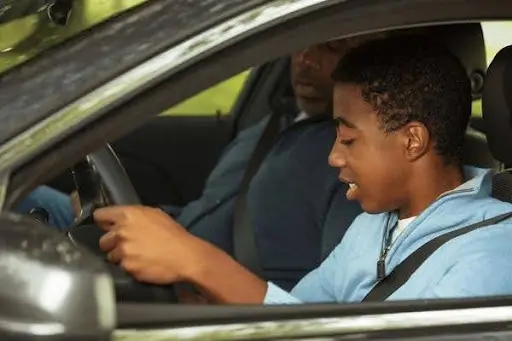
For teens, hobbies can interrupt the pressure cooker of school, comparison, and social media. A teen who journals, skates, cooks, lifts weights, or learns guitar has a place to put emotional energy that might otherwise turn inward.
For seniors, hobbies often protect against one of the quietest risks of all: shrinking life. As people age, their world can get smaller without warning. Fewer errands. Fewer calls. Fewer visitors. Less movement. Less novelty. A hobby keeps the inner life active. It preserves interest, memory, and connection.
Here’s the thing. People do not heal well in emotional vacancy. They heal when life starts feeling inhabited again.
The Soft Stuff Is Not Weak Stuff
There is sometimes a strange bias against gentle forms of healing. People respect the dramatic interventions, the measurable milestones, the official steps. But they dismiss the softer tools. A sketchbook. A knitting circle. A little vegetable patch. A dance class. A playlist and a long walk.
Yet those “soft” tools often help people stay with themselves long enough to recover.
That is not fluffy. It is practical. The nervous system responds to repetition, safety, and meaning. Hobbies often provide all three.
Healing Gets Stronger When Life Feels Worth Returning To
People stay in recovery for many reasons. Love. Fear. Family. Faith. Exhaustion. A second chance. But long-term healing usually needs more than survival. It needs attachment to life.
That attachment often grows in ordinary places.
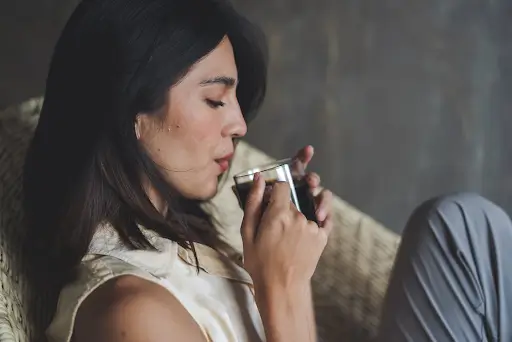
You make tea and sit down to write. You start crocheting while the house is quiet. You take photos during golden hour. You join a beginner yoga class and feel awkward, then less awkward, then glad you came. You plant basil and check on it every morning like it is a tiny contract with the future.
That is the real power of hobbies in recovery. They remind people that healing is not just about what they are leaving behind. It is also about what they are building.
And sometimes, when a person needs more formal help while trying to rebuild that life, treatment support can play a major role. Access to care such as Rehab in California may provide the space and guidance needed to begin again, especially when daily functioning has become difficult or unsafe.
Still, the long road of recovery happens between appointments, too. It happens in kitchens, backyards, notebooks, parks, garages, and community centers. It happens when someone learns how to be present for their own life in small, repeatable ways.
The Little Things Are Often Carrying More Than We Think
Not every breakthrough looks dramatic. Sometimes recovery looks like a woman pressing flowers into a book after a season of grief. A teenager editing videos instead of shutting everyone out. A senior returning to the piano after years of silence. A person in early sobriety learning how to fill a Sunday afternoon without panic.
These moments do not always get celebrated. They should.
Because hobbies are not just distractions. At their best, they are gentle proof that a person still has preferences, curiosity, patience, and a future self worth caring for. They help turn empty time into lived time. They give people something steady to return to when emotions feel noisy or the road feels long.
And that is why hobbies matter more than people realize in recovery.
Not because they fix everything.
Because they help people remember they are still here, and still becoming someone.