
 English
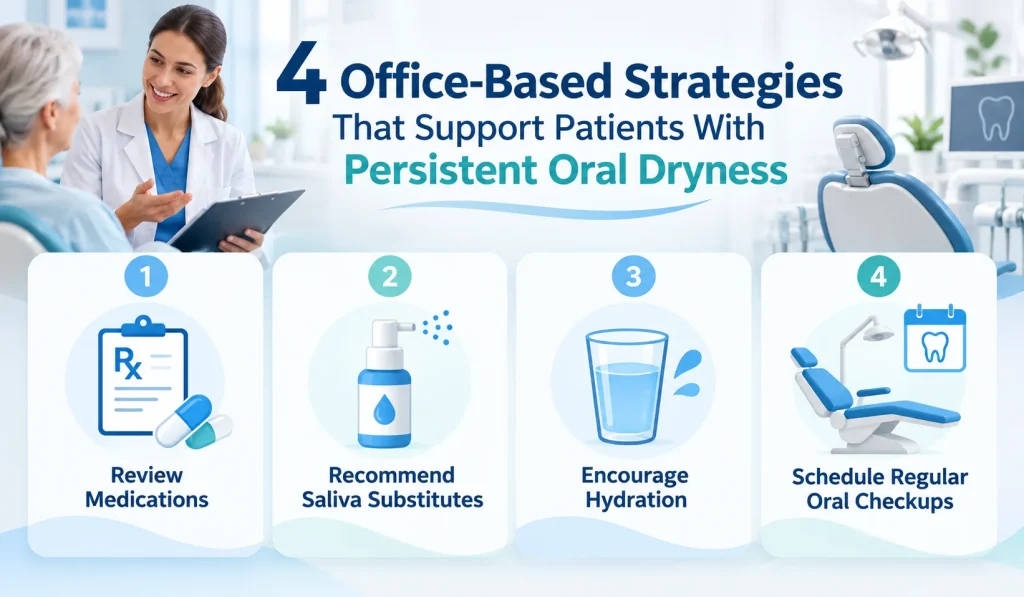





























































































































































































































































































































































































































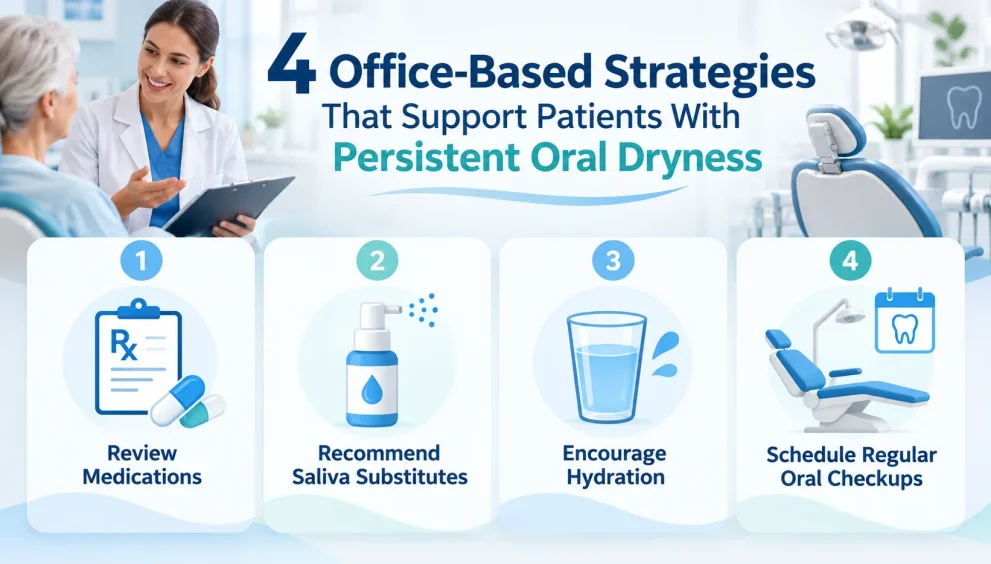
4 Office Based Strategies That Support Patients With Persistent Oral Dryness

Your mouth feels sticky, your tongue seems to catch on your teeth, and even simple things like talking through a meeting or sleeping through the night can turn into a chore. Persistent oral dryness has a way of wearing you down quietly. It can make food less enjoyable, leave your breath feeling off, and raise the worry that something more is going on. If you are already exploring dental care options, including Great Neck Invisalign treatment, these symptoms may be worth discussing with your provider.
Dry mouth is not just annoying. When saliva drops, your mouth loses part of its natural defense system. That can mean more cavities, sore tissues, trouble wearing dentures, burning sensations, and a higher risk of infection. A general dentist can often spot the pattern early, help protect your teeth, and guide you toward treatments that match the cause. If you have been trying water, gum, and lozenges without enough relief, office based care may be the next step.
Persistent dry mouth affects comfort, health, and daily routine
People often wait longer than they should because dry mouth seems minor compared to tooth pain or a broken filling. The problem is that ongoing dryness tends to build on itself. You sip water all day, then wake up at night needing more. You avoid crackers, bread, or spicy foods because they feel impossible to chew or swallow. You may even start speaking less because your mouth dries out halfway through a conversation.
There are many possible causes. Medicines are one of the most common. Antidepressants, antihistamines, blood pressure drugs, and many others can reduce saliva flow. Medical conditions also matter, and cancer treatment can play a major role for some patients. The MedlinePlus overview of dry mouth explains common causes and symptoms in plain language. For people receiving radiation or other cancer care, the National Cancer Institute guide to oral complications outlines why dryness can become severe and long lasting.
Once saliva decreases, the mouth becomes more fragile. Acids stay on teeth longer. Food debris clears more slowly. Gums and cheeks can feel tender and inflamed. The HRSA resource on dry mouth and oral health notes that saliva helps protect teeth and soft tissues, which is why chronic dryness deserves treatment instead of guesswork.
Office based dry mouth treatment focuses on protection and symptom control
Office based dry mouth treatment is not one single procedure. It is usually a mix of strategies chosen after your dentist looks at the pattern of wear, checks for decay, reviews your medicines, and asks when the dryness is worst. That matters because the best approach for someone taking multiple medications is different from the best approach for someone dealing with radiation related dryness.
The first strategy is a focused oral exam with risk mapping. A dentist checks the places where dry mouth damage often shows up first, near the gumline, around old fillings, on the chewing surfaces, and along the tongue and cheeks. If your mouth feels dry but your teeth still look stable, the plan may center on prevention. If root cavities or tissue irritation have already started, treatment becomes more active.
The second strategy is prescription strength fluoride delivered in the office or prescribed for home use. This is one of the most practical ways to protect teeth when saliva is low. Fluoride varnish, gels, or high fluoride toothpaste can lower the chance that small weak spots become full cavities. For someone who has had several new cavities in a short time, this step often matters more than another bottle of mouth rinse.
The third strategy is managing irritation and infection. A dry mouth can lead to sore corners of the lips, a burning tongue, or yeast overgrowth. If your mouth has started to sting when you eat or your tongue looks coated, your dentist may recommend targeted treatment instead of another generic saliva substitute. This is where a general dentist for oral dryness support can make the visit feel less frustrating, because the goal is not to hand you one product and send you home. The goal is to treat what dryness has already changed.
The fourth strategy is customized appliance or product guidance. Some patients benefit from trays that hold fluoride against the teeth. Others need changes to denture fit or material because dryness makes rubbing worse. If mouth breathing at night is part of the problem, your dentist may also flag airway or sleep related issues that need follow up elsewhere.
Home remedies and in office support work best when paired correctly
| Approach | What It Helps | Limits | Best Fit |
| Sipping water and using sugar free gum | Short term comfort, mild dryness, helps stimulate saliva in some people | Relief fades fast, does not repair enamel or treat infection | Early or occasional symptoms |
| Over the counter saliva substitutes | Lubricates tissues, may help with speaking and sleep | Often brief relief, product tolerance varies | Moderate dryness with soft tissue discomfort |
| In office fluoride varnish and prescription fluoride | Protects enamel and roots, lowers cavity risk | Does not increase saliva by itself | Patients with ongoing dryness and cavity risk |
| Targeted treatment for irritation, sores, or yeast | Reduces pain and treats complications caused by dryness | Needs diagnosis, not all soreness has the same cause | Burning, redness, cracking, coated tongue |
Dry mouth dental care is usually most effective when home care handles comfort and office care handles prevention and complications. If you rely on mints, frequent sipping, or mouthwash with alcohol, you may feel stuck in a cycle where nothing lasts. That does not mean the problem is untreatable. It usually means the plan has been too general.
Three steps you can take right away
Track the pattern. Write down when your mouth feels driest, what medicines you take, whether you breathe through your mouth at night, and whether certain foods sting. Those details help a dentist connect symptoms to likely causes.
Protect your teeth starting today. Use a fluoride toothpaste, avoid alcohol based rinses, and limit sugary lozenges or candies that sit in the mouth for long periods. If dryness is severe, ask about prescription fluoride instead of waiting for new decay to show up.
Book a dental exam if symptoms keep returning. A routine visit can turn into a prevention visit when dry mouth is part of the picture. A dentist for dry mouth can check for early root decay, tissue changes, denture issues, and signs that you need medical follow up as well.
Relief starts with a plan that matches the cause
Persistent oral dryness can make you feel like you are constantly managing one more thing, one sip of water at a time. You do not have to settle for temporary fixes if your mouth still feels dry, sore, or vulnerable. The right office based support can protect your teeth, ease discomfort, and reduce the damage that low saliva causes over time.
If dry mouth has become part of your daily routine, schedule a visit with a general dentist and ask for a treatment plan built around the cause, the symptoms, and the level of risk showing up in your mouth.