

 English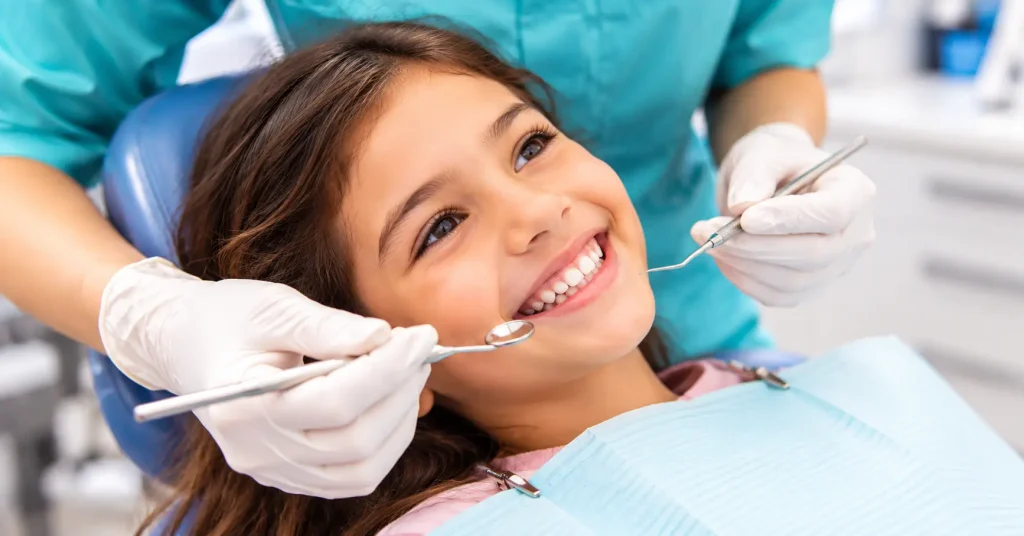








































































































































































































































































































































































































![swimsuit edition [abbb] - 1.20 21 swimsuit edition - chapter](https://mymagazine.blog/wp-content/uploads/2025/09/swimsuit-edition-abbb-1.20-21-swimsuit-edition-chapter1-1024x574.webp)





4 Findings On A Pediatric Dental X Ray That May Change An Eruption Plan


You bring your child in expecting a routine visit, then the X ray shows something you did not see coming. That moment can feel unsettling fast. You were thinking about loose teeth, timing, maybe a little crowding, and suddenly the conversation shifts to eruption patterns, space, and whether a tooth is heading where it should. That is often where a pediatric dentist helps most, because a radiograph can reveal problems long before they become painful or obvious, and in some cases may lead to discussions about kids braces in Reseda, CA.
4 findings on a pediatric dental x ray that may change an eruption plan usually come down to hidden position, blocked pathways, missing or extra teeth, and signs that space is being lost too early. Those details matter because eruption is not just about waiting for nature to take its course. When the path is off, waiting too long can make treatment harder, longer, and more expensive.
Pediatric dental X rays often show eruption problems before you can see them
A child can look completely fine during a quick mirror exam and still have an eruption issue developing under the gums. That is why radiographs are used based on clinical need, not guesswork. The American Academy of Pediatric Dentistry provides guidance on dental radiographs for infants, children, and adolescents, with the goal of finding disease and developmental concerns at the right time while limiting unnecessary exposure.
One common finding is an ectopic eruption, which means a tooth is coming in at the wrong angle or into the wrong place. You may notice one baby tooth staying put while the adult tooth starts appearing behind it, or nothing may be visible at all. On the X ray, the permanent tooth may be pressing into a neighboring root or drifting out of position. That can change the plan from “watch and wait” to removing a baby tooth, using space guidance, or referring for orthodontic evaluation.
Another finding is impaction or delayed eruption. A permanent tooth may be present but stuck, often because it lacks space or another tooth is blocking it. This is where parents often feel confused. If the tooth exists, why is it not coming in? The X ray answers that question. A pediatric dentist may recommend monitoring in stages, creating room, or timing an intervention so the tooth has the best chance to erupt normally.
Extra teeth, missing teeth, and early space loss can change the timing
Supernumerary teeth, or extra teeth, are a classic reason an eruption plan changes. These teeth may sit quietly in the bone and stop a permanent tooth from coming in. In other cases, they push nearby teeth off course. A child may seem late getting a front tooth, and the real issue turns out to be an extra tooth blocking the path. That is not something you can diagnose by looking at the gums.
Missing permanent teeth can also reshape the plan. If a tooth never formed, the conversation shifts from eruption timing to long term space management. Do you hold the baby tooth as long as possible? Do you preserve space for future treatment? The answer depends on which tooth is missing, your child’s age, bite pattern, and how stable the baby tooth is.
Early loss of a baby tooth is another finding with real consequences, especially if neighboring teeth start drifting. Once space closes, the permanent tooth may erupt crooked, remain trapped, or come in far later than expected. A child dental X ray eruption assessment helps catch that movement before it becomes a bigger problem. In some cases, a space maintainer protects room for the adult tooth. In others, the dentist may simply monitor very closely because the timing is favorable.
A pediatric dentist weighs the benefits of action against the cost of waiting
Not every X ray finding leads to treatment that day. Some need observation because the tooth is still developing and may correct its course. Others need action because delay raises the risk of root damage, severe crowding, or surgical complexity later. That balance is why parents often hear two things at once. The issue matters, and there is still time to make a thoughtful plan.
The AAPD also outlines current best practices for dental radiographs, which support using the right image for the right reason. The goal is not more imaging. The goal is useful imaging that answers a clinical question and guides care.
| X ray finding | What it may mean | How the eruption plan may change |
| Ectopic eruption | Tooth is erupting in the wrong direction or position | Monitor closely, remove a baby tooth, or refer for orthodontic guidance |
| Impacted or delayed tooth | Permanent tooth is present but blocked or lacking space | Create space, time intervention carefully, or plan surgical exposure in select cases |
| Extra or missing tooth | Path of eruption is blocked or long term spacing will change | Remove obstruction, preserve space, or build a long term tooth replacement strategy |
| Early space loss | Nearby teeth drift after a baby tooth is lost too soon | Use a space maintainer or monitor eruption with tighter follow up |
Clear next steps help you make sense of pediatric tooth eruption findings
Ask for the exact finding and the timing. “We will watch it” is not enough on its own. Ask which tooth is involved, what the X ray shows, and when the next check should happen. Timing is a big part of eruption planning, and a few months can matter.
Get clarity on what happens if nothing is done. This is where decisions become easier. If the risk of waiting is mild, monitoring may be the right call. If waiting could lead to loss of space, damage to another tooth, or a harder procedure later, you deserve to hear that plainly.
Keep records and compare growth over time. Save copies of X rays and notes when possible. A pediatric dentist often makes the best decisions by comparing images across visits, especially when a tooth is late, off angle, or developing near another root.
Early imaging can support a calmer eruption plan
You do not need to panic because an X ray found something unexpected. You do need a plan that matches what is actually happening under the gums. Pediatric dental x ray findings can explain delayed teeth, crowding risks, and hidden barriers long before those problems become visible. When the issue is caught early, your child often has more options and a smoother path forward.
If your child has a tooth that seems late, crowded, or out of place, schedule a visit with a pediatric dentist and ask whether imaging would help guide the eruption plan.