
 English









































































































































































































































































































































































































![swimsuit edition [abbb] - 1.20 21 swimsuit edition - chapter](https://mymagazine.blog/wp-content/uploads/2025/09/swimsuit-edition-abbb-1.20-21-swimsuit-edition-chapter1-1024x574.webp)





How to Build Lifelong Oral Hygiene Habits in Children

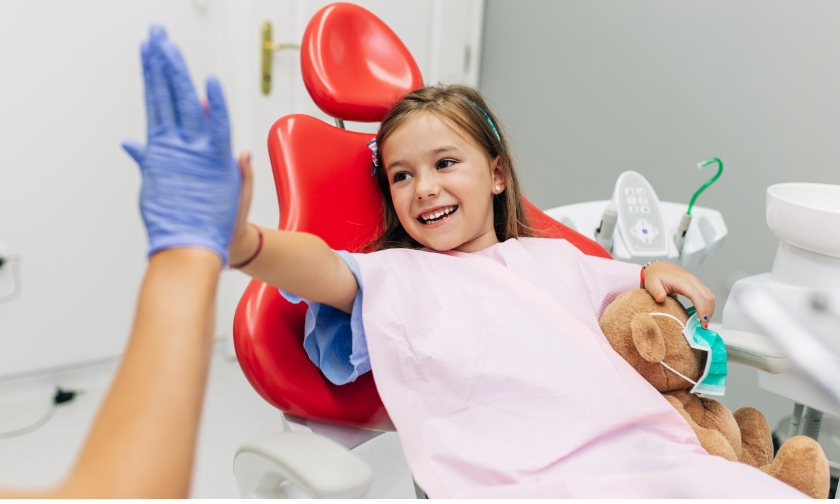
The habits a child builds around oral hygiene before the age of ten are among the strongest predictors of their dental health for the rest of their life. Children who grow up brushing consistently, flossing daily, and visiting their dentist regularly carry those habits into adolescence and adulthood — avoiding the cavities, gum disease, and costly restorative work that result from years of inadequate care.
The challenge for most parents is not knowing what their child should be doing — it is getting them to do it consistently and genuinely, rather than through a rushed, half-hearted routine that does not actually clean the teeth. This guide gives Las Vegas parents practical, age-specific strategies for building real oral hygiene habits that last.
Why Habits — Not Just Knowledge — Are the Goal
Most children who develop cavities are not unaware that they are supposed to brush their teeth. They brush — but not well, not long enough, or not consistently. The gap between knowing and doing is where most pediatric oral hygiene breaks down, and it is precisely this gap that intentional habit-building is designed to close.
Research in behavioral psychology consistently shows that habits are formed through a cycle of cue, routine, and reward. When parents deliberately build this cycle around oral hygiene routines — particularly in the early years when children are most receptive to forming new patterns — the routine gradually becomes automatic rather than requiring parental enforcement. The goal is for brushing and flossing to feel as natural and unremarkable as putting on shoes before leaving the house.
Before Teeth Erupt: The Foundation Begins Earlier Than You Think
Many parents assume that oral hygiene starts when the first tooth appears. The foundation, however, begins before any teeth are visible — with the care of the infant’s gums and the family’s approach to oral health more broadly.
From birth:
- After each feeding, gently wipe the baby’s gums with a clean, damp washcloth or a soft infant gum brush. This removes bacteria and sugars that would otherwise remain on the gum tissue.
- Avoid putting the baby to sleep with a bottle containing milk, formula, or juice — this practice, called ‘bottle rot’ or early childhood caries, is one of the most common and preventable causes of severe tooth decay in toddlers.
- Never share spoons, forks, or pacifiers between the parent and baby — the bacteria that cause tooth decay (Streptococcus mutans) are transmitted through saliva, and parents can inadvertently transfer cavity-causing bacteria to a child who does not yet have these bacteria in their own mouth.
Age 0–3: The First Tooth Arrives
The eruption of the first tooth — typically around 6 months of age — marks the beginning of active dental care. This is also when the first visit to a pediatric dentist should be scheduled. Most professional guidelines, including those from the American Academy of Pediatric Dentistry, recommend that a child’s first dental visit occur by their first birthday or within six months of the first tooth erupting, whichever comes first.
Brushing:
- Use a soft-bristled infant toothbrush with a rice-grain-sized smear of fluoride toothpaste. This is a very small amount — just enough to coat the bristles.
- Brush twice daily — after breakfast and before bed — making it part of the morning and evening routine from the very beginning.
- Let the child see you brushing. Imitation is the most powerful learning tool in the toddler years.
Fluoride toothpaste:
Parents sometimes express concern about using fluoride toothpaste on very young children. The current scientific consensus and pediatric dental guidelines support the use of fluoride toothpaste from the eruption of the first tooth, using a rice-grain-sized amount for children under 3 and a pea-sized amount for children 3 to 6. The fluoride concentration in standard adult and children’s toothpaste is equivalent — what differs is the amount used.
Common challenge — resistance to brushing:
Toddlers frequently resist having their teeth brushed. Strategies that help include:
- Letting the child ‘brush’ the parent’s teeth first before the parent brushes theirs — creating reciprocity and a sense of control
- Singing a two-minute song or using a two-minute timer to make the duration concrete and game-like
- Allowing the child to choose their own toothbrush (with an age-appropriate character) and their own toothpaste flavor
- Making brushing a shared activity rather than a task done to the child
- Using positive reinforcement — a sticker chart, verbal praise, or a simple celebration for brushing compliance
Age 3–6: The Critical Window for Habit Formation
The preschool years represent one of the most important windows for habit formation. Children in this age range are old enough to begin participating actively in their own care, are highly responsive to routine and structure, and are strongly influenced by parental modeling and approval.
Brushing technique:
Children under age 6 do not yet have the fine motor coordination to brush their own teeth effectively. The recommended approach during this period is to let the child brush first as part of developing autonomy and interest, then follow up by doing it yourself to ensure all surfaces are actually clean. Signs that the child needs help: they are brushing only the fronts of the teeth, they are brushing with only horizontal scrubbing motions (rather than circular or angled motions), or they are not brushing for the recommended two minutes.
Introducing flossing:
Once any two teeth are touching, flossing begins. For most children, this occurs in the toddler or preschool years. Flossing for young children is done entirely by the parent. Floss picks (small plastic tools with pre-strung floss) are significantly easier to use on young children than traditional string floss. Floss daily — even if it feels difficult at first. This is a habit that requires consistency to become routine.
First dental visits and desensitization:
If a child has been attending dental visits since age one, the preschool years are typically when they become genuinely comfortable and even enthusiastic about the dentist. Pediatric dental offices are intentionally designed to be welcoming and child-appropriate — with bright colors, child-scaled furniture, ceiling TVs, and toys in the waiting room. Pediatric dentists and their teams use specific communication techniques (‘show, tell, do’ and tell-first, not-surprise approaches) to help children feel safe and in control during appointments.
- Schedule dental cleanings every six months — this is both the preventive standard and a regularity that normalizes dental visits as a routine part of life
- Avoid using dental visits as a threat (‘if you don’t brush, the dentist will have to drill your teeth’) — this creates anxiety that makes children harder to treat and more likely to avoid dental care in adulthood
- Use positive framing: the dentist counts their teeth, cleans off the sugar bugs, and gives them a new toothbrush
Age 6–12: Building Independence
As children enter school age, the goal shifts from parent-directed hygiene to increasingly child-directed hygiene with parental oversight. By age 8 or 9, most children have developed sufficient manual dexterity to brush their own teeth effectively — though supervision and verification remain important until the early teen years.
Electric toothbrushes:
Electric toothbrushes are significantly more effective at plaque removal than manual brushes, and they are particularly useful for children who tend to rush brushing or who brush with inadequate technique. Many children in the 6-to-12 age range are enthusiastic about electric toothbrushes because they feel different and novel. Look for models with a built-in two-minute timer. Replace brush heads every three months or after any illness.
Flossing independence:
Traditional string floss becomes manageable for most children around ages 8 to 10. Before that, floss picks or floss handles make the task achievable independently. Building flossing into the nighttime routine — after brushing, before bed — is more effective than attempting to add it as a separate daytime task.
Dietary habits and their impact on oral health:
The frequency of sugar exposure matters as much as the total amount of sugar consumed. Every time sugar is consumed, the bacteria in the mouth produce acid that demineralizes tooth enamel for approximately 20 to 30 minutes afterward. A child who drinks one soda in ten minutes has one acid exposure. A child who sips a juice box over three hours has a near-continuous acid environment. Las Vegas parents should encourage:
- Limiting sugary beverages to mealtimes rather than sipping throughout the day
- Drinking water between meals — Las Vegas tap water is fluoridated, providing an additional daily fluoride benefit
- Choosing sugar-free gum (containing xylitol) when gum is desired — xylitol actively inhibits the growth of cavity-causing bacteria
- Rinsing with water after sugary snacks when brushing is not immediately possible
Age 12+: Adolescence and the Challenge of Consistency
Adolescence introduces new challenges to oral hygiene maintenance. Teenagers frequently become less consistent with brushing, are more likely to skip flossing, and may have dietary habits (sports drinks, energy drinks, frequent snacking) that increase cavity risk. Teens in orthodontic treatment face the additional complexity of maintaining hygiene around braces or aligners.
Motivating adolescents:
The arguments that work with younger children — routine, sticker charts, parental approval — have significantly less influence during adolescence. More effective motivators for teenagers typically include:
- Aesthetics: Teeth whitening, fresh breath, and the social confidence associated with a clean, healthy smile are powerful motivators for image-conscious teens
- Cost consequence: Some teenagers respond to the concrete information that untreated cavities lead to fillings, root canals, and dental bills that will eventually be their own financial responsibility
- Sports performance: Athletes respond to information about the connection between oral health and systemic health, including the documented link between gum inflammation and athletic performance
Teen-specific risks to address:
- Sports drinks and energy drinks are highly acidic and contain significant sugar — they are among the leading causes of enamel erosion in teenagers
- Tongue piercings and lip piercings carry significant risks of chipping teeth and causing gum recession
- Vaping and tobacco use are associated with gum disease and oral cancer — adolescence is the peak vulnerability period for initiation
Working With Your Pediatric Dentist as a Partner
One of the most underused resources for building children’s oral hygiene habits is the relationship with a pediatric dentist. The twice-yearly cleaning appointment is not just a time to clean teeth — it is also a direct educational interaction between the dental team and the child. At each visit, a pediatric dentist and hygienist can:
- Show the child exactly where plaque is accumulating (using disclosing tablets that make plaque visible) and help them understand how to address it
- Reinforce brushing and flossing technique in a way that feels authoritative to the child and does not carry the emotional charge of a parental reminder
- Identify early decay before it becomes a cavity that requires treatment — catching demineralized enamel at the ‘white spot’ stage allows it to be reversed with fluoride treatment rather than filled
- Apply fluoride varnish and, for eligible children, dental sealants on back molars that are particularly vulnerable to decay
- Adjust recommendations based on the individual child’s cavity risk, anatomy, and specific hygiene challenges
The pediatric dentist is a partner in your child’s long-term oral health — not just an intervention provider when something goes wrong. Families who maintain consistent twice-yearly visits from infancy through adolescence consistently achieve better long-term oral health outcomes for their children.
A Quick-Reference Guide by Age
| Age | Key Tasks | Parent’s Role |
| Birth – 6 mo | Wipe gums after feedings | Fully parent-directed |
| 6 mo – 2 yrs | Brush with rice-grain fluoride toothpaste twice daily | Parent brushes; child watches |
| 2 – 4 yrs | Brush twice daily; begin flossing when teeth touch | Parent brushes after child attempts |
| 4 – 7 yrs | Brush 2 min twice daily; daily flossing | Parent supervises and finishes |
| 7 – 11 yrs | Independent brushing and flossing | Parent spot-checks weekly |
| 12+ | Full independent routine; address teen-specific risks | Periodic discussion; model good habits |
At Nevada Orthodontics & Pediatric Dentistry, our pediatric dental team partners with Las Vegas families from their child’s very first tooth through adolescence — building not just healthy smiles, but lifelong oral health habits that last well beyond our office walls. As your trusted pediatric dentist in Las Vegas, we provide comprehensive preventive care, parent education, and a warm, child-friendly environment that makes dental visits something children genuinely look forward to. If it has been more than six months since your child’s last dental cleaning, or if you are looking to establish care with a pediatric dentist in Las Vegas your family can count on, contact Nevada Orthodontics & Pediatric Dentistry at 702-802-0035 to schedule an appointment today.