
 English




































































































































































































































































































































































![swimsuit edition [abbb] - 1.20 21 swimsuit edition - chapter](https://mymagazine.blog/wp-content/uploads/2025/09/swimsuit-edition-abbb-1.20-21-swimsuit-edition-chapter1-1024x574.webp)





SSL Certificate for Website: The Key to Security and Trust

Have you ever noticed a small padlock icon next to a website’s URL? Or perhaps you’ve seen a “Not Secure” warning flash across your screen when trying to visit a page? These are the visible signs of a behind-the-scenes technology that keeps the internet safe: the SSL certificate.
For years, encryption was something only banks and e-commerce giants worried about. But the web has changed. Today, having an SSL certificate for website security is a fundamental requirement for every site owner, from personal bloggers to Fortune 500 companies. It is no longer an optional upgrade; it is the standard for a trustworthy internet.
If you are launching a new site or looking to upgrade your current one, understanding SSL is critical. This guide breaks down exactly what an SSL certificate is, why your website desperately needs one, and how to choose the right type for your needs.
What Exactly is an SSL Certificate?
SSL stands for Secure Sockets Layer. In simple terms, an SSL certificate for website use is a digital file that binds a cryptographic key to an organization’s details. When installed on a web server, it activates the padlock and the https protocol (over port 443) and allows secure connections from a web server to a browser.
Think of it as a secure tunnel. Without SSL, data sent between a user’s browser and your website is sent in plain text. This means if a hacker intercepts that data—whether it’s a password, credit card number, or just an email address—they can read it effortlessly.
When you install an SSL certificate, that data is scrambled into an indecipherable code. Only the intended recipient (your server) has the key to unlock and read the information. This process is called encryption, and it ensures that even if data is intercepted, it remains useless to the attacker.
Why Every Modern Website Needs SSL
You might be thinking, “I just run a simple blog. I don’t sell anything. Do I really need an SSL certificate for website security?” The answer is a resounding yes. Here is why encryption is non-negotiable in the modern web landscape.
- It Protects User Data
The primary purpose of SSL is security. Even if you aren’t collecting credit card payments, you are likely collecting data. Contact forms, email newsletter signups, and login credentials all transmit information that needs protection. If a visitor fills out a “Contact Us” form on a non-secure site, that message could be intercepted.
- Browser Warnings Kill Traffic
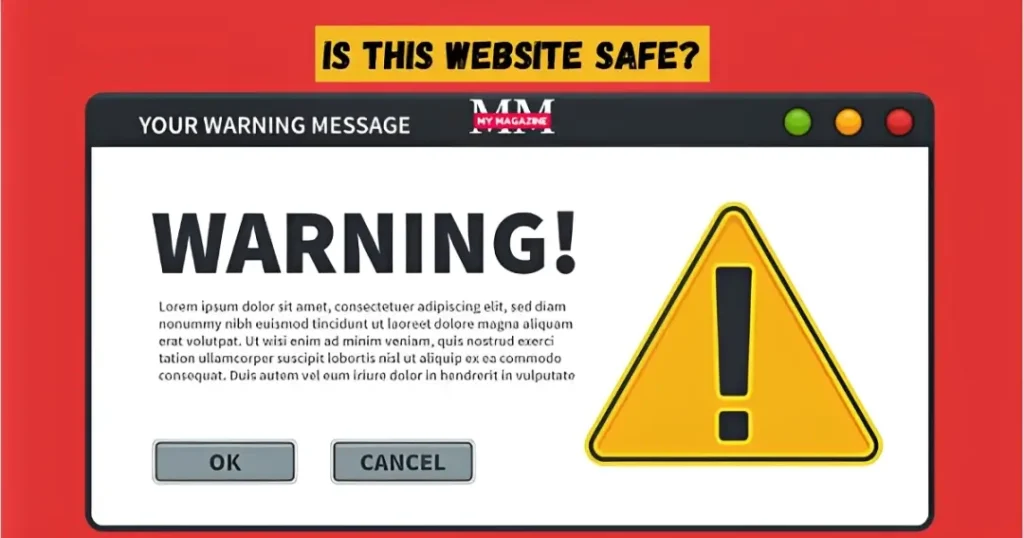
Web browsers like Google Chrome and Mozilla Firefox are on a mission to make the web more secure. If your site does not have an SSL certificate, these browsers will flag it.
Instead of your homepage, visitors might see a stark warning screen saying, “Your connection is not private.” This is a massive deterrent. Most users will immediately click the “Back” button, increasing your bounce rate and killing your traffic.
- Better Search Engine Rankings (SEO)
Google wants to send its users to safe, secure websites. As far back as 2014, Google announced that HTTPS would be a ranking signal. While it might not rocket you to number one overnight, having an SSL certificate for website optimization is a tie-breaker. If two sites are equal in quality but one has SSL and the other doesn’t, the secure site will likely rank higher.
- It Builds Trust and Credibility
Trust is hard to earn and easy to lose. When users see the padlock icon, they feel safe. It signals that you value their privacy and have taken steps to protect them. Conversely, the absence of SSL screams negligence. In an era where data breaches are common news, users are more security-conscious than ever.
Choosing the Right Type of Certificate
Not all certificates are created equal. While they all offer the same level of encryption strength (usually 256-bit), they differ in how they verify your identity. Choosing the right SSL certificate for website needs depends on the size and nature of your business.
Domain Validation (DV)
This is the most basic and affordable option. The Certificate Authority (CA) simply verifies that you own the domain name.
- Best for: Personal blogs, portfolios, and informational sites.
- Verification: Automated via email or file upload.
- Speed: Issued in minutes.
Organization Validation (OV)
This certificate offers a higher level of trust. The CA verifies that your organization is a legitimate legal entity. It confirms not just domain ownership, but also that a real business is behind the site.
- Best for: Small businesses, NGOs, and corporate websites that don’t handle payments.
- Verification: Requires business documentation and takes a few days.
- Speed: 1-3 days.
How to Get and Install Your Certificate
Getting an SSL certificate for website security is easier than ever. Here is a simplified path to securing your site:
- Check with Your Hosting Provider: Many web hosts now offer free SSL certificates (often from Let’s Encrypt) as part of their hosting packages. This is the easiest route, as they often handle the installation and renewal automatically.
- Purchase from a Certificate Authority: If you need an OV or EV certificate, or if your host doesn’t offer free options, you can buy one from a trusted provider like DigiCert, Sectigo (formerly Comodo), or GeoTrust.
- Install and Configure: Once issued, you will need to install the certificate files on your server. If you aren’t technical, most hosting support teams will do this for you.
- Force HTTPS: After installation, ensure your website automatically redirects all visitors from the old “http://” version to the secure “https://” version. This ensures no one accidentally lands on the insecure version of your site.
Conclusion: Don’t Wait to Secure Your Site
The internet is moving toward a 100% encrypted future. An SSL certificate for website functionality is the baseline for participating in the digital economy. It protects your visitors, satisfies search engines, and keeps your brand reputation intact.
Whether you choose a free DV certificate for your blog or invest in a premium EV certificate for your online store, the important thing is to take action. Don’t let a “Not Secure” warning be the first thing your potential customers see. Secure your site today and build a foundation of trust for tomorrow.
For More Visits: Mymagazine