
 English























































































































































































































































































































































































![swimsuit edition [abbb] - 1.20 21 swimsuit edition - chapter](https://mymagazine.blog/wp-content/uploads/2025/09/swimsuit-edition-abbb-1.20-21-swimsuit-edition-chapter1-1024x574.webp)





Exploring Australia: Historic Places to Visit and the Best Ways to Have Fun

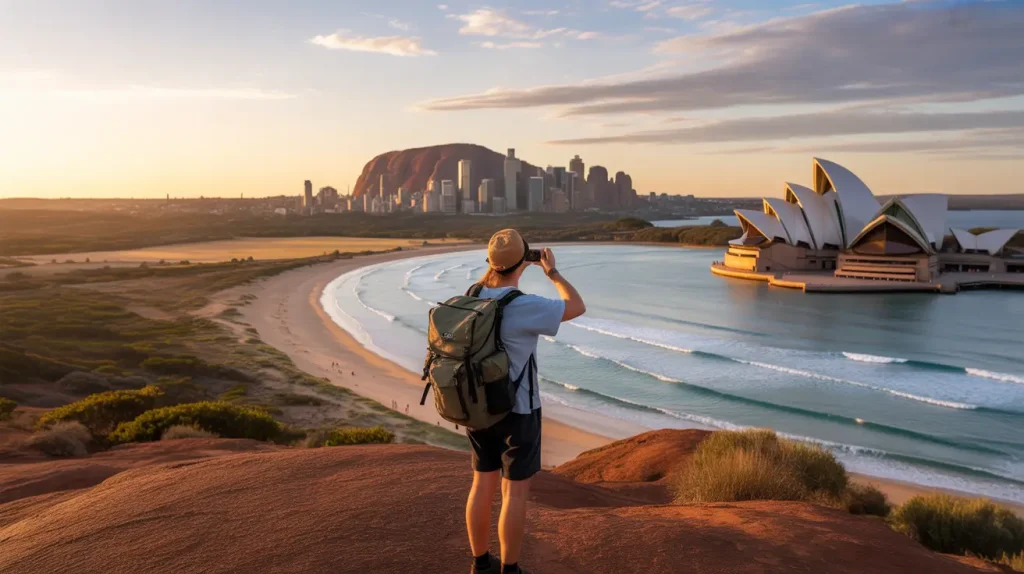
Australia offers two travel experiences in one country. You can walk through streets where the modern nation began in 1788, then spend the same evening at a harbourside show, a laneway bar, or a beachfront festival. Few destinations let you move between deep history and pure entertainment so easily. This guide shows you where to find Australia’s most remarkable historical places and how to fill the rest of your trip with fun, with real examples and practical details for every stop.
Step Back in Time: Australia’s Most Remarkable Historical Places
Australian history runs on two timelines. European settlement covers a little more than two centuries. Indigenous culture stretches back more than 60,000 years. The best historical sites let you experience both.
The Rocks, Sydney
Modern Australia began here when the First Fleet arrived in January 1788. The Rocks keeps its original sandstone warehouses, narrow lanes, and convict-built buildings. Cadmans Cottage, built in 1816, still stands as one of the oldest surviving houses in the city. Visit on a weekend for The Rocks Markets, then join a guided walking tour that covers the area’s convict and maritime past. The Museum of Contemporary Art sits at the edge of the district so that you can pair colonial history with modern culture in a single afternoon.
Port Arthur, Tasmania
Port Arthur operated as a convict settlement from 1830 to 1877, and UNESCO listed it as a World Heritage Site in 2010. About 12,500 convicts passed through its cells and workshops. Today, you can tour the penitentiary ruins, the separate prison, and the church, and take the harbour cruise to the Isle of the Dead, where more than 1,000 people are buried. The evening ghost tour, run continuously since the 1990s, remains one of Tasmania’s most booked experiences.
Sovereign Hill, Ballarat
Gold was discovered near Ballarat in 1851, and the rush that followed reshaped the country. Sovereign Hill recreates that decade as a living museum. Costumed workers pour molten gold, drive horse-drawn coaches, and run a working 1850s bakery. Visitors can pan for real gold in the creek, and many leave with small flakes. The site welcomes more than 700,000 visitors each year, which makes it one of regional Australia’s most popular attractions.
Uluru and Kakadu, Northern Territory
For the older timeline, head to the centre and the north. Uluru rises 348 metres from the desert and holds deep spiritual significance for the Anangu people. Guided walks around the base explain creation stories tied to specific rock formations. Kakadu National Park protects rock art galleries at Ubirr and Nourlangie, where some paintings date back about 20,000 years. Standing in front of art that old changes how you think about history anywhere else in the world.
Fremantle Prison, Western Australia
Convicts built this limestone prison in the 1850s, and it held inmates until 1991. The tunnel tour takes you 20 metres underground through passages that the prisoners dug by hand. It is one of eleven sites that make up the Australian Convict Sites World Heritage listing.
Entertainment Across Australia: Cities, Beaches, and Nightlife
History fills your days, and Australia’s entertainment scene fills your nights. Each major city has a distinct personality, so plan your fun around what each place does best.
Sydney
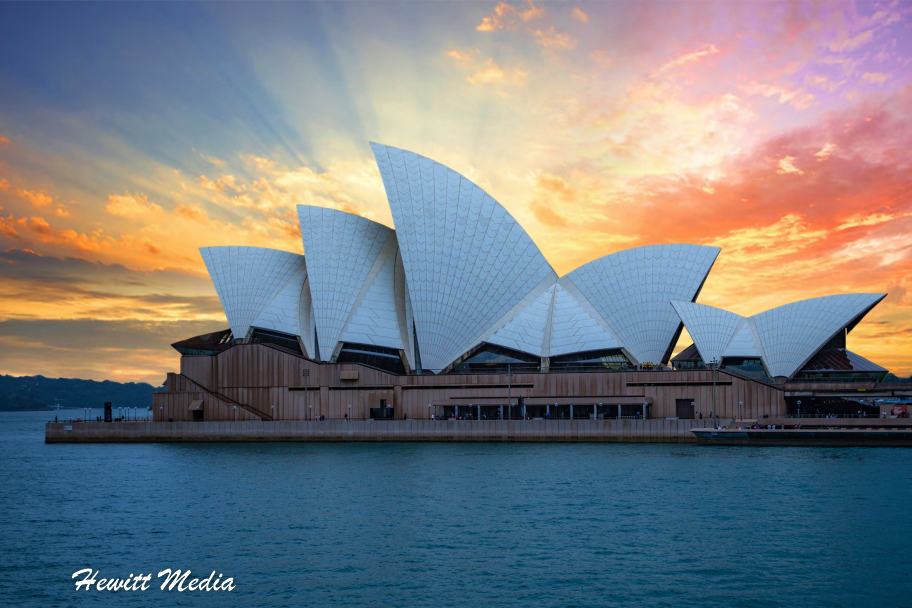
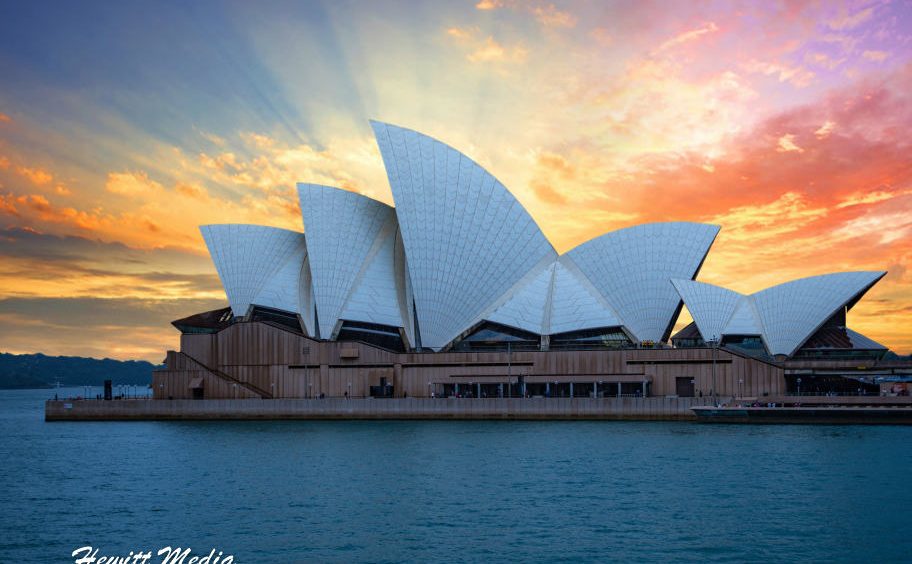
Sydney delivers spectacle. The Opera House stages more than 1,800 performances a year, from opera to comedy to contemporary music. Book a harbour cruise at sunset, then walk to Darling Harbour for waterfront dining and fireworks on Saturday nights. If you visit between late May and mid June, Vivid Sydney transforms the harbour into a canvas of light installations. The 2023 festival drew more than 3.2 million attendees, which makes it one of the largest light festivals in the world.
Melbourne
Melbourne rewards explorers. The city hides its best venues in laneways: cocktail bars behind unmarked doors, rooftop cinemas, and live music rooms like The Corner Hotel, which has hosted everyone from local bands to international acts for decades. Sports fans should time a visit around the Australian Open in January or an AFL match at the Melbourne Cricket Ground, which seats 100,024 people and roars like nowhere else in the country. The Melbourne International Comedy Festival, each autumn, runs more than 600 shows.
The Gold Coast
The Gold Coast is built for fun. Theme parks line the highway: Warner Bros. Movie World, Dreamworld, Sea World, and Wet’n’Wild. Surfers Paradise beach runs straight into a nightlife strip of clubs and rooftop bars. Families and party travellers share the same postcode here, and both leave satisfied.
Online Entertainment and Natural Attractions
Online entertainment has its place on an Australian trip too. Long transfers between cities give travellers downtime, and many fill it with streaming, mobile games, or browser-based gaming. Players who enjoycasino-style games often start with a no deposit bonus, which lets them try pokies and table games without spending their travel budget. It works the same way a free museum day or a complimentary hotel tasting does: you sample the experience first and decide later whether it deserves your money. Just check the terms before you claim anything, and treat it as light entertainment rather than a way to fund the next leg of your trip.
Beyond the cities, the entertainment is natural. Snorkel the Great Barrier Reef from Cairns, where day boats reach the outer reef in about 90 minutes. Watch the penguin parade at Phillip Island, where little penguins cross the beach at sunset every single night of the year. Feed kangaroos at open-range sanctuaries like Bonorong in Tasmania. Wine lovers should book a day in the Barossa Valley near Adelaide, where family wineries like Seppeltsfield pour tastings straight from barrels dating back more than a century.
Planning Your Trip: How to Combine History and Fun
Good planning lets you pair every historical site with nearby entertainment, so no day feels like a school excursion.
Match sites with experiences
The pairings fall into place naturally:
| Historical Site | Nearby Entertainment | Suggested Time
|
|---|---|---|
| The Rocks, Sydney | Opera House show, harbour cruise | 2 days |
| Port Arthur, Tasmania | Hobart’s Salamanca Market, MONA gallery | 2 days |
| Sovereign Hill, Ballarat | Melbourne laneways, live sport | 3 days |
| Uluru and Kakadu | Field of Light installation, Darwin sunset markets | 4 days |
| Fremantle Prison | Fremantle craft breweries, Rottnest Island quokkas | 2 days |
Pick the right season
Australian seasons run opposite to the Northern Hemisphere. September to November and March to May offer mild weather across most of the country. Visit the Red Centre between May and September, because summer temperatures at Uluru regularly pass 40 degrees Celsius. Tasmania shines from December to February.
Get around smartly
Distances are huge. Sydney to Uluru is about 2,800 kilometres, so fly between regions and drive within them. Budget airlines like Jetstar connect every major city. For the Tasmania and Victoria legs, a rental car gives you freedom to reach Port Arthur and Ballarat on your own schedule.
Budget realistically
Entry fees for major historical sites range from AU$47 for Port Arthur to around AU$49 for Sovereign Hill, and a three-day Uluru park pass costs AU$38. Free options balance the ledger: The Rocks itself costs nothing to wander, most city beaches are free, and many museums, like the Australian Museum in Sydney, offer free general entry.
A sample ten-day route
A sample ten-day route shows how it all fits. Spend days one to three in Sydney for The Rocks, the Opera House, and a northern beaches day. Fly to Hobart for days four and five to cover Port Arthur and Salamanca. Take days six to eight in Melbourne and Ballarat for Sovereign Hill, laneway dining, and a match at the MCG. Finish with days nine and ten at Uluru for the base walk and the Field of Light at dawn.
Australia rewards travellers who refuse to choose between learning and fun. Walk a convict cell block in the morning, cheer in a packed stadium at night, and stand before 20,000-year-old rock art two days later. Build your trip around that contrast, and the country will give you stories worth telling for years.