

 English





































































































































































































































































































































































































![swimsuit edition [abbb] - 1.20 21 swimsuit edition - chapter](https://mymagazine.blog/wp-content/uploads/2025/09/swimsuit-edition-abbb-1.20-21-swimsuit-edition-chapter1-1024x574.webp)





Why Continuing Education Is Becoming Central to Professional Growth in Nursing

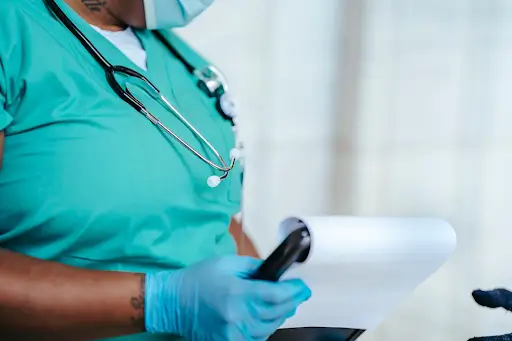
Nursing may be one of the few professions where graduation is often viewed as the beginning of the educational journey rather than the finish line. A nurse who completed training ten years ago entered a healthcare environment that looked noticeably different from the one operating today. New technologies appear regularly. Treatment approaches evolve. Patient populations present different challenges. Healthcare systems adopt new regulations, documentation requirements, and care delivery models. The pace of change means knowledge that felt current at one stage of a career may need updating surprisingly quickly. For many nurses, staying effective involves continuously building new skills throughout their professional lives.
This reality is becoming more visible across hospitals, clinics, community health programs, rehabilitation centers, and long-term care facilities. Healthcare employers increasingly look for professionals who remain engaged with learning because patient needs continue to become more complex.
Flexible Advancement
One of the biggest challenges facing working nurses is finding ways to continue their education without stepping away from patient care entirely. Many professionals already balance demanding schedules, family responsibilities, rotating shifts, and personal commitments. Returning to school under traditional models can feel difficult because life does not pause simply because someone wants to advance professionally.
However, this challenge has helped increase interest in flexible educational pathways. Online RN MSN pathways are expanding access to advanced nursing education for working professionals by allowing nurses to continue building credentials while remaining active in their careers. Many nurses appreciate options that fit around existing responsibilities rather than requiring major disruptions to work and family life. Flexible online programs have become increasingly important because professional development now needs to work alongside real-world schedules. For experienced nurses, the ability to pursue advanced education while maintaining clinical involvement creates opportunities that might have felt unrealistic under older educational structures.
Specialized Knowledge
Healthcare environments continue to become more specialized, which has increased demand for nurses with deeper expertise in specific areas of practice. General nursing knowledge remains important, though many patient populations now require a highly focused understanding involving complex conditions, advanced treatments, and long-term management strategies. A nurse working with cardiac patients faces very different challenges than someone specializing in mental health, oncology, critical care, or community health.
Continuing education allows nurses to strengthen their knowledge in areas directly connected to their professional interests and career goals. Specialized learning helps professionals stay informed about current best practices while building confidence in complex clinical situations. Healthcare organizations increasingly value that expertise because patients often require care plans involving multiple conditions, medications, and treatment approaches simultaneously.
Healthcare Technology
Few areas of healthcare have changed as rapidly as technology. Electronic health records, telehealth services, wearable monitoring devices, artificial intelligence tools, digital imaging systems, and remote patient management platforms now play major roles across many healthcare environments. Nurses frequently interact with technology throughout their shifts, making technological literacy an important part of professional competence.
Continuing education helps nurses stay comfortable with those changes rather than feeling left behind by them. Learning opportunities focused on emerging technologies allow professionals to understand how new tools fit into patient care while improving efficiency and communication. A nurse who feels confident using modern healthcare systems can spend less energy struggling with unfamiliar platforms and more energy focusing on patients.
Lifelong Learning Culture
Healthcare employers are placing greater value on lifelong learning because adaptability has become one of the most important professional qualities in modern healthcare environments. Hospitals and healthcare organizations understand that clinical excellence depends partly on a willingness to keep learning as circumstances change. New research findings, updated guidelines, and evolving treatment recommendations appear constantly, making curiosity and professional development valuable assets.
A culture of lifelong learning benefits both organizations and individual nurses. Employers gain professionals who remain informed and prepared for changing demands, while nurses strengthen their professional confidence and career flexibility. Pursuing higher education often signals a commitment to growth, initiative, and professional engagement. Those qualities can influence leadership opportunities, career advancement, and long-term professional development.
Community Health Needs
Communities rarely remain the same over long periods of time. Population growth, demographic shifts, public health concerns, and changing healthcare access patterns all influence the types of care people need. Nurses frequently work at the intersection of those changes because they interact directly with patients experiencing the effects of evolving community health challenges.
Continuing education helps nurses respond effectively to those shifts. A community experiencing increased rates of chronic illness, mental health concerns, aging populations, or healthcare access barriers may require nurses with updated knowledge and new approaches to patient care. Ongoing learning allows professionals to stay connected to current realities rather than relying solely on knowledge gained years earlier.
Chronic Disease Care
Chronic disease management has become one of the most significant reasons nurses pursue continuing education because many patients now live for years or even decades while managing ongoing health conditions. Diabetes, heart disease, respiratory illnesses, kidney disorders, and other chronic conditions often require continuous monitoring, patient education, medication management, and long-term support rather than short treatment periods followed by recovery.
This reality places nurses at the center of patient care journeys that can last a long time. Continuing education helps professionals stay current with treatment recommendations, care planning approaches, lifestyle management strategies, and patient communication techniques connected to chronic disease care. As healthcare systems place increasing attention on prevention, long-term outcomes, and quality of life, nurses often need knowledge that extends far beyond traditional bedside responsibilities.
Evidence-Based Practice
Healthcare decisions today rely heavily on research, clinical data, and proven treatment approaches. New studies regularly influence recommendations, procedures, and patient care strategies. Nurses are expected to understand those developments and apply reliable information within everyday practice.
Continuing education helps strengthen evidence-based practice skills by teaching nurses how to evaluate research, interpret findings, and integrate updated knowledge into patient care. Rather than relying solely on established habits or routines, professionals can make decisions informed by current evidence and evolving clinical understanding. This ability becomes increasingly important as healthcare continues advancing through research discoveries and improved treatment approaches. Nurses who remain engaged with ongoing learning often feel better prepared to adapt as new information enters clinical environments.
Career Mobility
Continuing education creates opportunities that extend beyond a nurse’s current position. Many professionals begin their careers in one area of healthcare and later discover interests in leadership, education, administration, specialized clinical practice, informatics, case management, or community health. Additional education often opens pathways that support those transitions.
Professional growth rarely follows one predictable route anymore. A nurse may spend years in direct patient care before pursuing leadership responsibilities. Another may move toward education, quality improvement initiatives, or specialized practice areas requiring advanced qualifications. Continuing education helps keep those options available by allowing professionals to expand skills and credentials throughout their careers.
New technologies, changing patient needs, specialized clinical roles, chronic disease management challenges, and expanding healthcare systems all create demands that extend beyond initial nursing education. Nurses who remain engaged in learning often gain stronger clinical knowledge, broader career opportunities, and greater confidence tackling complex healthcare environments.