

 English












































































































































































































































































































































































































![swimsuit edition [abbb] - 1.20 21 swimsuit edition - chapter](https://mymagazine.blog/wp-content/uploads/2025/09/swimsuit-edition-abbb-1.20-21-swimsuit-edition-chapter1-1024x574.webp)





How Social Work Contributes to Safer and Healthier Communities

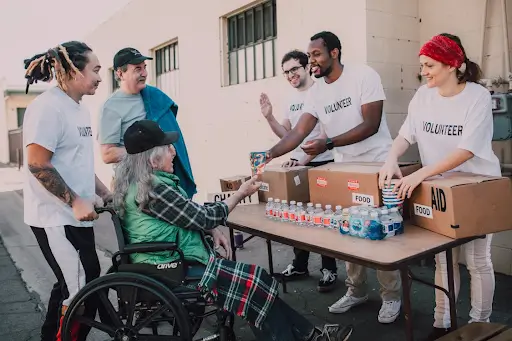
Have you noticed how every major crisis now seems to come with a mental health angle, a housing problem, or a family under pressure? From rising opioid deaths to school violence and loneliness after the pandemic, communities are dealing with problems that police, teachers, and hospitals cannot solve alone. Social workers step into those gaps every day. They connect people with services, calm tense situations, and help neighborhoods stay safer and healthier without turning every struggle into a punishment or emergency room visit.
The Front Line Between Crisis and Stability
Social workers often become the first people called when families are falling apart, teenagers are skipping school, or someone is spiraling through addiction. In many cities, they now respond alongside police officers during mental health emergencies because sending only law enforcement into emotional situations has not always ended well. Several states expanded these programs after public protests pushed leaders to rethink community safety models. These partnerships also reduce unnecessary arrests and hospital overcrowding while helping vulnerable people receive treatment, counseling, and long-term community support.
The work is emotionally demanding, but interest in the profession keeps growing because people see how deeply it affects daily life. Discussions about the criminal justice social worker salary have also increased as more workers enter courts, prisons, and rehabilitation programs where they help reduce repeat offenses and connect former inmates with housing, therapy, and job training before they return to the community.
Schools Are Becoming Community Health Centers
Teachers today are expected to handle anxiety attacks, bullying, online harassment, and family instability before lunch break. That is one reason school social workers are becoming essential instead of optional. Students cannot focus on math when they are worried about eviction notices sitting on the kitchen table or constant conflict at home.
Many districts now use social workers to identify warning signs early and prevent larger problems later. In states dealing with youth mental health crises, social workers help students access counseling before behavior turns dangerous or self-destructive. It is a practical shift because suspending children for emotional struggles never really solved anything. It mostly created adults who hated school and distrusted authority.
Addiction Recovery Starts With Human Connection
America continues to battle addiction, especially with fentanyl deaths climbing in many states. Communities have learned that recovery rarely happens through punishment alone. Social workers help people navigate rehab systems, secure transportation to treatment centers, and rebuild relationships damaged by substance abuse.
Some cities now place social workers directly inside hospitals because overdose survivors often leave emergency rooms with nowhere to go and no support plan. That approach has reduced repeat overdoses in several communities. It turns out people are less likely to return to dangerous habits when someone consistently checks on them instead of simply handing them discharge paperwork and hoping for the best.
Housing Problems Create Public Safety Problems
Rents keep rising while affordable housing remains difficult to find, especially in major cities. Social workers often spend hours helping families avoid eviction because unstable housing can quickly trigger school absences, job loss, health issues, and crime. A child sleeping in a car is not likely to show up rested and ready for class the next morning.
Homeless outreach teams increasingly rely on social workers instead of treating homelessness only as a policing issue. That shift matters because many unhoused individuals struggle with untreated trauma, mental illness, or disabilities. Arresting someone for sleeping on a bench may clear the sidewalk temporarily, but it rarely changes the larger problem. Communities are slowly realizing that stability costs less than constant emergency responses.
Mental Health Support Is Finally Going Mainstream
A decade ago, many people avoided therapy because they feared judgment. Now celebrities casually discuss anxiety and burnout on podcasts like they are talking about weather updates. While social media can exaggerate self-diagnosis trends, it has also made emotional struggles easier to discuss openly.
Social workers play a major role in changing culture because they provide affordable support in schools, hospitals, clinics, and nonprofit organizations. They also help families understand that mental illness is not laziness or bad parenting. That education matters in communities where stigma still prevents people from seeking treatment. A calm conversation with a trained social worker can sometimes prevent a breakdown, a violent argument, or even a suicide attempt.
Social Workers Help Older Adults Stay Safe
America’s population is aging, and many families are unprepared for the emotional and financial stress that comes with elder care. Social workers help seniors access healthcare, transportation, meal programs, and protection from scams or neglect. With online fraud targeting older adults more aggressively, their role has become even more important.
They also support caregivers who are quietly burning out while juggling jobs, parenting, and medical appointments for aging relatives. Without that support, families often reach crisis points that could have been avoided earlier. It is one of the less visible parts of social work, but it directly affects community health because isolated seniors face higher risks of depression, illness, and financial abuse.
Violence Prevention Requires More Than Arrests
Communities struggling with gun violence increasingly use violence interruption programs where trained workers mediate disputes before retaliation happens. Many of these workers have backgrounds in social work or trauma counseling because they understand how fear and grief shape behavior after violent incidents.
Research shows people exposed to repeated violence often live in survival mode, making impulsive reactions more likely. Social workers help interrupt that cycle by connecting residents with counseling, youth programs, and conflict resolution support. It sounds less dramatic than television crime shows, but preventing one shooting through mediation helps a neighborhood far more than solving one afterward with yellow tape and a press conference.
Building Stronger Communities Takes Patience
Social work rarely produces flashy headlines because success often looks ordinary. A teenager stays in school. A veteran finds stable housing. A struggling parent learns how to manage stress without violence. These outcomes may not trend online, but they quietly shape safer neighborhoods over time.
The profession also reminds communities of something modern culture forgets too easily: most people do better when they feel supported instead of discarded. Social workers cannot solve every crisis alone, and they are often stretched thin, underfunded, and emotionally exhausted. Still, their work strengthens schools, hospitals, courts, and neighborhoods in ways that ripple outward for years. In a country searching for safer and healthier communities, that role has never mattered more.