

 English

















































































































































































































































































































































































































![swimsuit edition [abbb] - 1.20 21 swimsuit edition - chapter](https://mymagazine.blog/wp-content/uploads/2025/09/swimsuit-edition-abbb-1.20-21-swimsuit-edition-chapter1-1024x574.webp)





How Parents Help Build Safe Driving Habits in Teen Drivers

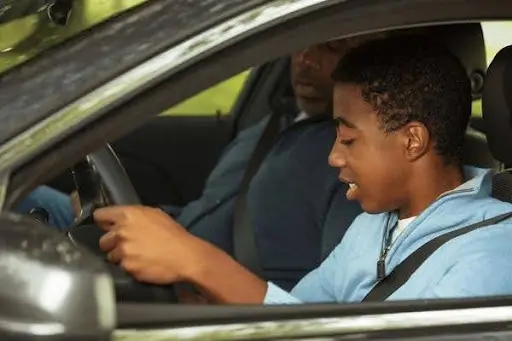
Parents help build safe driving habits in teen drivers by setting clear expectations, leading by example, providing supervised practice, and encouraging responsible decision-making behind the wheel. These efforts help teens gain confidence, reduce risky behaviors, and develop habits that can keep them safe for years to come.
Learning to drive is an exciting milestone, but it also comes with significant responsibility. Teen drivers have less experience recognizing hazards and reacting to unexpected situations, making them more vulnerable to crashes. While some argue that raising the driving age could reduce accidents, many experts believe that consistent parental guidance is one of the most effective ways to help teens become safer drivers.
Lead by Example
Parents are a teen’s first driving role model. Long before a teenager gets behind the wheel, they observe how their parents drive. If they regularly see safe habits like wearing a seat belt, obeying speed limits, using turn signals, and avoiding distractions, they’re more likely to adopt those behaviors themselves.
On the other hand, speeding, aggressive driving, or checking a phone while driving can send the wrong message. Demonstrating safe driving every day is one of the simplest yet most effective teaching tools.
Establish Clear Driving Rules
Before allowing your teen to drive independently, set household rules that are easy to understand and consistently enforced. These might include wearing a seat belt at all times, avoiding cellphone use while driving, obeying speed limits, limiting passengers during the first few months, and never driving after consuming alcohol or drugs.
These expectations not only promote responsible driving but also reinforce laws such as California Vehicle Code § 23124, which prohibits drivers under 18 from using a wireless telephone or electronic wireless communications device while operating a motor vehicle.
Practice in Different Driving Conditions
Driving in an empty parking lot is only the beginning. Teens need experience in a variety of situations to build confidence and improve their decision-making.
Practice driving during daylight and at night, in light and heavy traffic, on highways, and in rainy weather. Exposing teens to different road conditions while an experienced adult is present helps prepare them for real-world driving challenges.
Teach Defensive Driving Skills
Safe drivers don’t just react to hazards—they anticipate them. Parents can help teens develop defensive driving habits by encouraging them to maintain a safe following distance, scan intersections carefully, watch for pedestrians and cyclists, and stay aware of other drivers’ actions.
Teaching teens to expect the unexpected helps them make safer decisions and avoid collisions caused by another driver’s mistakes.
Encourage Honest Conversations
Every new driver makes mistakes. Instead of criticizing every error, create an environment where your teen feels comfortable discussing situations that made them nervous or uncertain.
Talking about close calls, difficult weather conditions, or confusing intersections allows parents to provide guidance without discouraging confidence. These conversations often become valuable learning opportunities that improve future driving decisions.
Limit Distractions Behind the Wheel
Distracted driving remains one of the biggest risks for inexperienced drivers. Encourage teens to silence their phones before starting the car, set their navigation ahead of time, and avoid eating or adjusting music while driving.
Parents should follow these same practices whenever they’re behind the wheel. Consistency reinforces the idea that safe driving isn’t just a rule for teenagers—it’s a lifelong responsibility for everyone.
Continue Coaching After They Get Their License
Receiving a driver’s license doesn’t mean the learning process is over. Continue riding with your teen occasionally and offer constructive feedback after trips.
Ask about situations they encountered, discuss how they handled unexpected events, and praise good decisions. Ongoing support helps reinforce safe habits as teens gain independence and experience.
Key Takeaways
- Parents play a major role in shaping safe driving habits long before teens begin driving independently.
- Leading by example is one of the most effective ways to encourage responsible driving behavior.
- Establish clear household rules about seat belts, speed limits, passengers, and cellphone use.
- Give teens supervised practice in different traffic, weather, and road conditions.
- Encourage defensive driving and open conversations about mistakes and challenging situations.
- Reinforce the importance of avoiding distractions, which is reflected in laws such as California Vehicle Code § 23124 restricting handheld device use by drivers under 18.
- Continued guidance after licensing helps teens become more confident, responsible, and safety-conscious drivers.